Cancel Culture 2.0: Evolving Public Opinion & Its Impact

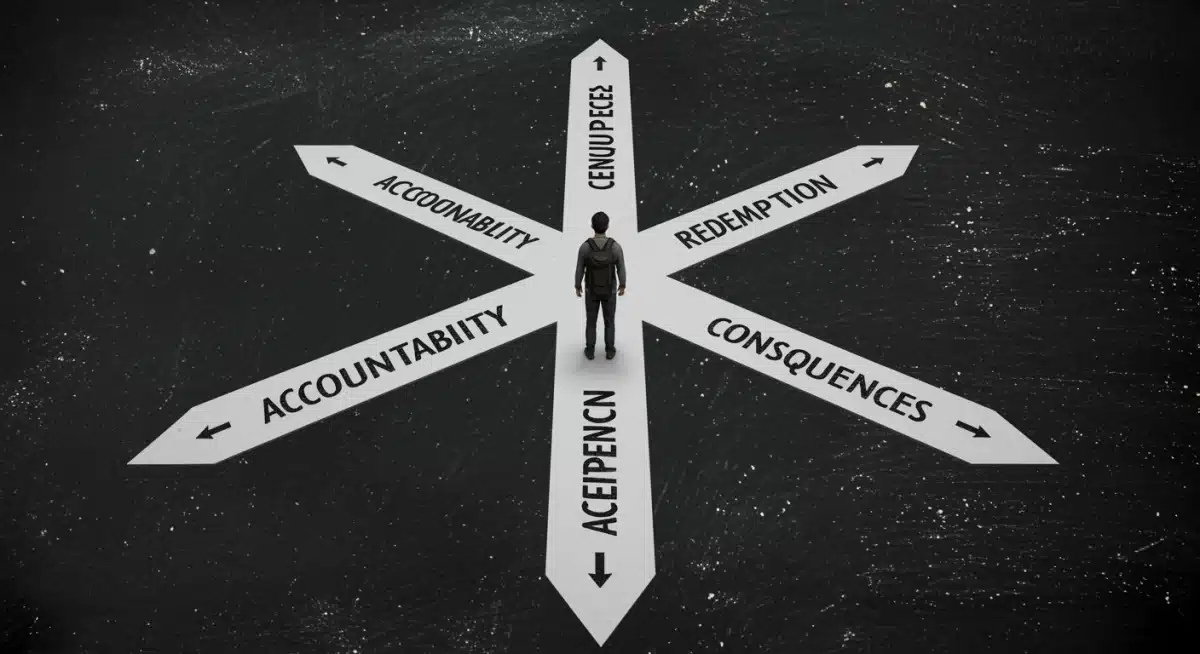
Cancel Culture 2.0 represents a significant evolution in how public opinion shapes accountability, moving from immediate condemnation to a more intricate, often polarized, debate concerning consequences, redemption, and the role of digital platforms.
The phrase “cancel culture” has become a ubiquitous term in contemporary discourse, often evoking strong reactions and endless debates. However, the landscape of digital accountability and public scrutiny is far from static. We are now witnessing the emergence of what many are calling Cancel Culture 2.0: Understanding the Shifting Landscape of Public Opinion, a more nuanced, complex, and sometimes contradictory evolution of its predecessor. This new phase challenges our assumptions about collective judgment, the power of social media, and the very definition of justice in the public square. It’s a phenomenon that demands a closer look, moving beyond simplistic narratives to grasp the intricate forces at play.
The genesis of cancel culture: from call-out to consequences
To truly understand Cancel Culture 2.0, it’s essential to revisit its origins. What began as a grassroots movement, largely fueled by marginalized communities seeking accountability for powerful individuals and institutions, has undergone significant transformation. Initially, call-out culture aimed to highlight problematic behaviors, statements, or actions that often went unaddressed by traditional power structures. This early phase leveraged the democratizing power of social media to give voice to those historically unheard.
The initial wave of cancel culture often resulted in swift, severe consequences, ranging from public apologies to loss of employment or significant reputational damage. While some celebrated this newfound power of collective action, others raised concerns about due process, disproportionate punishment, and the potential for mob mentality. These early debates laid the groundwork for the complexities we see today, as society grappled with the ethical implications of digital justice. The speed at which information, and condemnation, could spread online created a new paradigm for public figures and brands alike.
The power of collective voice
Social media platforms provided an unprecedented arena for individuals to organize and amplify their concerns. This collective voice proved to be a formidable force, capable of challenging long-standing norms and holding powerful entities to account in ways previously unimaginable. It was a digital town square where public sentiment could coalesce rapidly.
- Amplification of marginalized voices
- Rapid dissemination of information
- Increased pressure for corporate accountability
Early criticisms and unintended consequences
However, the nascent stages of cancel culture were not without their critics. Concerns quickly emerged regarding the lack of formal processes, the permanence of digital condemnation, and the potential for context to be lost in the rush to judgment. The line between legitimate criticism and digital pile-on often blurred, leading to calls for greater nuance.
In conclusion, the first iteration of cancel culture, while democratizing accountability, also sowed the seeds of its own evolution by highlighting the need for more structured approaches to public discourse and consequence management. It forced society to confront the power dynamics of digital interaction and the inherent challenges of achieving justice in an instant-response environment.
Defining cancel culture 2.0: beyond immediate condemnation
Cancel Culture 2.0 marks a distinct shift from its predecessor, moving beyond mere condemnation to a more intricate, often protracted, and deeply analytical process. This new phase is characterized by a heightened awareness of the nuances involved, pushing for a deeper understanding of intent, impact, and the possibility of growth. It’s less about an immediate, definitive “cancellation” and more about a prolonged period of public scrutiny, debate, and sometimes, a path towards redemption or re-evaluation.
The current landscape often involves extensive investigations into past actions, a greater emphasis on systemic issues rather than just individual failings, and a more diverse range of outcomes. While some individuals or entities still face severe repercussions, there’s also a growing discussion around restorative justice, education, and the potential for individuals to learn from their mistakes. This doesn’t mean forgiveness is guaranteed, but it does suggest a more complex negotiation of public trust and accountability.
Nuance and context in digital discourse
One of the defining features of Cancel Culture 2.0 is the increased demand for nuance and context. Public audiences are becoming more discerning, often questioning the motives behind a “cancellation” and seeking a more complete picture before rendering judgment. This shift reflects a growing fatigue with simplistic narratives and a desire for more thoughtful engagement with complex issues.
- Emphasis on intent versus impact
- Consideration of systemic factors
- Debates over appropriate consequences
The role of platforms and algorithms
Social media platforms themselves play a crucial role in shaping Cancel Culture 2.0. Algorithms can amplify certain narratives, create echo chambers, and accelerate the spread of information, both accurate and inaccurate. Understanding how these platforms operate is key to comprehending the dynamics of public opinion in this new era. The platforms are no longer just passive conduits; they are active participants in shaping the discourse.
In essence, Cancel Culture 2.0 is a more mature, albeit still fraught, stage of digital accountability. It acknowledges the power of collective action but also strives for a more equitable and thoughtful application of public pressure, recognizing the long-term implications for individuals and society.
The impact of social media and digital platforms
Social media remains the primary battleground for Cancel Culture 2.0, but its role has become even more sophisticated and pervasive. Platforms like X (formerly Twitter), Instagram, TikTok, and even LinkedIn are not just venues for expression; they are dynamic ecosystems that shape narratives, amplify voices, and dictate the pace of public discourse. The sheer volume of information and the speed of its dissemination create an environment where reputations can be built and dismantled in mere hours.
The algorithmic nature of these platforms means that content deemed controversial or emotionally charged often gains greater visibility, inadvertently fueling the rapid spread of “cancel” narratives. This can lead to echo chambers, where individuals are primarily exposed to opinions that reinforce their existing beliefs, making nuanced discussions more challenging. Furthermore, the performative aspect of social media can encourage extreme reactions, as users seek to demonstrate their alignment with prevailing sentiments.
Algorithmic amplification and echo chambers
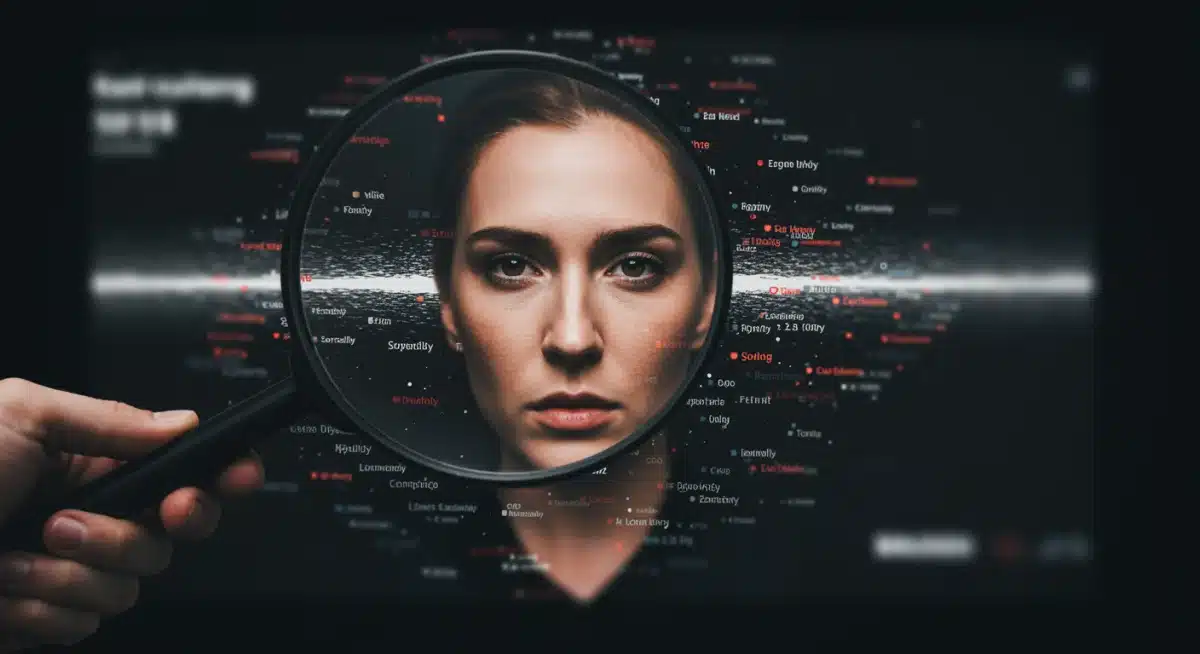
Algorithms are designed to maximize engagement, often prioritizing content that generates strong reactions. This can inadvertently elevate polarizing viewpoints and accelerate the spread of “cancel” narratives, even if they lack full context or accuracy. The result is a landscape where emotionally charged content often overshadows thoughtful deliberation.
- Increased visibility for controversial content
- Reinforcement of existing biases
- Challenges to balanced perspectives
The blurred lines of public and private
In the digital age, the distinction between public and private life has become increasingly blurred. Past comments, private messages, or even personal beliefs can quickly become public fodder, subjected to intense scrutiny. This constant surveillance creates a climate of fear for some, while others argue it’s a necessary consequence for those who operate in the public eye.
Ultimately, social media platforms are double-edged swords in Cancel Culture 2.0. While they empower collective action and provide avenues for accountability, they also present significant challenges in fostering fair and balanced discussions, often accelerating judgment without the benefit of full context or due process.
Redemption, forgiveness, and the path forward
One of the most significant debates within Cancel Culture 2.0 revolves around the possibility of redemption and forgiveness. In its earlier iteration, “cancellation” often felt permanent, leaving little room for individuals to learn, apologize, or rebuild their reputations. However, as public discourse matures, there’s a growing recognition that people can evolve and make amends.
The path to redemption is rarely straightforward and often requires genuine remorse, concrete actions to address harm, and a sustained commitment to change. It’s not simply about issuing a perfunctory apology; it’s about demonstrating a clear understanding of the impact of one’s actions and actively engaging in restorative efforts. This process is often scrutinized heavily by the public, who remain skeptical of insincere gestures.
The spectrum of public response
Public response to attempts at redemption varies widely. Some are quick to embrace the idea of second chances, believing in rehabilitation and growth. Others remain steadfast in their condemnation, arguing that certain actions are unforgivable or that apologies are merely strategic maneuvers. This divergence in public sentiment highlights the complex moral and ethical considerations at play.
- Genuine remorse and actionable change
- Public skepticism versus willingness to forgive
- The role of time and consistency
Restorative justice in the digital age
The principles of restorative justice, traditionally applied in legal contexts, are increasingly being discussed in relation to cancel culture. This approach focuses on repairing harm, involving victims and offenders in the resolution process, and fostering understanding rather than solely imposing punishment. Adapting these principles to the digital realm presents unique challenges but also offers potential pathways for more constructive outcomes.
In conclusion, Cancel Culture 2.0 is slowly, and sometimes reluctantly, exploring the boundaries of redemption and forgiveness. It acknowledges that while accountability is vital, a complete absence of a path forward can be counterproductive, potentially hindering personal growth and societal healing.
Free speech versus accountability: navigating the tension
The tension between free speech and accountability lies at the heart of many debates surrounding Cancel Culture 2.0. Proponents of “cancellation” often argue that free speech does not equate to freedom from consequences, particularly when speech causes harm or propagates misinformation. Conversely, critics frequently raise concerns that cancel culture stifles open dialogue, encourages self-censorship, and punishes dissenting opinions, thereby undermining fundamental principles of free expression.
This ongoing struggle highlights the delicate balance required in a democratic society. While protecting robust debate is crucial, so too is ensuring that individuals and communities are not subjected to harassment, discrimination, or hate speech without recourse. The challenge lies in defining the boundaries of acceptable discourse and determining when speech crosses the line into actionable harm, especially in the rapidly evolving digital landscape where context can be easily lost or manipulated.
The marketplace of ideas and its limitations
The traditional concept of a “marketplace of ideas,” where diverse viewpoints compete and truth ultimately prevails, is challenged by the realities of social media. Algorithms, echo chambers, and the sheer volume of information can distort this marketplace, giving undue prominence to sensationalism or misinformation. This necessitates a re-evaluation of how free speech functions in the digital age.
- Defining harmful speech versus offensive speech
- The impact of misinformation on public discourse
- Balancing individual expression with collective well-being
Corporate and institutional responses
Companies and institutions often find themselves caught in the crossfire between advocates of free speech and demands for accountability. Their responses can significantly shape the trajectory of a “cancellation.” Decisions regarding employment, partnerships, or endorsements are increasingly scrutinized, forcing organizations to navigate complex ethical landscapes while protecting their brand and values. This often leads to difficult choices with far-reaching implications.
In conclusion, the ongoing negotiation between free speech and accountability in Cancel Culture 2.0 is a defining feature of our current societal moment. It requires thoughtful consideration of rights and responsibilities, recognizing that both are essential for a healthy, functioning democracy in the digital era.
The evolving role of public opinion and media literacy
Public opinion, a powerful force in any society, has been dramatically reshaped by the advent of Cancel Culture 2.0. No longer a slow-moving tide, public sentiment can now shift with lightning speed, often influenced by viral content, trending hashtags, and curated narratives. This accelerated dynamic places a premium on media literacy, urging individuals to critically evaluate the information they consume and share.
The current iteration of cancel culture demands that the public become more discerning consumers of media. Understanding the motivations behind a trending story, recognizing logical fallacies, and seeking out diverse perspectives are no longer optional but essential skills for navigating the complex digital landscape. Without these skills, individuals risk becoming unwitting participants in cycles of misinformation or unfair judgment.
Critical evaluation in a noisy world
The sheer volume of information available online makes critical evaluation a challenging but vital task. Distinguishing between credible sources and biased content, identifying opinion disguised as fact, and understanding the context of a particular statement are crucial steps in forming informed opinions. The noise of the internet can easily drown out reasoned discussion.
- Identifying credible sources
- Recognizing bias and propaganda
- Understanding context and nuance
The responsibility of the individual
In Cancel Culture 2.0, the responsibility for thoughtful engagement rests not only with media outlets and public figures but also with individual citizens. Every share, like, and comment contributes to the collective narrative, influencing the trajectory of public opinion. Promoting a culture of empathy, critical thinking, and respectful dialogue is paramount to fostering a more constructive digital environment.
Ultimately, the evolving role of public opinion in Cancel Culture 2.0 underscores the urgent need for enhanced media literacy across all demographics. Empowering individuals with the tools to critically assess information is vital for creating a more informed, equitable, and ultimately, a more just public square.
Looking ahead: the future of digital accountability

As we look to the future, the trajectory of digital accountability, shaped by Cancel Culture 2.0, remains uncertain but undeniably significant. It’s clear that the mechanisms for public scrutiny and collective action are here to stay, but their form and impact will continue to evolve. The ongoing dialogue between proponents of accountability and advocates for due process will likely lead to further refinements in how society addresses problematic behavior in the public sphere.
One potential future direction involves the development of more formalized processes or even independent bodies to mediate disputes and investigate claims, offering a more structured alternative to purely social media-driven judgments. Another possibility is a greater emphasis on education and preventative measures, fostering a culture of empathy and responsibility from an early age, thereby reducing the instances that might lead to “cancellation” in the first place.
Technological innovations and ethical frameworks
Technological advancements, such as AI and blockchain, could play a role in either exacerbating or mitigating the challenges of digital accountability. AI, for example, could be used to detect and flag misinformation, but it also carries the risk of censorship or algorithmic bias. Developing robust ethical frameworks for these technologies will be crucial.
- Potential for AI in content moderation
- Blockchain for verifiable information
- Ethical guidelines for digital platforms
A call for empathy and constructive dialogue
Ultimately, the most productive path forward lies in fostering a greater sense of empathy, mutual understanding, and a commitment to constructive dialogue. Moving beyond punitive reactions to embrace restorative approaches, where possible, could lead to more meaningful outcomes for all involved. This requires a collective effort to shift cultural norms around conflict resolution and public discourse.
In conclusion, the future of digital accountability is not preordained. It will be shaped by the choices we make today regarding technology, ethics, and our collective commitment to fostering a more just and empathetic public sphere. Cancel Culture 2.0 serves as a powerful reminder of the ongoing evolution of societal norms and the profound impact of our digital interactions.
| Key Aspect | Brief Description |
|---|---|
| Evolution from 1.0 | Moves beyond immediate condemnation to nuanced scrutiny, considering intent, impact, and potential for growth. |
| Redemption & Forgiveness | Growing debate on paths to reconciliation, requiring genuine remorse and actionable change, not just apologies. |
| Free Speech vs. Accountability | Navigating the delicate balance between protecting expression and addressing harmful speech, especially online. |
| Media Literacy | Crucial for individuals to critically evaluate information and narratives in the fast-paced digital environment. |
Frequently asked questions about cancel culture 2.0
Cancel Culture 2.0 is characterized by a deeper search for nuance, intent, and context, moving beyond immediate condemnation. It often involves prolonged public scrutiny and discussions around potential paths to redemption, rather than just outright dismissal.
Social media platforms are now more sophisticated, with algorithms amplifying certain narratives and creating echo chambers. They act as dynamic ecosystems that not only spread information rapidly but also influence the depth and direction of public discourse, making media literacy crucial.
Yes, while not guaranteed, Cancel Culture 2.0 increasingly discusses redemption. It typically requires genuine remorse, concrete actions to repair harm, and a sustained commitment to change, often scrutinized by a skeptical public before acceptance.
There’s a constant tension between free speech and accountability. While free speech is protected, it doesn’t shield individuals from consequences for harmful actions or speech. The debate focuses on defining boundaries and ensuring fair processes without stifling open dialogue.
Media literacy is paramount. Individuals need to critically evaluate information, identify bias, and understand context to navigate complex narratives. This helps prevent misinformation and fosters a more informed, equitable public discourse, reducing participation in unfair judgments.
Conclusion
The evolution of cancel culture into its 2.0 iteration signifies a profound shift in how society grapples with accountability, public opinion, and the digital sphere. It’s a landscape marked by increased complexity, demanding greater nuance in our judgments and a deeper understanding of the interplay between free speech, consequences, and the potential for growth. As digital platforms continue to shape our interactions, fostering media literacy, promoting empathy, and seeking constructive dialogue will be essential. This ongoing evolution challenges us to redefine justice in an interconnected world, moving towards a future where accountability is balanced with opportunities for learning and, where appropriate, redemption.