American Art Museums: Discovering Renowned Collections and Contemporary Exhibitions
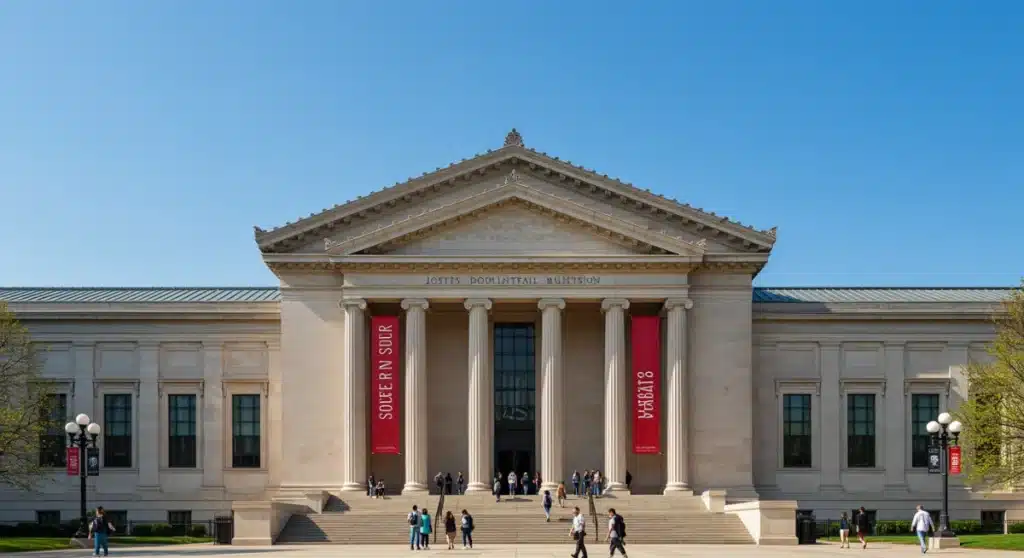
American art museums are vital cultural institutions that house and exhibit an extraordinary array of artistic endeavors, ranging from ancient artifacts to avant-garde contemporary works, providing invaluable educational and inspirational experiences for millions.
Stepping into an American art museum is often like entering a different world, a sanctuary where history, creativity, and human expression converge. These institutions are not just buildings filled with art; they are dynamic centers of learning, research, and community engagement. From the venerable halls of the Metropolitan Museum of Art in New York to the innovative spaces of the Broad in Los Angeles, American art museums offer an unparalleled opportunity to discover renowned collections and engage with groundbreaking contemporary exhibitions. They serve as crucial custodians of our shared cultural heritage, continually evolving to reflect the diverse and ever-changing landscape of artistic creation.
The enduring legacy of American art institutions
The history of art museums in America is a rich tapestry woven with philanthropy, civic ambition, and a profound belief in the power of art to uplift and educate. Early institutions, often founded in the late 19th and early 20th centuries, sought to emulate European models, building vast collections of classical, European, and ancient art. These foundational institutions laid the groundwork for what would become a sprawling network of museums, each with its unique character and specialization. Their enduring legacy lies not only in the masterpieces they preserve but also in their continuous efforts to broaden access to art and foster critical dialogue.
Over time, American art museums began to champion American artists and movements, recognizing the distinct voice of a nation finding its artistic identity. This shift led to the development of specialized collections focusing on American painting, sculpture, and decorative arts, providing a comprehensive narrative of the country’s artistic evolution. Today, these institutions continue to balance the preservation of historical works with the presentation of new and challenging contemporary art, ensuring their relevance to current generations.
Pioneering American museums
- The Metropolitan Museum of Art (The Met), New York: A global icon with an encyclopedic collection spanning 5,000 years of art.
- Museum of Fine Arts, Boston: Renowned for its Egyptian collection and significant holdings of American art.
- Art Institute of Chicago: Famous for its Impressionist and Post-Impressionist works, as well as American art.
These pioneering institutions set the standard for museum practice, influencing subsequent generations of cultural organizations across the nation. Their commitment to scholarship, conservation, and public engagement has shaped the very definition of what an art museum can be in the United States. They are not merely repositories but active participants in the cultural life of their cities and the nation.
The legacy of these early institutions is evident in their ongoing commitment to education and accessibility. They offer a wide range of programs, from guided tours and lectures to workshops and online resources, designed to engage visitors of all ages and backgrounds. This dedication to public service ensures that art remains accessible and meaningful to a broad audience, reinforcing the museums’ role as vital community assets.
Exploring renowned collections across the nation
America’s art museums boast an astonishing diversity of collections, each offering a unique lens through which to view human creativity. From ancient civilizations to modern masterpieces, the breadth of art available for public viewing is truly remarkable. Visitors can immerse themselves in the classical grandeur of European painting, the intricate details of Asian ceramics, or the vibrant expressions of African sculpture.
Many museums have cultivated highly specialized collections that distinguish them on the national and international stage. For instance, the Isabella Stewart Gardner Museum in Boston offers a deeply personal and idiosyncratic collection housed in a Venetian-style palazzo, while the Barnes Foundation in Philadelphia is famous for its unparalleled post-impressionist and early modern art, presented according to Dr. Albert C. Barnes’s unique aesthetic arrangements. These specialized approaches provide depth and focus, allowing for a more intimate and detailed exploration of particular artistic periods or cultural traditions.
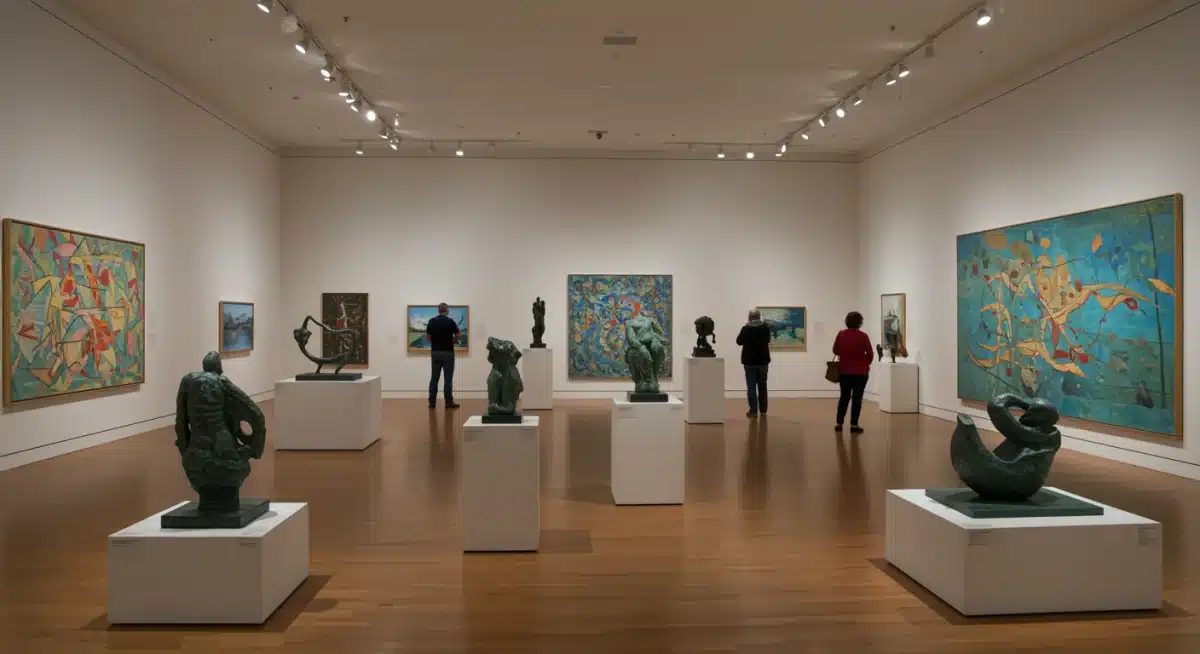
Beyond the major encyclopedic institutions, countless regional and university museums hold significant collections, often reflecting the specific cultural heritage or artistic interests of their communities. These smaller institutions play a crucial role in making art accessible beyond major urban centers, fostering local talent, and preserving regional artistic traditions. Each museum, regardless of size, contributes to the rich tapestry of American art appreciation.
Highlights of diverse collections
- Modern and Contemporary Art: MoMA (New York), SFMOMA (San Francisco), The Broad (Los Angeles).
- American Art: National Gallery of Art (Washington, D.C.), Whitney Museum of American Art (New York).
- Ancient and Classical Art: The Art Institute of Chicago, The Metropolitan Museum of Art.
These collections are not static; they are constantly growing and evolving through acquisitions, donations, and ongoing research. Curators and scholars work tirelessly to contextualize these works, uncovering new narratives and perspectives that enrich our understanding of art history. The dynamic nature of these collections ensures that there is always something new to discover, even for frequent visitors.
The careful curation and presentation of these diverse collections are central to the museum experience. Every choice, from lighting to wall color, is made to enhance the viewer’s engagement with the art. The meticulous work behind the scenes ensures that each piece is preserved for future generations, while also being presented in a way that sparks curiosity and inspires contemplation in the present.
The rise of contemporary exhibitions
In recent decades, contemporary art has taken center stage in many American art museums, reflecting a broader societal interest in current artistic expressions and dialogues. Contemporary exhibitions often challenge traditional notions of art, pushing boundaries and exploring themes relevant to our modern world. These exhibitions are characterized by their innovative approaches, diverse media, and often-provocative content, engaging visitors in new and exciting ways.
Museums dedicated solely to contemporary art, such as the Museum of Modern Art (MoMA) in New York or the Museum of Contemporary Art (MOCA) in Los Angeles, serve as vital platforms for emerging artists and experimental works. These institutions are at the forefront of defining what art means today, often showcasing pieces that are still being created or works that respond directly to recent social, political, or technological shifts. They provide a space for critical inquiry and open discussion about the role of art in society.
Even traditional encyclopedic museums have embraced contemporary art, integrating it into their historical narratives or dedicating specific wings and galleries to modern and contemporary works. This integration often creates interesting dialogues between past and present, allowing visitors to trace artistic evolutions and recognize enduring human themes across different eras. The juxtaposition of old and new can be particularly illuminating, highlighting both continuity and rupture in artistic practice.
Key trends in contemporary exhibitions
- Interactivity and immersive experiences: Utilizing technology to engage viewers.
- Social and political commentary: Art addressing urgent global issues.
- Cross-disciplinary collaborations: Blending art with science, technology, or performance.
The emphasis on contemporary exhibitions reflects a desire to keep museums relevant and engaging for new audiences. By showcasing art that speaks to current experiences and concerns, museums can connect with a broader demographic and foster a deeper appreciation for the role of art in understanding our complex world. These exhibitions often spark lively discussions and encourage visitors to think critically about their own perspectives.
Furthermore, contemporary exhibitions frequently involve artists directly in the curatorial process, leading to site-specific installations and unique presentations that transform museum spaces. This dynamic collaboration between artists and institutions ensures that the exhibitions are not just displays of finished works but living, evolving experiences that invite participation and reflection. The fluidity of contemporary art allows for constant reinvention and fresh perspectives.
Educational outreach and community engagement
Beyond their role as custodians of art, American art museums are deeply committed to education and community engagement. They serve as invaluable resources for schools, universities, and the general public, offering a wide array of programs designed to foster art appreciation, critical thinking, and creative expression. These initiatives extend the museum’s reach far beyond its physical walls, making art accessible to diverse audiences.
Many museums have dedicated education departments that develop curricula for students of all ages, linking art to subjects ranging from history and literature to science and mathematics. School tours, workshops, and artist residencies provide hands-on experiences that bring art to life, encouraging young people to explore their own creativity and develop a lifelong interest in the arts. These programs are often tailored to meet specific educational standards, making museums vital partners in formal education.
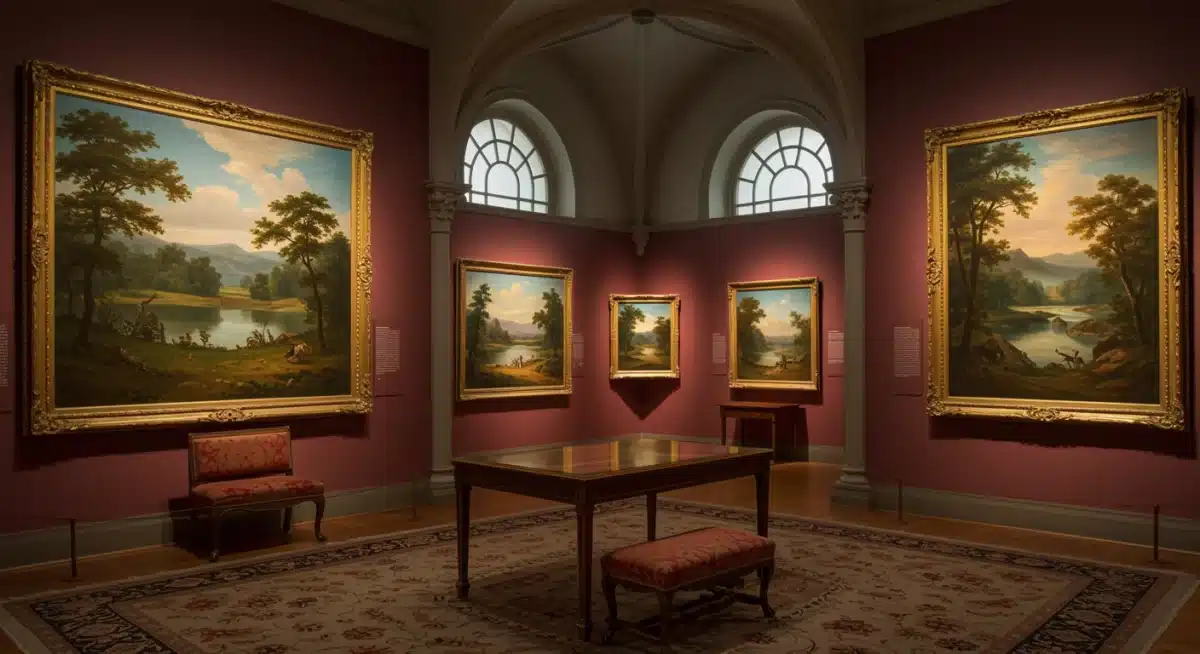
Community engagement initiatives often involve partnerships with local organizations, offering free admission days, specialized outreach programs for underserved communities, and events that celebrate cultural diversity. These efforts aim to break down barriers to access, ensuring that everyone has the opportunity to experience the transformative power of art. Museums are increasingly seen as civic spaces, fostering dialogue and strengthening community bonds.
Impactful educational programs
- Docent-led tours: Providing expert insights and facilitating discussion.
- Art classes and workshops: Hands-on creative learning for all ages.
- Digital resources and virtual tours: Expanding access globally.
The digital revolution has further amplified museums’ educational reach, with many institutions offering extensive online collections, virtual exhibitions, and educational videos. These digital platforms allow individuals to explore art from anywhere in the world, fostering a global community of art lovers and learners. The commitment to digital accessibility ensures that the museum’s resources are available to an even wider audience.
Ultimately, the educational and community engagement efforts of American art museums underscore their role as more than just repositories of objects. They are active participants in shaping intellectual curiosity and fostering social cohesion. By making art accessible and relevant, museums empower individuals to connect with human creativity and understand diverse cultures, enriching the fabric of society.
The economic and cultural impact of art museums
Beyond their aesthetic and educational contributions, American art museums wield significant economic and cultural influence. They are major employers, supporting a wide range of professionals from curators and conservators to educators and security staff. Their operations generate substantial economic activity, contributing to local economies through tourism, retail, and hospitality sectors.
Museums are often anchors in urban revitalization efforts, attracting visitors to neighborhoods and stimulating investment in surrounding areas. The presence of a world-class art museum can significantly enhance a city’s reputation, drawing both domestic and international tourists who contribute to the local economy. These institutions are integral to the cultural identity and branding of many American cities, making them desirable places to live and visit.
Culturally, museums play a critical role in preserving human heritage and fostering a sense of collective identity. They provide spaces for reflection, inspiration, and dialogue, contributing to the intellectual and emotional well-being of individuals and communities. By showcasing diverse artistic traditions, they promote cross-cultural understanding and celebrate the richness of human experience, reinforcing the importance of cultural diplomacy.
Economic and cultural benefits
- Job creation: Direct and indirect employment across various sectors.
- Tourism revenue: Attracting visitors, boosting local businesses.
- Cultural preservation: Safeguarding artifacts and artistic traditions.
The economic impact of museums extends to related industries, such as art restoration, publishing, and specialized transport. The ecosystem surrounding art institutions is robust, creating a ripple effect of economic benefits. This intricate network demonstrates how cultural institutions are deeply intertwined with broader economic prosperity.
Furthermore, museums serve as vital forums for public discourse, hosting lectures, debates, and performances that address contemporary issues through an artistic lens. They are places where ideas are exchanged, perspectives are challenged, and new understandings are forged. This active role in public life underscores their importance not just as cultural landmarks, but as essential components of a vibrant, democratic society.
Challenges and future directions for American art museums
Despite their significant contributions, American art museums face a complex array of challenges in the 21st century. Funding remains a perennial concern, with institutions constantly seeking new revenue streams and philanthropic support to maintain operations, acquire new works, and expand programming. The financial sustainability of many museums relies heavily on a delicate balance of endowments, donations, membership fees, and ticket sales.
Another pressing challenge is the ongoing discussion around diversity, equity, inclusion, and accessibility (DEIA). Museums are increasingly being called upon to address historical biases in their collections, curatorial practices, and staffing. This involves actively seeking to represent a broader range of voices, cultures, and perspectives, and ensuring that museum spaces are welcoming and accessible to all members of society. This commitment to DEIA is vital for maintaining relevance and fostering true community engagement.
Technological advancements also present both opportunities and challenges. While digital platforms offer unprecedented ways to engage with art, they also require significant investment in infrastructure and expertise. Museums must adapt to changing visitor expectations, integrating technology in ways that enhance the physical experience without overshadowing the art itself. The future success of museums hinges on their ability to innovate and respond to these evolving demands.
Future trends and adaptations
- Digital transformation: Enhanced online presence and virtual experiences.
- Focus on DEIA: Diversifying collections, staff, and programming.
- Sustainability initiatives: Eco-friendly operations and practices.
The conversation around repatriation of cultural artifacts also continues to shape museum policies and practices. Institutions are grappling with ethical considerations regarding the provenance of certain objects, leading to ongoing dialogues with source communities and nations. This complex issue requires careful consideration and a commitment to historical justice, redefining the role of museums as global citizens.
Looking ahead, American art museums are poised to continue their evolution as dynamic cultural hubs. By embracing innovation, prioritizing inclusivity, and adapting to changing societal needs, they will remain indispensable institutions for discovering, learning, and connecting with the profound power of art. Their ability to navigate these challenges will determine their impact for generations to come, ensuring their place at the heart of American cultural life.
| Key Aspect | Brief Description |
|---|---|
| Renowned Collections | Museums house vast and diverse art collections, from ancient to modern, reflecting global cultures and American artistic heritage. |
| Contemporary Exhibitions | Modern art shows push boundaries, engage with current issues, and feature interactive, immersive experiences. |
| Educational Outreach | Extensive programs for all ages, promoting art appreciation, critical thinking, and community engagement. |
| Economic Impact | Significant contributors to local economies through tourism, job creation, and urban revitalization. |
Frequently Asked Questions About American Art Museums
American art museums offer an incredibly diverse range of art, from ancient Egyptian artifacts and classical European paintings to modern American masterpieces and cutting-edge contemporary installations. Many institutions also feature significant collections of Asian, African, and Indigenous art, providing a global perspective on human creativity and cultural heritage.
Many American art museums actively support local artists through dedicated exhibitions, acquisition programs, and artist residency opportunities. They also often host regional art fairs, workshops, and community events that provide platforms for local talent to showcase their work and connect with broader audiences, fostering a vibrant local art scene.
American art museums are increasingly committed to accessibility. Many offer free admission days, reduced rates, and specialized programs for diverse communities. Physical accessibility for visitors with disabilities is also a priority, with efforts to ensure ramps, elevators, and accessible restrooms are available. Digital resources further enhance accessibility for those unable to visit in person.
Contemporary exhibitions play a crucial role in American art museums by showcasing current artistic trends, engaging with relevant societal issues, and pushing creative boundaries. They provide platforms for emerging and established artists to present new works, fostering dialogue and encouraging critical thinking about the evolving nature of art and its place in our modern world.
To maximize your museum visit, consider checking the museum’s website for current exhibitions and planning your route beforehand. Take advantage of guided tours, audio guides, and educational materials. Don’t try to see everything; focus on a few areas that genuinely interest you to avoid fatigue. Allow time for reflection and consider visiting during off-peak hours for a more intimate experience.
Conclusion
American art museums stand as pillars of culture, education, and community, continually enriching the lives of millions. From their historic origins to their vibrant contemporary expressions, these institutions offer a panoramic view of human creativity and ingenuity. They are not merely static repositories but dynamic spaces where past and present converge, fostering dialogue, inspiring new perspectives, and preserving the artistic legacy for future generations. As they navigate the complexities of the 21st century, their commitment to accessibility, diversity, and innovation ensures their enduring relevance and vital role in the cultural landscape of the United States.