Grocery Delivery Side Hustle: Earn $1,000+ Monthly
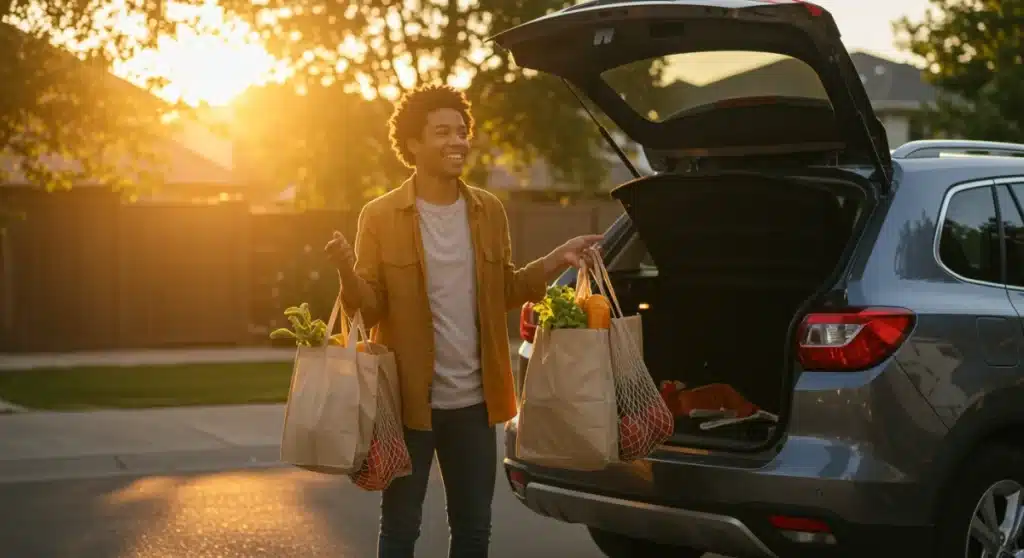
Grocery delivery side hustles offer a flexible route to earn significant income, with many drivers achieving over $1,000 monthly by strategically using platforms like Instacart and DoorDash.
Are you looking for a flexible way to boost your income without committing to a traditional part-time job? Discover the world of grocery delivery side hustle opportunities that can help you earn over $1,000 per month in your spare time. This comprehensive guide will reveal the strategies and insights you need to succeed in the rapidly growing gig economy.
Understanding the Grocery Delivery Landscape
The rise of on-demand services has transformed how people shop, making grocery delivery a prominent and accessible side hustle. This sector offers unparalleled flexibility, allowing individuals to work on their own terms, fitting deliveries around existing commitments, or simply maximizing their free hours for extra income. Understanding the key players and their operational models is crucial for anyone looking to enter this dynamic field.
Many platforms operate nationwide, connecting shoppers with customers who need groceries brought directly to their door. This convenience for customers translates into a steady demand for reliable drivers, creating a fertile ground for those seeking to earn money on the side. The appeal lies not just in the earnings potential, but also in the autonomy it provides.
Key Delivery Platforms
Several major platforms dominate the grocery delivery market, each with its own unique features and earning structures. Choosing the right platform, or even a combination of platforms, can significantly impact your potential earnings and overall experience.
- Instacart: One of the largest players, Instacart offers both full-service shopping (picking and delivering) and delivery-only options. It’s known for its broad reach and frequent order availability.
- DoorDash (DashMart/Grocery): While primarily known for restaurant food delivery, DoorDash has expanded significantly into groceries. Its extensive network means more opportunities, especially in urban and suburban areas.
- Shipt: Similar to Instacart, Shipt focuses on personalized shopping and delivery. It often emphasizes customer service and building relationships with repeat customers.
- Amazon Fresh/Whole Foods: For those in areas served by Amazon, delivering for Amazon Fresh or Whole Foods can be a lucrative option, often offering consistent work and competitive pay.
Each platform has different requirements for vehicles, background checks, and payment schedules. Researching these specifics for your local area is a vital first step to ensure you meet their criteria and can optimize your potential earnings. Many drivers find success by signing up for multiple apps, allowing them to cherry-pick the most profitable orders.
Setting Up for Success: Essential Tools and Preparation
Embarking on a grocery delivery side hustle requires more than just a car and a smartphone. Proper preparation and having the right tools can drastically improve your efficiency, customer satisfaction, and ultimately, your earnings. Think of yourself as a small business owner; investing a little upfront can yield significant returns.
Before you even accept your first order, consider the practical aspects of the job. From vehicle maintenance to essential supplies, being well-prepared will save you time, reduce stress, and ensure a smoother delivery experience for both you and your customers.
Vehicle Readiness and Maintenance
Your vehicle is your primary asset in this endeavor. Keeping it in excellent condition is paramount for reliability and safety.
- Regular Maintenance: Ensure your oil changes are up to date, tires are properly inflated, and brakes are in good working order. Unexpected breakdowns can cost you orders and valuable time.
- Fuel Efficiency: Consider the fuel efficiency of your car. While you can’t change your vehicle overnight, understanding its MPG will help you calculate actual profit per delivery.
- Cleanliness: A clean car, both inside and out, reflects professionalism. Customers may see your vehicle, and a tidy appearance leaves a positive impression.
Beyond your car, a reliable smartphone with a robust data plan is non-negotiable. You’ll be constantly using GPS, communicating with customers, and managing orders through the apps. A portable charger or car charger is also a must-have to avoid running out of battery mid-delivery.
Essential Delivery Supplies
Having the right gear can make deliveries easier and ensure groceries arrive in perfect condition, especially perishables. These small investments pay off in increased efficiency and better tips.
Insulated bags are critical for maintaining food temperatures, whether it’s frozen items or hot prepared foods. Large, sturdy bags also help organize groceries and prevent damage during transit. A hand truck or foldable cart can be a lifesaver for large orders, especially those going up stairs or to apartments. Finally, a first-aid kit, jumper cables, and a spare tire are smart safety precautions for any driver.
Maximizing Your Earnings: Strategies for $1,000+ Monthly
Earning a significant income, like over $1,000 per month, with a grocery delivery side hustle isn’t just about logging many hours. It requires strategic thinking, efficiency, and a keen understanding of how the apps and customers operate. By implementing smart practices, you can significantly boost your hourly rate and overall monthly earnings.
The key lies in optimizing every aspect of your delivery process, from accepting orders to the final drop-off. This includes understanding peak hours, choosing profitable orders, and providing exceptional customer service that encourages higher tips.
Strategic Order Selection
Not all orders are created equal. Learning to quickly assess an order’s potential profitability is a crucial skill. Look at the estimated payout, the number of items, and the distance to both the store and the customer.
- Batch Orders: Many platforms offer batch orders, allowing you to deliver to multiple customers from the same store or nearby stores. These can be highly efficient, but ensure you can manage the increased complexity.
- High-Value Items: Orders with a higher total grocery bill often lead to higher tips, as tips are frequently a percentage of the order total.
- Short Distances: Prioritize shorter delivery distances to minimize fuel costs and maximize the number of deliveries you can complete per hour.
Avoid orders that seem excessively complicated or involve very long distances for a low payout. Your time is money, and making smart choices about which orders to accept directly impacts your bottom line. It’s often better to wait a few extra minutes for a better order than to accept a low-paying one out of impatience.
Timing and Location Optimization
Understanding when and where demand is highest is fundamental to maximizing your earnings. Deliver during peak hours and position yourself in high-demand areas.
Evenings, weekends, and holidays are typically the busiest times for grocery delivery. Lunch and dinner rushes can also see increased demand. Experiment with different times to identify your local peak periods. Furthermore, positioning yourself near busy grocery stores or affluent neighborhoods can increase your chances of receiving higher-paying orders with better tipping potential. Some apps even offer ‘hot spots’ that indicate areas with high demand.
Providing Exceptional Customer Service for Better Tips
While the base pay for deliveries is important, a significant portion of your income often comes from customer tips. Exceptional customer service isn’t just about being polite; it’s about going the extra mile to ensure a positive experience, which directly translates into better tips and positive ratings.
Customers appreciate a thoughtful and efficient delivery person. Small gestures can make a big difference and distinguish you from other drivers on the platform.
Communication is Key
Proactive and clear communication can prevent issues and enhance the customer experience. Keep customers informed about their order status, especially if there are any delays or substitutions.
- Greetings: Send a friendly greeting when you start shopping or are en route to the store.
- Substitutions: If an item is out of stock, offer clear substitution options rather than just making a unilateral decision. Provide alternatives and wait for their approval.
- Updates: Notify the customer if you’re running a few minutes late or are stuck in traffic. Transparency builds trust.
A quick text message or in-app notification can go a long way in managing customer expectations and showing that you care about their order. Being responsive to their messages and questions also demonstrates professionalism and attentiveness.
Attention to Detail and Professionalism
Beyond communication, the actual delivery process offers many opportunities to impress customers. Paying attention to small details can significantly boost your tip potential.
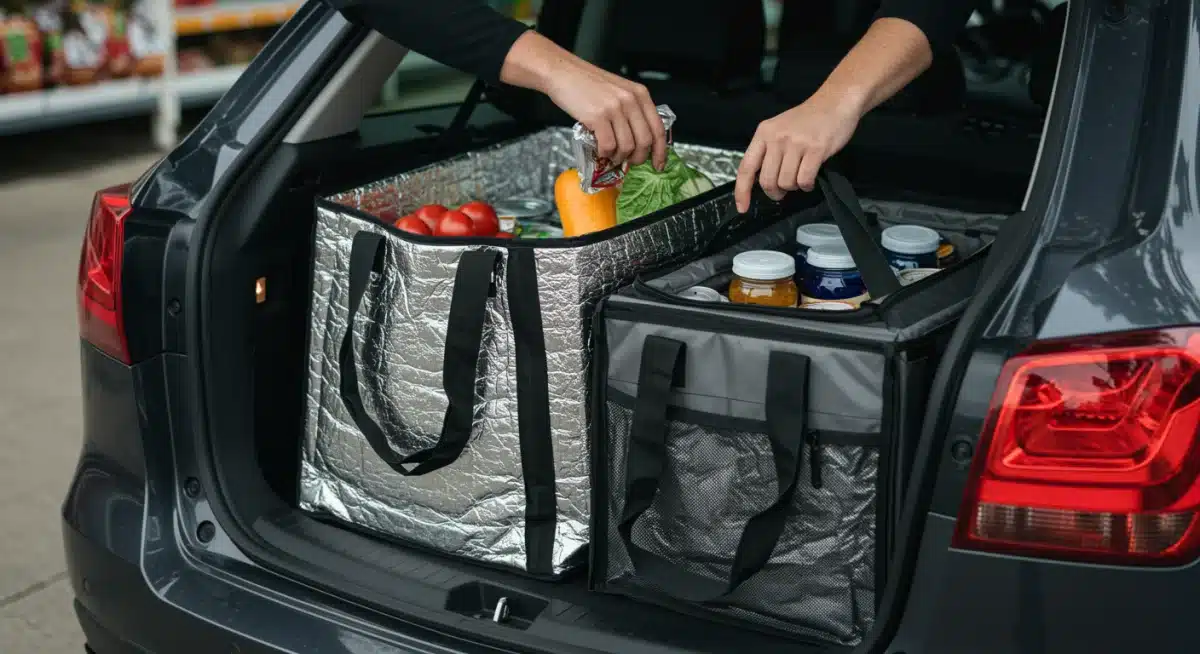
Carefully selecting produce, checking expiration dates, and packaging groceries neatly are all part of a professional delivery. Separate cold and hot items, and ensure fragile goods are protected. When delivering, be courteous, follow specific delivery instructions (e.g., leaving groceries by the back door), and always double-check that you’re at the correct address. A polite demeanor and a friendly attitude, even during brief interactions, leave a lasting positive impression. These actions reinforce the customer’s positive experience, making them more likely to tip generously and provide a high rating.
Managing Finances and Tracking Your Income
Once you’re earning money through your grocery delivery side hustle, it’s crucial to manage your finances effectively. As an independent contractor, you’re responsible for tracking your income, expenses, and taxes. Proper financial management ensures you understand your true profit and avoid any surprises come tax season.
Treating your side hustle like a small business from a financial perspective is key to its long-term success and sustainability. This includes diligent record-keeping and planning for future financial obligations.
Tracking Income and Expenses
Accurate record-keeping is essential for understanding your profitability and for tax purposes. Keep a detailed log of all your earnings and, more importantly, your expenses.
- Earnings Records: Most apps provide a summary of your earnings, but it’s wise to cross-reference these with your own records.
- Mileage Tracking: This is arguably the most important expense to track. Every mile driven for your side hustle (to the store, to the customer, back home) is a deductible expense. Use a mileage tracking app or keep a manual log.
- Other Expenses: Don’t forget other deductions like insulated bags, phone mounts, data plan costs (a percentage), and even vehicle depreciation.
Many free or low-cost apps can help you categorize expenses and track mileage automatically. Consistency in tracking will save you a lot of headaches later on. Understanding your net income after all expenses gives you a clear picture of your actual hourly wage.
Tax Implications for Gig Workers
As an independent contractor, you are typically responsible for paying self-employment taxes, which include Social Security and Medicare taxes, in addition to income tax. This means setting aside a portion of your earnings throughout the year.
It’s generally recommended to set aside 25-30% of your earnings for taxes. Making estimated quarterly tax payments can help you avoid penalties at the end of the year. If your earnings exceed a certain threshold, you’ll receive a 1099-NEC form from the delivery platforms. Consulting with a tax professional who specializes in gig economy income can provide personalized advice and ensure you’re taking advantage of all eligible deductions.
Navigating Challenges and Staying Motivated
Like any side hustle, grocery delivery comes with its own set of challenges. From fluctuating demand to difficult customers, there will be days that test your patience. However, understanding these potential hurdles and developing strategies to overcome them can help you stay motivated and maintain your earning potential.
The key is to approach these challenges with a problem-solving mindset and to remember your overall financial goals. Resilience and adaptability are valuable traits in the gig economy.
Dealing with Difficult Situations
Not every delivery will be smooth sailing. You might encounter out-of-stock items, unresponsive customers, or even challenging delivery locations. How you handle these situations can impact your ratings and overall experience.
- Out-of-Stock Items: Always communicate with the customer about substitutions. If they are unresponsive, use your best judgment for a reasonable replacement or mark the item as unavailable.
- Unresponsive Customers: Follow the app’s protocol for unresponsive customers. This usually involves a timer before you can proceed without their input or cancel the order.
- Delivery Issues: If you can’t find an address or gain access to a building, contact the customer immediately. If still unsuccessful, contact support.
Maintaining a calm and professional demeanor, even when frustrated, is crucial. Remember that the platform’s support team is there to assist you with issues that are beyond your control. Documenting interactions can also be helpful if a dispute arises.
Maintaining Motivation and Avoiding Burnout
The flexibility of a grocery delivery side hustle is a double-edged sword; it’s easy to overwork yourself when chasing higher earnings. Preventing burnout is vital for long-term consistency.
Set realistic goals for your earnings and work hours. Take regular breaks and don’t be afraid to take days off. Vary your schedule to avoid monotony. Listen to podcasts or audiobooks while driving to make the time pass more enjoyably. Connecting with other drivers in online forums can also provide a sense of community and shared experience, offering tips and moral support. Remember why you started this side hustle – whether it’s for extra savings, debt repayment, or a specific purchase – and let that goal fuel your motivation.
The Future of Grocery Delivery and Your Role

The grocery delivery industry is still evolving rapidly, driven by technological advancements and changing consumer habits. As a gig worker in this space, staying informed about these trends can help you adapt and continue to thrive. The demand for convenience is unlikely to wane, ensuring a continued need for dedicated delivery drivers.
New technologies, such as improved routing algorithms and even autonomous delivery solutions, will undoubtedly shape the future. However, the human element of personalized service and problem-solving remains invaluable, securing the role of drivers for the foreseeable future.
Evolving Consumer Expectations
Customers increasingly expect faster deliveries, wider product selections, and seamless experiences. Platforms are constantly innovating to meet these demands, often introducing new features or expanding their service areas. As a driver, being adaptable to these changes, whether it’s learning a new app feature or understanding a new delivery protocol, will keep you competitive.
The focus on sustainability is also growing, with many customers preferring eco-friendly delivery options. While individual drivers might have limited direct influence, understanding these preferences can inform your approach, such as using reusable bags or consolidating trips when possible. Staying attuned to these shifts ensures you remain a valuable part of the delivery ecosystem.
Long-Term Opportunities and Growth
A grocery delivery side hustle can be more than just a temporary way to earn extra cash; it can be a stepping stone. The skills you develop – time management, customer service, navigation, and problem-solving – are transferable to many other fields. Some drivers even transition into supervisory roles within these companies or leverage their experience to start their own local delivery services.
The gig economy fosters entrepreneurship. By consistently delivering excellent service and managing your finances wisely, you’re not just earning money; you’re building a reputation and gaining valuable experience that could open doors to further opportunities down the line. The flexibility and earning potential make it a compelling avenue for anyone looking to take control of their income and professional development.
| Key Point | Brief Description |
|---|---|
| Platform Selection | Choose between Instacart, DoorDash, Shipt, or Amazon Fresh based on local demand and earning potential. |
| Optimize Deliveries | Focus on peak hours, high-demand areas, and strategically select profitable batch orders. |
| Customer Service | Proactive communication and attention to detail lead to higher tips and better ratings. |
| Financial Management | Track income, mileage, and expenses diligently for tax purposes and true profit assessment. |
Frequently Asked Questions About Grocery Delivery Side Hustles
Earnings vary based on location, hours worked, and strategy, but many drivers consistently earn $1,000 or more per month. Strategic order selection, working during peak hours, and providing excellent customer service are key factors in maximizing your income.
Generally, you need to be at least 18 years old (some platforms require 21), have a valid driver’s license, proof of insurance, a reliable vehicle, and a smartphone. A clean background check is also a standard requirement across most platforms.
Yes, signing up for multiple apps like Instacart, DoorDash, and Shipt can significantly increase your earning potential. This allows you to cherry-pick the most profitable orders, minimize downtime between deliveries, and capitalize on demand fluctuations across different platforms.
As an independent contractor, you’re responsible for self-employment taxes. Track all income and expenses, especially mileage, as these are deductible. It’s advisable to set aside 25-30% of your earnings for taxes and consider making quarterly estimated tax payments to avoid penalties.
Excellent customer service is paramount. This includes proactive communication about substitutions, careful handling of groceries, timely deliveries, and a friendly, professional attitude. Going the extra mile and paying attention to detail consistently leads to better tips and positive ratings.
Conclusion
Embarking on a grocery delivery side hustle presents a genuinely viable path to earning a substantial income, potentially exceeding $1,000 per month, all while enjoying the flexibility of setting your own hours. Success in this thriving gig economy sector hinges on a combination of strategic platform selection, efficient delivery practices, and a steadfast commitment to exceptional customer service. By meticulously managing your finances, understanding tax obligations, and proactively addressing challenges, you can transform spare time into a robust and rewarding revenue stream. The demand for convenient grocery delivery continues to grow, ensuring that this side hustle remains a relevant and profitable opportunity for those willing to invest the effort.