Facebook News Feed Algorithm: What You See (and Don’t)

The Facebook News Feed algorithm continuously adapts, dictating the content users see and don’t see, thereby significantly influencing individual perceptions and the broader information landscape.
Have you ever wondered why certain posts appear prominently in your feed, while others seem to vanish? The answer lies Inside the Algorithm: How Facebook’s News Feed Changes Are Impacting What You See (and Don’t See). Understanding this complex system is crucial for anyone navigating the modern digital landscape.
The Algorithmic Evolution: A Shifting Digital Landscape
The Facebook News Feed algorithm is not a static entity; it’s a constantly evolving system designed to deliver what it perceives as the most relevant and engaging content to each individual user. This evolution has profound implications for how we consume information, interact with friends and family, and even perceive global events.
Initially, Facebook’s News Feed was a simple chronological stream. However, as the platform grew, the sheer volume of content made a purely chronological display impractical. The introduction of algorithmic sorting was an attempt to manage this information overload, prioritizing content that Facebook believed users would find most valuable. This shift marked a fundamental change in how information reached us, moving from a self-curated experience to one heavily influenced by artificial intelligence.
From Chronological to Curated: The Early Days
In its nascent stages, the News Feed was straightforward: posts appeared in the order they were published. This provided a raw, unfiltered view of your connections’ activities. However, as Facebook’s user base exploded and the average number of friends grew, this became unsustainable. Users were missing important updates simply because too much content was being generated.
- Initial chronological feed: Simple, but quickly overwhelmed.
- Introduction of first algorithms: Aimed to surface ‘important’ content.
- Focus on user engagement: Early metrics centered on likes and comments.
The transition from a chronological feed to an algorithmic one was a response to the growing challenge of information overload. Facebook recognized that to keep users engaged, it needed to present them with content they were most likely to interact with. This foundational change laid the groundwork for the sophisticated algorithms we see today, setting a precedent for how social media platforms would curate our digital experiences.
Understanding the Core Ranking Signals of the News Feed
At its heart, the Facebook News Feed algorithm operates on a sophisticated set of ranking signals, constantly evaluating thousands of data points to determine what content appears in your feed and in what order. These signals are designed to predict what you, as an individual user, will find most interesting and engaging. While the exact formula is proprietary and constantly updated, Facebook has provided insights into the general categories of signals it considers.
These ranking signals can be broadly categorized into several key areas, each playing a crucial role in shaping your personalized feed. The interplay between these factors creates a unique experience for every user, meaning no two News Feeds are exactly alike. Understanding these signals is key to comprehending the algorithm’s impact.
Key Factors Influencing Visibility
Facebook’s algorithm takes into account numerous factors when deciding what to show you. These include: who posted it, the type of content, how popular it is, and your past interactions. Each element contributes to a complex score that determines a post’s placement.
- Relationship: How close you are to the person or page that posted the content. Do you often interact with them?
- Content Type: The format of the post (photo, video, link, text). The algorithm often prioritizes formats you engage with more.
- Popularity: How much engagement the post has already received from others, particularly your friends.
- Recency: Newer posts generally have an advantage, though highly engaging older posts can still surface.
- User Engagement: Your past interactions with similar content, pages, and people.
The continuous refinement of these ranking signals aims to create a highly personalized and, ideally, more satisfying user experience. However, this personalization also means that users can become siloed into echo chambers, seeing primarily content that reinforces their existing beliefs or interests, a critical side effect of algorithmic curation.
The Impact on Content Creators and Businesses

For content creators, businesses, and publishers, the evolving Facebook News Feed algorithm presents both significant opportunities and considerable challenges. What once might have been a straightforward path to audience engagement now requires a nuanced understanding of algorithmic preferences and user behavior. The shift has necessitated a strategic re-evaluation of how content is produced, distributed, and promoted on the platform.
The primary goal of the algorithm is to keep users on Facebook longer, which means prioritizing content that generates genuine engagement. This focus has shifted the landscape away from purely promotional content towards more valuable, interactive, and community-driven posts. Businesses that adapt to these changes are better positioned for success.
Navigating Reduced Organic Reach
One of the most significant impacts for businesses has been the steady decline in organic reach. Where once a post might have reached a substantial portion of a page’s followers, now only a small percentage might see it without paid promotion. This forces a greater emphasis on quality and engagement.
- Decreased visibility for non-paid posts: Businesses must work harder to be seen.
- Emphasis on high-quality, engaging content: Generic posts are easily overlooked.
- Shift towards video and live content: These formats often receive preferential treatment.
To counteract reduced organic reach, many businesses have turned to paid advertising. However, even advertising campaigns are subject to algorithmic scrutiny, meaning ads must also be relevant and engaging to perform well. This creates a more competitive environment, where only the most compelling content, whether organic or paid, truly stands out.
Echo Chambers and Filter Bubbles: The Unintended Consequences
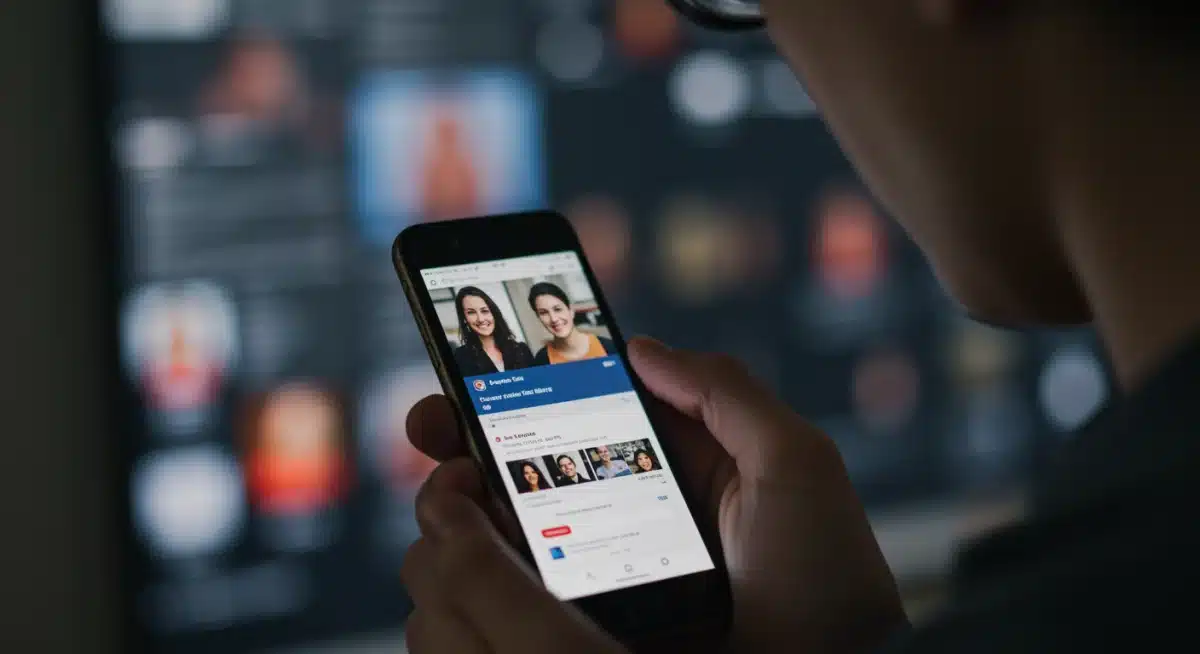
While the Facebook News Feed algorithm is designed to enhance user experience by providing relevant content, it has also inadvertently fostered the creation of ‘echo chambers’ and ‘filter bubbles.’ These phenomena describe situations where users are primarily exposed to information that aligns with their existing beliefs, reinforcing their perspectives and limiting their exposure to diverse viewpoints.
This personalization, while seemingly beneficial, can have far-reaching societal implications, affecting everything from political discourse to consumer choices. It raises questions about media literacy, critical thinking, and the potential for increased polarization in an increasingly digital world. Understanding how these bubbles form is the first step towards mitigating their effects.
How Personalization Shapes Perception
The algorithm’s relentless pursuit of relevance means it learns your preferences and feeds you more of what it thinks you like. This creates a feedback loop where your online environment becomes increasingly tailored to your existing views. Over time, this can lead to a skewed perception of reality, as dissenting opinions or alternative perspectives are systematically filtered out.
- Reinforcement of existing beliefs: Content that confirms biases is prioritized.
- Limited exposure to diverse viewpoints: Algorithms can filter out challenging ideas.
- Potential for increased polarization: Users may become more entrenched in their own groups.
The challenge lies in balancing personalization with the need for a diverse information diet. While users appreciate seeing content they care about, an over-reliance on algorithmic curation can inadvertently narrow their worldview. This is a critical area of ongoing debate and research, as platforms grapple with the ethical implications of their powerful algorithms.
Recent Changes and Future Directions of the Algorithm
Facebook’s algorithm is in a constant state of flux, with the company regularly announcing updates and shifts in its priorities. These changes are often a response to user feedback, societal trends, or strategic business objectives. Staying informed about these updates is crucial for anyone relying on the platform for communication or business.
Recent years have seen Facebook emphasize ‘meaningful social interactions,’ prioritizing content from friends and family over public pages. There’s also been a growing focus on video content and, more recently, short-form video to compete with platforms like TikTok. These shifts indicate Facebook’s commitment to evolving its user experience.
Prioritizing ‘Meaningful Interactions’
One notable shift was the algorithm’s move to prioritize posts that generate ‘meaningful social interactions.’ This meant favoring content that sparks conversations and genuine engagement between users, rather than passive consumption.
- Emphasis on friends and family content: More visibility for personal updates.
- De-prioritization of passive content: Less reach for purely informational posts without interaction.
- Encouragement of comments and shares: These signals are highly valued.
Another significant trend is the increasing importance of video, particularly short-form video formats. Facebook recognizes the massive consumer demand for video content and is actively adjusting its algorithm to showcase more of it. This has implications for content creators, who must adapt their strategies to leverage these preferred formats effectively.
Strategies for Adapting to Algorithmic Shifts
Given the dynamic nature of the Facebook News Feed algorithm, adaptation is not just an option but a necessity for individuals, content creators, and businesses alike. Proactive strategies are required to maintain visibility, engagement, and effective communication on the platform. Blindly continuing old practices in the face of algorithmic changes will inevitably lead to diminished results.
The core principle of adaptation revolves around understanding the algorithm’s underlying goals: to deliver valuable, engaging, and relevant content to its users. By aligning content strategies with these objectives, one can navigate the complexities of the News Feed more effectively and ensure their message reaches the intended audience.
For Individual Users: Taking Control of Your Feed
Even as an individual user, you have more control over your News Feed than you might realize. Actively managing your preferences and interactions can significantly shape the content you see, helping to break free from algorithmic biases.
- Utilize ‘See First’: Prioritize posts from key friends or pages.
- Hide or unfollow: Reduce content from sources you don’t wish to see.
- Engage thoughtfully: Likes, comments, and shares signal your interests to the algorithm.
For Content Creators: Optimizing for Engagement
For those publishing content, the focus must shift from simply posting to strategically engaging. This means creating content that not only attracts attention but also encourages interaction and discussion.
- Focus on authentic engagement: Encourage comments, shares, and reactions.
- Diversify content formats: Experiment with videos, live streams, stories, and carousels.
- Understand your audience: Tailor content to their specific interests and needs.
- Utilize Facebook Groups: Foster community and deeper interactions away from the main feed.
Ultimately, successful adaptation involves a continuous cycle of observation, experimentation, and refinement. The Facebook News Feed algorithm will continue to evolve, and those who remain flexible and responsive to its shifts will be best equipped to thrive in this ever-changing digital environment. Staying informed and proactive is key to maintaining a meaningful presence on the platform.
The Future of Your Feed: What to Expect Next

Predicting the exact future of the Facebook News Feed algorithm is challenging, but current trends and Facebook’s stated priorities offer strong indications of what to expect. The platform is continuously striving to enhance user experience, combat misinformation, and respond to competitive pressures, all of which will shape the algorithmic landscape moving forward.
Expect a continued emphasis on personalized content delivery, increasingly sophisticated AI, and a potential blend of social and discovery features. The goal remains to keep users engaged and captivated, ensuring Facebook remains a central part of their digital lives.
Emerging Trends and Predictive Analytics
Facebook is heavily investing in artificial intelligence and machine learning to make its algorithms even more predictive and responsive. This means your feed will likely become even more tailored to your individual habits and preferences, often anticipating what you want to see before you even know it.
- Increased AI sophistication: Algorithms will become more adept at predicting user preferences.
- Integration of new content formats: Expect more immersive and interactive experiences.
- Focus on community and niche interests: Groups and specialized content may gain more prominence.
Furthermore, expect Facebook to continue its efforts to combat misinformation and promote authoritative sources. While challenging, this ongoing battle will likely influence how content is ranked and presented, potentially giving greater weight to verified news sources and factual information. The future feed will be a delicate balance between personalization, community, and responsible information dissemination, all driven by an increasingly intelligent algorithm.
| Key Aspect | Description of Impact |
|---|---|
| Content Visibility | Algorithm determines which posts are seen, significantly reducing organic reach for businesses. |
| Echo Chambers | Personalization can limit exposure to diverse viewpoints, reinforcing existing beliefs. |
| User Engagement | Algorithm prioritizes content that sparks ‘meaningful social interactions’ like comments and shares. |
| Content Strategy | Creators must adapt to prioritize high-quality, interactive content and video formats to remain visible. |
Frequently Asked Questions About the Facebook News Feed Algorithm
The Facebook News Feed algorithm undergoes continuous minor tweaks and occasional significant updates. While major overhauls are less frequent, smaller adjustments happen regularly, sometimes daily, to optimize user experience and respond to new trends or feedback. Staying updated on official announcements is key.
Yes, you can exert some control. Facebook offers tools like ‘See First’ for prioritizing specific friends or pages. You can also hide posts, unfollow sources, or report content you dislike. Your interactions (likes, comments, shares) also signal your preferences to the algorithm, subtly shaping your future feed.
Facebook’s algorithm prioritizes ‘meaningful social interactions’ from friends and family over public page content. This, coupled with increased competition, has led to a natural decline in organic reach for businesses. High-quality, engaging content and paid promotion are now vital for visibility.
Echo chambers and filter bubbles occur when the algorithm primarily shows you content that aligns with your existing views, reinforcing beliefs and limiting exposure to diverse perspectives. This personalization, while intended to be helpful, can inadvertently create isolated information environments for users.
Currently, the algorithm tends to favor content that generates meaningful interactions (comments, shares), posts from friends and family, and certain rich media formats like videos, especially short-form videos. Authenticity, relevance, and community engagement are key drivers for algorithmic preference.
Conclusion
The Facebook News Feed algorithm is a powerful, dynamic force shaping our digital lives. Far from a simple chronological display, it’s a sophisticated system constantly learning and adapting to deliver a personalized experience. While its intent is to enhance relevance and engagement, its profound impact on what we see, and crucially, what we don’t see, necessitates a critical understanding. For users, content creators, and businesses alike, recognizing the algorithm’s influence and strategically adapting to its ever-evolving nature is paramount for navigating the complex landscape of modern social media effectively.