AI Influencers: Are Real People Losing Followers?
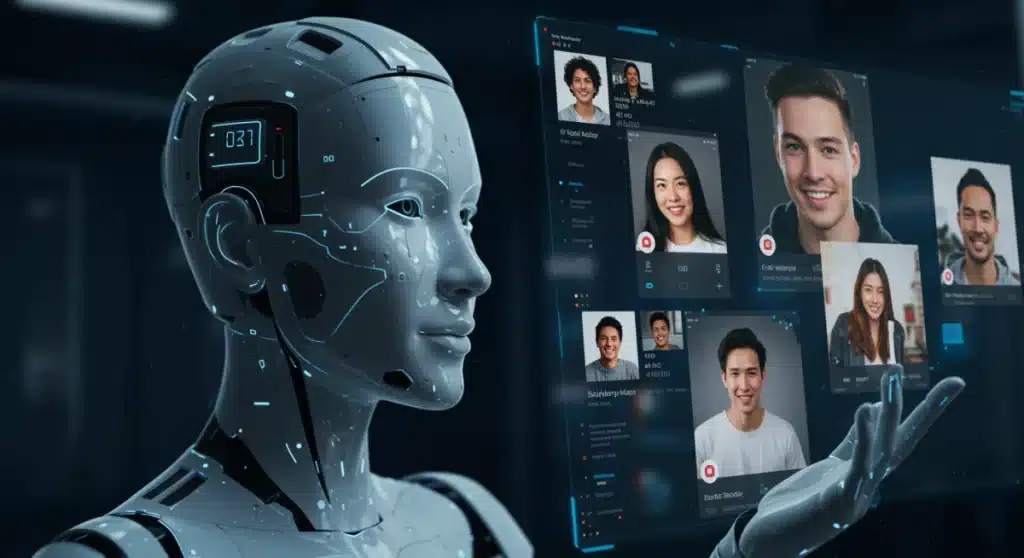
The rapid emergence of AI influencers is prompting a critical examination of their growing dominance in the digital sphere and the potential displacement of human content creators.
The digital landscape is constantly evolving, and a new phenomenon is capturing the attention of millions: the emergence of AI influencers. This raises a crucial question that echoes through social media feeds and marketing boardrooms alike: The Rise of AI Influencers: Are Real People Losing Followers? As these digital entities gain unprecedented traction, it’s imperative to understand the implications for content creation, audience engagement, and the very definition of influence itself.
The Genesis of AI Influencers: From Concept to Reality
The concept of artificial intelligence has leaped from science fiction to a tangible reality, profoundly impacting various industries, including the realm of social media and marketing. AI influencers are not just animated characters; they are sophisticated digital constructs designed to emulate human personalities, engage with audiences, and promote products or services, often with an uncanny degree of realism.
Initially, these virtual personalities were seen as novelties, curiosities in the vast digital ocean. However, advancements in generative AI, computer graphics, and natural language processing have enabled them to achieve a level of sophistication that blurs the lines between the synthetic and the authentic. Companies and individual creators are now leveraging these technologies to craft personas that can be meticulously controlled, consistently on-brand, and available 24/7, without the traditional human limitations.
Technological Underpinnings of Virtual Personalities
The creation of an AI influencer involves a complex interplay of several cutting-edge technologies. These digital beings are not simply rendered images; they are intricate models built on vast datasets and powered by algorithms that govern their appearance, behavior, and conversational abilities.
- Generative Adversarial Networks (GANs): These networks are crucial for creating hyper-realistic faces and body forms, making AI influencers visually indistinguishable from humans.
- Natural Language Processing (NLP): This technology enables AI influencers to understand and generate human-like text, facilitating engaging interactions in comments and direct messages.
- Motion Capture and Animation: While some AI influencers are purely static images, many incorporate sophisticated animation techniques to give them fluid, lifelike movements.
- Deep Learning Algorithms: These algorithms learn from vast amounts of data to predict trends, optimize content, and personalize interactions with followers, maximizing engagement.
The continuous refinement of these technologies ensures that AI influencers are not static creations but evolving entities capable of adapting to new trends and audience preferences. This technological foundation is what gives them their unique edge in a crowded digital space.
In essence, the rise of AI influencers is a testament to the rapid progress in artificial intelligence, transforming what was once imaginative into a burgeoning reality. Their ability to simulate human traits and engage effectively is setting a new precedent for digital content creation and influence.
The Allure of the Artificial: Why Brands Embrace AI Influencers
For brands and marketers, the appeal of AI influencers extends far beyond mere novelty. These digital entities offer a unique set of advantages that address many of the challenges associated with traditional human influencer marketing. The controlled environment and predictable nature of AI models present a compelling proposition for strategic campaigns.
One of the primary draws is the unprecedented level of control. Unlike human influencers, who come with their own opinions, personal lives, and potential for controversy, AI influencers can be meticulously crafted to embody a brand’s exact values and aesthetics. Every post, every interaction, and every appearance can be pre-approved and perfectly aligned with marketing objectives, minimizing risks and ensuring consistent messaging.
Predictability and Consistency in Branding

The digital nature of AI influencers allows for a level of consistency that is difficult to achieve with human counterparts. Brands can ensure that their virtual representative always looks perfect, always delivers the right message, and never has an off-day. This predictability is invaluable in maintaining a strong, cohesive brand image across all platforms.
- Brand Alignment: AI influencers are designed from the ground up to reflect specific brand identities, ensuring seamless integration into marketing campaigns.
- Crisis Management: The absence of personal scandals or unpredictable behavior significantly reduces the risk of negative publicity for associated brands.
- Eternal Youth and Appeal: AI influencers do not age, their appearance can be updated instantly, and they can maintain a consistent aesthetic indefinitely, offering long-term brand stability.
Beyond control, AI influencers also offer scalability and cost-effectiveness in certain scenarios. While the initial investment in creating a high-quality AI influencer can be substantial, the long-term operational costs can be lower than continually engaging human celebrities or a multitude of micro-influencers. They can be deployed across multiple campaigns simultaneously, reach global audiences without geographical constraints, and operate around the clock.
Ultimately, brands are drawn to AI influencers for their ability to deliver precise, consistent, and scalable marketing solutions. This strategic advantage allows companies to innovate their outreach efforts and connect with consumers in new and highly controlled ways, making them a powerful tool in the modern marketing arsenal.
Human Influencers: Adapting to the New Digital Reality
The emergence of AI influencers has undeniably cast a shadow of uncertainty over the careers of many human content creators. However, it also presents an opportunity for introspection and adaptation. Real people in the influencer space are not simply disappearing; instead, they are being challenged to redefine their value proposition and leverage their inherent human advantages.
For years, the authenticity and relatability of human influencers have been their strongest assets. Audiences connect with real stories, genuine emotions, and the imperfections that make individuals unique. As AI models become more sophisticated, human influencers must double down on these core strengths, emphasizing the human experience that cannot be replicated by algorithms.
Emphasizing Authenticity and Relatability
In a world increasingly saturated with polished, perfect digital creations, the raw and unfiltered aspects of human life become even more valuable. Human influencers who can genuinely share their experiences, struggles, and triumphs are likely to foster deeper connections with their audiences.
- Personal Narratives: Sharing personal stories, vulnerabilities, and real-life experiences creates a bond that AI cannot replicate.
- Unscripted Moments: Embracing spontaneity and allowing for unedited content can enhance authenticity and make creators more relatable.
- Community Building: Actively engaging with followers, responding to comments, and fostering a sense of belonging are strengths inherent to human interaction.
Moreover, human influencers possess the unique ability to adapt creatively, innovate on the fly, and engage in genuine, nuanced conversation. They can understand cultural subtleties, react to current events with genuine emotion, and participate in real-world experiences that form the basis of compelling content. This adaptability and capacity for genuine human connection are critical differentiators that AI, despite its advancements, still struggles to fully emulate.
The challenge for human influencers is to not just compete with AI but to differentiate themselves by highlighting what makes them irreplaceable: their humanity. By focusing on authenticity, building genuine communities, and leveraging their unique perspectives, real people can continue to thrive in this evolving digital landscape.
Audience Perception: Trust, Engagement, and the Uncanny Valley
The success of any influencer, human or artificial, ultimately hinges on audience perception. How followers view and interact with AI influencers is a complex interplay of curiosity, skepticism, and the ever-present phenomenon of the uncanny valley. While some embrace the novelty, others remain wary of the artificiality.
Initially, many audiences are drawn to AI influencers out of sheer intrigue. The futuristic appeal, flawless aesthetics, and often fantastical backstories can be captivating. This curiosity drives initial engagement, leading to follows and interactions. However, sustaining this engagement and building lasting trust presents a different challenge, particularly as the AI becomes more commonplace.
Navigating the Uncanny Valley
The concept of the uncanny valley describes the unsettling feeling people experience when encountering entities that appear almost, but not quite, human. While AI influencers are designed for realism, slight imperfections or behavioral inconsistencies can trigger this response, potentially undermining trust and relatability.
- Visual Realism: As AI models become more visually perfect, the risk of falling into the uncanny valley decreases, but subtle details can still betray their artificial nature.
- Emotional Expression: The ability of AI to convey genuine emotion in their expressions and interactions is a key factor in how human audiences perceive them.
- Authenticity of Interaction: Beyond visual appeal, the quality and depth of conversational engagement play a crucial role in fostering a sense of connection.
Research suggests that while consumers may be intrigued by AI influencers, their trust levels often differ compared to human counterparts. There’s a fundamental understanding that an AI cannot genuinely experience emotions, form opinions, or live a life in the same way a human can. This distinction affects how audiences perceive product recommendations or lifestyle advice from virtual personalities.
Ultimately, the long-term success of AI influencers in retaining and growing an audience will depend on their ability to overcome the uncanny valley and cultivate a unique form of engagement. This might involve embracing their artificiality in a creative way or pushing the boundaries of realism to a point where the distinction becomes almost imperceptible, fostering a new kind of trust based on consistent performance and curated perfection.
The Economic Implications: A Shifting Influencer Economy

The influx of AI influencers is not merely a cultural phenomenon; it carries significant economic implications, reshaping the landscape of the influencer economy. Brands are re-evaluating their marketing budgets, and human influencers are confronting new forms of competition, leading to a potential redistribution of resources and opportunities.
One of the most immediate economic impacts is the potential for cost reduction for brands. While the creation of a sophisticated AI influencer can be expensive, their scalability and lack of traditional human demands (salaries, travel, accommodations, personal management) can lead to long-term savings. This efficiency makes them an attractive option for companies looking to maximize ROI on their marketing spend.
Redistribution of Marketing Budgets
As AI influencers prove their effectiveness, a portion of marketing budgets traditionally allocated to human talent may shift towards virtual alternatives. This doesn’t necessarily mean the complete displacement of human influencers but rather a diversification of investment.
- Budget Optimization: Brands can strategically allocate funds between human and AI influencers based on campaign goals, target audience, and desired level of control.
- New Revenue Streams: The creation and licensing of AI influencers open up new avenues for digital agencies and tech companies, fostering a new segment of the creative economy.
- Increased Competition: Human influencers face heightened competition, potentially driving down rates for some, while increasing demand for those who offer unique, irreplaceable human qualities.
Furthermore, the rise of AI influencers creates new job roles and industries. There’s a growing demand for AI artists, programmers, narrative designers, and ethical consultants who specialize in creating and managing these virtual personalities. This shift reflects a broader trend of automation and AI integration across various sectors, requiring a re-skilling and adaptation of the workforce.
The economic implications suggest a future where the influencer market is larger and more diversified, with both human and AI entities coexisting. Success will increasingly depend on understanding the unique strengths of each and strategically deploying them to achieve specific marketing and brand objectives, fundamentally altering how influence is bought, sold, and consumed.
Ethical Considerations and the Future of Digital Identity
The proliferation of AI influencers brings forth a host of ethical considerations that demand careful scrutiny. As these digital entities become more sophisticated and integrated into our daily digital lives, questions about transparency, authenticity, and the very nature of human connection come to the forefront. Navigating these ethical waters will be crucial for the responsible development and deployment of AI in the influencer space.
One of the primary concerns revolves around transparency. Should audiences always be explicitly aware that they are interacting with an AI? While some AI influencers are clearly presented as virtual, others are designed to be so realistic that their artificial nature might not be immediately apparent. This lack of transparency can lead to deception, eroding trust and raising questions about the authenticity of the endorsements and messages conveyed.
Addressing Transparency and Authenticity
Establishing clear guidelines for disclosing the artificial nature of AI influencers is paramount. This not only protects consumers but also fosters a more honest and trustworthy digital environment.
- Clear Disclosure: Platforms and creators should implement clear and unambiguous labels indicating when an influencer is AI-generated.
- Ethical Content Creation: Guidelines are needed to prevent AI influencers from promoting harmful stereotypes, misinformation, or engaging in manipulative tactics.
- Data Privacy: The data collected by AI influencers and how it’s used to personalize interactions raises significant privacy concerns that need robust regulation.
Beyond transparency, the long-term impact on human self-perception and mental health is also a critical ethical concern. If perfectly curated, unattainable AI ideals become the norm, how will this affect the self-esteem and body image of real individuals, especially younger audiences? The potential for AI influencers to exacerbate existing societal pressures related to appearance and lifestyle is a significant area for ethical debate.
The future of digital identity in an AI-saturated world requires a proactive approach to ethics. It involves not just technological innovation but also a commitment to responsible creation, clear communication, and the protection of human values. As AI influencers continue to evolve, ongoing dialogue and the development of robust ethical frameworks will be essential to ensure their integration enriches, rather than diminishes, our digital experiences.
Coexistence and Collaboration: A Hybrid Influencer Landscape
While the initial reaction to AI influencers might be one of direct competition, a more nuanced perspective suggests a future of coexistence and even collaboration between human and artificial entities. The digital landscape is vast enough to accommodate both, and their unique strengths can be leveraged synergistically to create richer, more diverse content and marketing strategies.
Instead of a zero-sum game, we are likely moving towards a hybrid influencer ecosystem where brands strategically utilize both human and AI influencers to achieve different objectives. Human influencers can bring unparalleled authenticity, emotional depth, and spontaneous creativity, while AI influencers offer precision, scalability, and consistent brand messaging.
Synergistic Strategies for a Blended Future
The most effective strategies in the coming years may involve integrating the best attributes of both human and AI influencers, leading to innovative approaches in content creation and audience engagement.
- Human-AI Partnerships: Imagine a human influencer collaborating with an AI counterpart on a campaign, where the human provides the authentic narrative and the AI handles repetitive engagement or data analysis.
- AI as Creative Assistants: AI tools can empower human influencers by assisting with content generation, trend analysis, or even creating virtual backgrounds and effects, enhancing their creative output.
- Niche Market Domination: AI influencers might excel in highly specialized or fantastical niches where human presence is less critical, freeing human influencers to focus on areas requiring deep human connection.
This collaborative model recognizes that AI is a tool, albeit a sophisticated one, that can augment human capabilities rather than simply replace them. Human creativity, empathy, and the ability to connect on a deeply personal level remain invaluable. AI, on the other hand, can manage the more data-driven, repetitive, or logistically complex aspects of influencing.
The future of the influencer landscape is likely to be characterized by a dynamic interplay between human ingenuity and artificial intelligence. This hybrid model promises a more diverse, efficient, and engaging digital space, where the strengths of both human and AI influencers are harnessed to create compelling narratives and foster meaningful connections with audiences.
| Key Aspect | Description |
|---|---|
| AI Influencer Appeal | Brands gain control, consistency, and scalability, reducing risks associated with human errors. |
| Human Adaptability | Real influencers leverage authenticity, relatability, and genuine connection to differentiate. |
| Audience Trust | Navigating the uncanny valley and ensuring transparency are crucial for AI influencer acceptance. |
| Hybrid Future | Coexistence and collaboration between human and AI influencers for diverse strategies. |
Frequently Asked Questions About AI Influencers
An AI influencer is a computer-generated character designed with human-like features and personality, created using advanced AI and graphics technology. They engage with audiences on social media, promote products, and build a following much like human influencers, but are entirely digital constructs.
While AI influencers pose a new form of competition, they are not entirely replacing human influencers. Instead, they are creating a hybrid landscape where both coexist. Human influencers differentiate themselves through authenticity and genuine connection, while AI offers scalability and control for brands.
Brands benefit from AI influencers through unparalleled control over messaging, consistent brand alignment, 24/7 availability, and reduced risk of controversy. They also offer scalability and can be cost-effective in the long run for certain campaigns, maximizing marketing ROI.
Audience reactions vary, ranging from curiosity and intrigue to skepticism. Many are drawn to the novelty and polished aesthetics, but maintaining long-term trust and overcoming the “uncanny valley” effect remains a challenge for AI influencers. Transparency is key for acceptance.
Key ethical concerns include transparency regarding their artificial nature, the potential for deception, and the impact on human self-perception and mental health. There are also questions about data privacy and the potential for AI influencers to perpetuate harmful stereotypes or misinformation if not managed responsibly.
Conclusion
The emergence of AI influencers marks a significant turning point in the digital age, fundamentally altering the dynamics of social media and marketing. While they present undeniable advantages for brands in terms of control, consistency, and scalability, they also challenge human influencers to redefine their value through authenticity, genuine connection, and unique creative expression. The question of whether real people are losing followers to their AI counterparts isn’t a simple yes or no; it’s a call for adaptation and innovation. A future where human and AI influencers coexist, and even collaborate, appears to be the most probable outcome, creating a richer, more diverse, and strategically complex digital landscape. As technology continues to advance, the emphasis will shift towards ethical deployment, transparent communication, and harnessing the unique strengths of both artificial intelligence and human ingenuity to shape the future of influence.