Top 5 Social Media Trends Dominating US Conversations Now
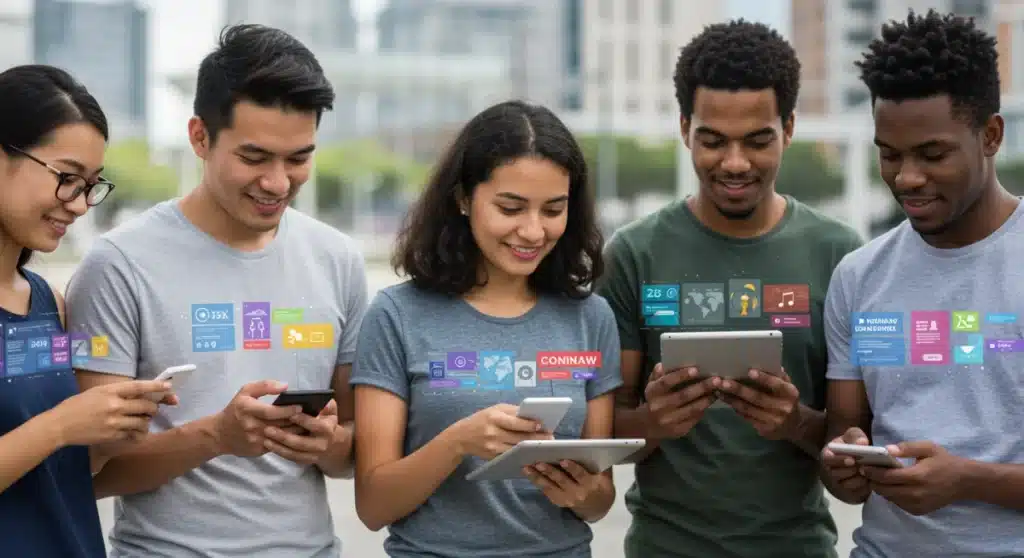
The US social media landscape is dynamically shifting, driven by five major trends: the continued dominance of short-form video, the rise of AI-powered content, the push for authentic community building, increasing privacy concerns, and the integration of immersive experiences like AR/VR.
The digital world never stands still, and nowhere is this more evident than in social media. In the United States, keeping pace with the evolving trends isn’t just about staying current; it’s about understanding the very fabric of modern communication and connection. Let’s delve into the 5 biggest social media trends dominating the US conversation right now, shaping how Americans interact, consume content, and build communities online.
The Unstoppable Rise of Short-Form Video Content
Short-form video has unequivocally captured the attention of US social media users, becoming a primary mode of content consumption and creation. Platforms like TikTok, Instagram Reels, and YouTube Shorts have capitalized on shrinking attention spans, delivering bite-sized entertainment and information that is both engaging and easily digestible. This trend transcends demographics, influencing everything from marketing strategies to educational content.
The appeal of short-form video lies in its immediacy and accessibility. Users can quickly scroll through an endless feed of diverse content, finding humor, inspiration, and news in seconds. This format has democratized content creation, allowing individuals and brands alike to produce high-quality, impactful videos without needing extensive resources or technical expertise. The algorithms driving these platforms are incredibly sophisticated, tailoring content to individual preferences with remarkable accuracy, fostering deep engagement.
The TikTok Effect and Beyond
TikTok pioneered this format, demonstrating its immense potential for virality and cultural impact. Its success forced other major platforms to adapt, leading to the integration of similar features across the social media ecosystem. This competitive landscape has only fueled innovation, pushing creators to be more imaginative and platforms to offer better tools.
- Increased Engagement: Short videos often lead to higher interaction rates due to their quick consumption cycle.
- Accessibility for Creators: Easier to produce content without professional equipment.
- Algorithmic Personalization: Highly tailored feeds keep users hooked.
- Brand Opportunities: A fertile ground for viral marketing campaigns and influencer collaborations.
This trend has profoundly reshaped how information is shared and consumed, favoring conciseness and visual storytelling. Brands are now investing heavily in short-form video strategies, recognizing its power to reach and resonate with target audiences in a highly saturated digital environment. From product demonstrations to behind-the-scenes glimpses, the possibilities are endless and continue to evolve rapidly.
The prominence of short-form video content underscores a broader shift in digital consumption habits. Users are seeking instant gratification and easily consumable media, making this format an indispensable part of any social media strategy in the US. Its pervasive influence ensures it will remain a dominant force for the foreseeable future, constantly innovating and adapting to user preferences.
AI-Powered Content Creation and Personalization
Artificial Intelligence (AI) is no longer a futuristic concept; it’s a present-day reality profoundly impacting social media in the US. From generating compelling ad copy to personalizing user feeds, AI is enhancing efficiency, creativity, and user experience across platforms. This trend is transforming how content is created, distributed, and consumed, making interactions more dynamic and tailored than ever before.
AI algorithms are behind the scenes, powering recommendations, moderating content, and even assisting with design elements. For creators and businesses, AI tools offer unprecedented capabilities, streamlining tasks that once required significant human effort. This means more time for strategic thinking and less for repetitive work, fostering a new era of digital creativity and productivity.
Automating Engagement and Insights
The application of AI extends to understanding audience behavior, identifying trends, and even predicting future content preferences. This analytical power allows platforms and marketers to deliver highly relevant content, improving engagement metrics and user satisfaction. The goal is to make every interaction feel bespoke, creating a more intimate and effective digital experience.
- Enhanced Personalization: AI tailors content feeds, ads, and recommendations to individual users.
- Content Generation: Tools for drafting captions, headlines, and even video scripts.
- Audience Insights: Advanced analytics to understand user behavior and preferences.
- Automated Moderation: AI assists in identifying and removing inappropriate content, improving platform safety.
The integration of AI is also fostering new forms of content, such as AI-generated art and music, pushing the boundaries of what’s possible on social media. While ethical considerations surrounding AI remain an ongoing conversation, its utility in enhancing the social media experience is undeniable. Brands are leveraging AI to automate customer service, create hyper-targeted advertising campaigns, and even analyze sentiment around their products.
AI’s role in social media is only set to expand, moving beyond simple automation to more sophisticated predictive and generative capabilities. This trend signifies a shift towards more intelligent and adaptive social platforms, promising a future where every digital interaction is optimized for maximum impact and relevance. Understanding and harnessing AI will be crucial for anyone looking to thrive in the evolving US social media landscape.
The Drive for Authentic Community and Connection
In an increasingly digital world, US social media users are yearning for genuine connections and authentic communities. Beyond superficial likes and fleeting trends, there’s a significant shift towards platforms and features that foster deeper, more meaningful interactions. This trend emphasizes quality over quantity, prioritizing spaces where individuals can share common interests, support one another, and engage in genuine dialogue.
This desire for authenticity is leading to a resurgence of private groups, niche communities, and platforms that prioritize real-time conversations. Users are seeking environments where they feel safe to express themselves, away from the pressures of public performance and the negativity often associated with broader social feeds. It’s about finding your tribe and cultivating relationships that extend beyond the screen.
The Rise of Niche Platforms and Groups
While major platforms still dominate, there’s a growing appreciation for smaller, more focused communities. Discord servers, private Facebook groups, and specialized forums are gaining traction as users look for spaces tailored to their specific hobbies, professions, or identities. This allows for more targeted discussions and a stronger sense of belonging.
- Increased Trust: Smaller, curated communities often foster higher levels of trust among members.
- Shared Interests: Focus on specific topics allows for deeper engagement and specialized knowledge sharing.
- Sense of Belonging: Users find comfort and support in like-minded groups.
- Reduced Toxicity: Private settings often lead to more constructive and respectful interactions.
Brands are also recognizing this shift, moving beyond broad advertising campaigns to engage with micro-influencers and participate authentically within niche communities. Building genuine relationships with these communities can lead to stronger brand loyalty and more impactful word-of-mouth marketing. The emphasis is on providing value and becoming a trusted part of the conversation, rather than just broadcasting messages.
The pursuit of authentic community highlights a fundamental human need for connection, now translated into the digital sphere. As social media continues to evolve, platforms that successfully facilitate genuine interaction and foster supportive environments will be key to capturing and retaining US users. This trend signals a maturing of the social media landscape, moving towards more profound and purposeful digital engagement.
Heightened Focus on Privacy and Data Security
In an era of increasing digital interconnectedness, concerns over privacy and data security have become paramount for US social media users. High-profile data breaches and evolving regulations have made individuals more aware of their digital footprint and the information they share online. This heightened awareness is driving demand for greater transparency, stronger privacy controls, and platforms that prioritize user data protection.
Users are becoming more discerning about which platforms they trust with their personal information. This pressure from consumers is forcing social media companies to re-evaluate their data handling practices and implement more robust security measures. Transparency in how data is collected, used, and shared is no longer just a good practice; it’s an expectation that can significantly impact user loyalty.
Navigating New Regulations and User Expectations
The landscape of data privacy is continually evolving, with new regulations like GDPR and CCPA setting higher standards for data protection. While these regulations originate outside or within specific US states, their influence is felt across the national social media ecosystem. Platforms must adapt to these legal frameworks while also responding to the public’s growing demand for control over their personal data.
- Increased User Control: Demand for more granular privacy settings and data management tools.
- Transparency Requirements: Clearer communication from platforms about data policies.
- Secure Data Handling: Emphasis on robust encryption and security protocols to prevent breaches.
- Ad Blocker Adoption: Growing use of tools to limit tracking and personalized advertising.
This trend has profound implications for advertisers and marketers who rely on user data for targeted campaigns. The shift towards greater privacy means a need for more innovative and ethical approaches to advertising, focusing on contextual relevance and user consent rather than intrusive data collection. Building trust through transparent and secure practices will be crucial for maintaining effective digital marketing strategies.
The focus on privacy and data security is transforming social media from a free-for-all data environment into a more regulated and user-centric space. Platforms that proactively address these concerns and demonstrate a genuine commitment to protecting user data will gain a significant competitive advantage in the US market. This trend reflects a broader societal shift towards digital rights and individual autonomy online.
The Integration of Immersive Experiences (AR/VR)

The lines between the physical and digital worlds are blurring, with augmented reality (AR) and virtual reality (VR) increasingly integrated into social media experiences in the US. These immersive technologies are moving beyond gaming, offering new ways for users to interact with content, connect with others, and express themselves creatively. From AR filters on selfies to virtual social spaces, the potential is vast and rapidly expanding.
AR, in particular, has become a mainstream feature on platforms like Instagram and Snapchat, allowing users to overlay digital elements onto real-world environments. This adds a layer of playfulness and creativity to everyday interactions, making content more dynamic and personalized. VR, while still maturing, promises even deeper levels of immersion, transporting users to entirely new digital realms for social interaction.
Building the Metaverse and Beyond
The concept of the metaverse, a persistent, interconnected virtual world, is gaining traction, with social media platforms positioned to be key players in its development. This vision involves creating rich, interactive digital spaces where users can socialize, work, shop, and play, transcending geographical boundaries. While a fully realized metaverse is still some years away, current AR/VR integrations are laying the groundwork.
- Enhanced Self-Expression: AR filters and effects allow for creative customization of appearance and environment.
- Interactive Content: AR games and experiences offer new forms of engagement within social feeds.
- Virtual Social Spaces: VR platforms provide immersive environments for group interaction and events.
- Brand Innovation: Opportunities for virtual product try-ons, interactive ads, and digital storefronts.
This trend is not just about entertainment; it’s also about utility. AR is being used for virtual try-ons of clothing and makeup, allowing consumers to experience products before purchasing. VR is creating new avenues for remote collaboration and virtual events, offering a sense of presence that traditional video calls cannot match. The convergence of these technologies with social media is creating a more interactive and experiential digital landscape.
The integration of immersive experiences signifies a move towards a more engaging and multi-sensory social media future. As AR and VR technologies become more accessible and sophisticated, their presence on US social platforms will undoubtedly grow, transforming how we perceive and interact with the digital world. This trend offers exciting possibilities for both personal connection and commercial innovation.
The Evolution of Influencer Marketing and Creator Economy
Influencer marketing continues to evolve rapidly in the US, moving beyond celebrity endorsements to embrace a diverse ecosystem of creators. The creator economy, fueled by platforms that empower individuals to monetize their content and build direct relationships with their audience, is flourishing. This trend highlights a shift in power dynamics, where authentic voices and niche expertise hold significant sway over consumer behavior.
Micro and nano-influencers, with their highly engaged and specific audiences, are proving to be incredibly effective for brands seeking authentic connections. Their ability to foster genuine trust and community provides a powerful alternative to traditional advertising. The emphasis is now on long-term partnerships and value-driven content that genuinely resonates with followers, rather than one-off promotional posts.
Beyond Traditional Endorsements
The creator economy is not just about influencers; it encompasses a broad range of individuals who build businesses around their content, from educators and artists to gamers and lifestyle experts. Social media platforms are increasingly providing tools and monetization options—such as subscriptions, direct tipping, and integrated shopping features—to support these creators, fostering a sustainable digital livelihood.
- Authenticity Over Reach: Focus on genuine connection and niche relevance for better ROI.
- Diverse Creator Pool: Rise of micro and nano-influencers with highly engaged communities.
- Direct Monetization: Platforms offering more ways for creators to earn directly from their audience.
- Long-Term Partnerships: Brands seeking sustained collaborations for deeper impact.
This evolution has implications for how brands allocate their marketing budgets and approach digital campaigns. A deeper understanding of the creator landscape, audience demographics, and authentic engagement strategies is crucial for success. The move towards transparency and ethical practices within influencer marketing is also a key aspect, with both creators and brands being held to higher standards by discerning consumers.
The creator economy and the evolving face of influencer marketing underscore a fundamental change in how influence is wielded and value is created on social media. As US users continue to seek relatable voices and authentic recommendations, the power of individual creators will only grow, making this trend a cornerstone of future digital strategies.
The Resurgence of Audio Social and Live Streaming
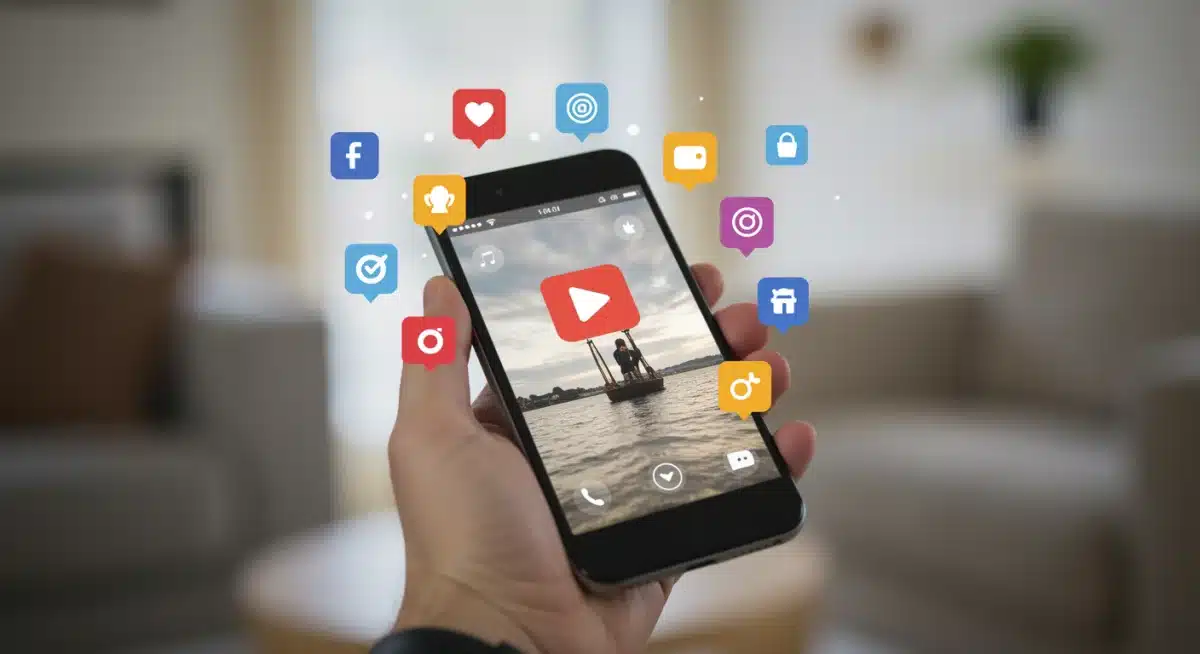
Audio-centric social platforms and live streaming continue to carve out significant spaces in the US social media landscape, offering intimate and real-time connection. The appeal lies in their ability to foster spontaneous conversations, exclusive content, and a sense of shared presence that traditional text or pre-recorded video often lacks. This trend caters to a desire for more immediate and less polished forms of digital interaction.
Platforms like Clubhouse, X Spaces, and even the live audio rooms on Facebook have demonstrated the power of the human voice to connect and engage. These spaces allow for unscripted discussions, Q&A sessions, and performances, creating a dynamic environment where users can participate directly or simply listen in. Live streaming, whether video or audio, adds an element of urgency and exclusivity, encouraging real-time attendance.
Spontaneous Conversations and Real-Time Engagement
The beauty of audio social and live streaming is their raw, unfiltered nature. It’s about being in the moment, experiencing content as it unfolds, and engaging with creators and other users in a synchronous way. This fosters a stronger sense of community and allows for more nuanced exchanges than asynchronous communication methods. It’s a return to the intimacy of conversation, albeit in a digital format.
- Immediacy and Spontaneity: Real-time interactions create a unique sense of presence.
- Intimate Connection: The human voice fosters deeper engagement and personal connection.
- Exclusive Content: Live events offer unique experiences, encouraging participation.
- Accessibility: Audio-only formats can be consumed while multitasking, appealing to busy users.
For brands and creators, audio social and live streaming offer powerful tools for direct engagement with their audience. Hosting Q&A sessions, product launches, or behind-the-scenes discussions can build loyalty and generate excitement. The ability to receive instant feedback and adapt content in real-time makes these formats incredibly valuable for fostering a dynamic relationship with consumers.
The resurgence of audio social and the continued growth of live streaming reflect a broader desire among US users for more genuine, immediate, and interactive digital experiences. As these technologies mature and integrate further into mainstream platforms, they will undoubtedly play an increasingly important role in shaping how we connect, learn, and entertain ourselves online.
| Key Trend | Brief Description |
|---|---|
| Short-Form Video | Dominance of TikTok, Reels, Shorts for quick, engaging content. |
| AI-Powered Content | AI for personalization, creation, and audience insights. |
| Authentic Community | Demand for genuine connections in niche groups. |
| Privacy Focus | Increased user concern for data security and control. |
Frequently Asked Questions About Social Media Trends
Short-form video caters to decreasing attention spans, offering quick entertainment and information. Platforms like TikTok and Instagram Reels excel at delivering highly personalized content, making it incredibly engaging and easy to consume on the go.
AI is transforming content creation by assisting with text generation, video editing, and personalization. It also powers algorithms that curate user feeds, making content more relevant and improving overall engagement for both users and creators.
Authentic community refers to a user’s desire for genuine connections and meaningful interactions within niche groups. This trend prioritizes safe spaces for shared interests, reducing superficial engagement in favor of deeper, more supportive relationships online.
Yes, privacy concerns are significantly influencing user behavior. Americans are becoming more aware of data collection and demanding greater transparency and control over their personal information, pushing platforms to enhance security and privacy settings.
AR features, like filters and interactive effects, are common on platforms like Instagram and Snapchat, enhancing creative expression. VR is developing virtual social spaces and experiences, laying the groundwork for a more immersive and interactive metaverse for users.
Conclusion
The social media landscape in the US is a vibrant, ever-changing ecosystem, driven by technological innovations and evolving user preferences. From the pervasive influence of short-form video and AI’s transformative capabilities to the deep human need for authentic connection, privacy, and immersive experiences, these five major trends are reshaping digital interactions. For individuals, creators, and businesses alike, understanding and adapting to these shifts is not merely about staying relevant, but about actively participating in the future of online communication. The rhythm of everyday America is increasingly digital, and these trends dictate its beat, offering both challenges and unprecedented opportunities for engagement and growth.