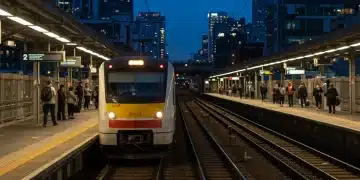
US Transportation Future: EVs, Autonomous Cars, Public Transit
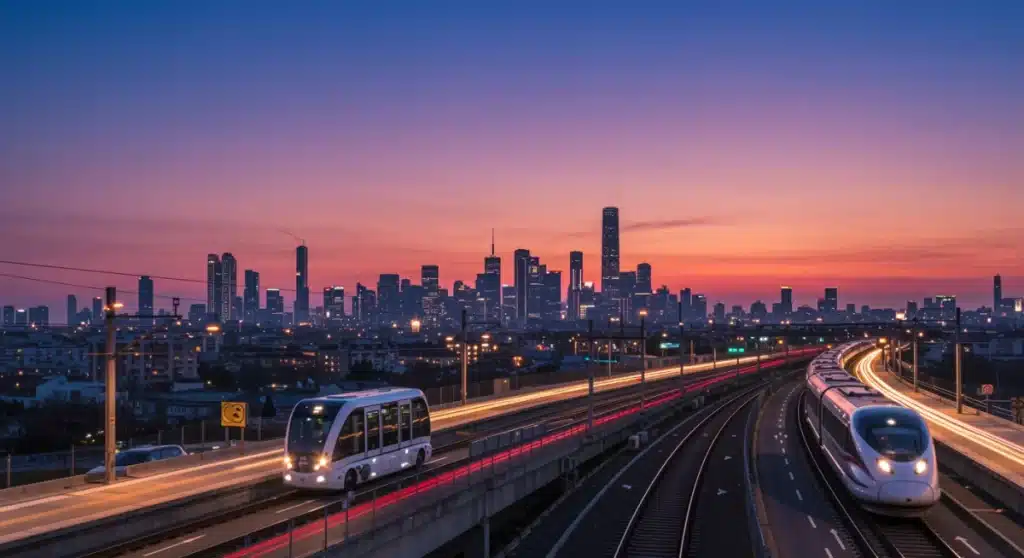
The future of transportation in the US is rapidly evolving, driven by electric vehicles, autonomous technologies, and critical investments in public transit, reshaping how Americans live, work, and move.
The landscape of how Americans move is on the cusp of a profound transformation. From the hum of electric vehicles to the promise of self-driving cars and revitalized public transit systems, the future of transportation in the US is being redefined, promising a cleaner, more efficient, and potentially more equitable mobility experience for all.
The Rise of Electric Vehicles: A Silent Revolution
Electric vehicles (EVs) are no longer a niche market; they are rapidly becoming a mainstream choice for American consumers. This shift is driven by a combination of environmental consciousness, technological advancements, and evolving policy landscapes, signaling a significant move away from traditional internal combustion engines.
The allure of EVs extends beyond their environmental benefits, offering a quieter, smoother driving experience and often lower operating costs due to reduced fuel expenses and maintenance. As battery technology improves and charging infrastructure expands, the adoption rate of EVs is expected to accelerate dramatically across the nation.
Technological Advancements in EV Batteries
Battery technology is at the heart of the EV revolution. Innovations in energy density, charging speed, and cost reduction are making EVs more accessible and practical for everyday use. Solid-state batteries, for instance, promise even greater range and faster charging times, potentially overcoming current limitations.
- Increased energy density allows for longer driving ranges on a single charge.
- Faster charging capabilities reduce wait times at public and home charging stations.
- Lower manufacturing costs contribute to more affordable EV models for consumers.
- Improved battery longevity enhances the overall lifespan and resale value of electric vehicles.
Expanding Charging Infrastructure
A robust charging network is crucial for widespread EV adoption. Both government initiatives and private sector investments are focusing on building out public charging stations, including fast-charging options along major highways and in urban centers. This ensures that EV owners have convenient access to power, alleviating range anxiety.
Home charging solutions also play a vital role, with many EV owners installing Level 2 chargers for overnight power-ups. The integration of smart charging technologies allows for optimized energy consumption, often utilizing off-peak electricity rates.
The transition to electric vehicles represents a multifaceted challenge and opportunity for the US. It requires not only continued innovation in vehicle technology but also a concerted effort to build the necessary infrastructure and adapt consumer habits, ultimately contributing to a cleaner and more sustainable transportation ecosystem.
Autonomous Cars: Navigating the Future of Driving
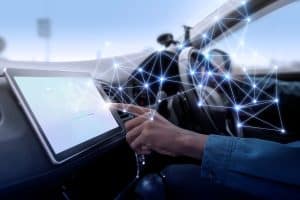
Autonomous vehicles (AVs), commonly known as self-driving cars, are poised to revolutionize personal mobility and logistics. While still in various stages of development and testing, their potential impacts on safety, efficiency, and urban planning are profound. These vehicles promise to reduce human error, optimize traffic flow, and offer new forms of transportation for individuals who currently face mobility challenges.
The journey towards fully autonomous vehicles involves overcoming significant technological hurdles, regulatory complexities, and public perception challenges. However, the steady progress in sensor technology, artificial intelligence, and mapping systems suggests that AVs will increasingly become a reality on American roads.
Levels of Automation and Current Progress
Automotive engineers categorize autonomous driving into six levels, from Level 0 (no automation) to Level 5 (full automation under all conditions). Currently, many vehicles offer Level 2 features like adaptive cruise control and lane-keeping assistance, while Level 3 systems, allowing for conditional automation, are beginning to emerge in limited capacities.
Companies are actively testing Level 4 vehicles in designated areas, capable of fully autonomous operation within specific operational design domains. These tests provide crucial data for refining algorithms and ensuring safety before wider deployment.
Safety and Ethical Considerations
The introduction of autonomous vehicles raises critical questions regarding safety and ethics. While AVs are designed to eliminate human error, which accounts for a vast majority of accidents, the programming of these vehicles to make split-second decisions in unavoidable accident scenarios presents complex ethical dilemmas. Robust testing and regulatory frameworks are essential to build public trust.
- Reducing accidents caused by human factors like distraction or fatigue.
- Establishing clear liability frameworks in the event of an autonomous vehicle accident.
- Ensuring the cybersecurity of AV systems to prevent hacking and unauthorized control.
- Addressing the ethical decision-making algorithms embedded within self-driving software.
The integration of autonomous cars into daily life will require not only technological readiness but also societal acceptance and a comprehensive regulatory environment. The promise of fewer accidents, reduced congestion, and increased accessibility drives continued innovation in this transformative sector.
Revitalizing Public Transit: A Cornerstone for Sustainable Cities
Public transit, including buses, trains, subways, and light rail, remains a critical component of a sustainable and equitable transportation future in the US. As urban populations grow and environmental concerns intensify, investing in and modernizing public transit systems becomes increasingly vital. These systems offer an alternative to private vehicle ownership, reducing traffic congestion, air pollution, and the demand for parking.
Despite challenges such as funding constraints and evolving ridership patterns, there is a renewed focus on enhancing public transit to make it more attractive, efficient, and accessible. This includes integrating new technologies and expanding services to better serve diverse communities.
Modernization and Technological Integration
Modern public transit systems are leveraging technology to improve rider experience and operational efficiency. Real-time tracking apps provide passengers with accurate arrival times, while contactless payment systems streamline fare collection. Predictive maintenance systems for vehicles and infrastructure minimize downtime and enhance reliability.
The adoption of electric buses and trains is also a growing trend, aligning with broader decarbonization goals. These electric fleets contribute to cleaner air in urban areas and reduce operational noise, improving the quality of life for residents.
Challenges and Opportunities for Expansion
Expanding public transit faces several challenges, including securing consistent funding, navigating complex urban planning, and adapting to changing commuter habits, particularly in the post-pandemic era. However, these challenges also present opportunities for innovation.
- Developing flexible, on-demand transit options to serve less dense areas.
- Integrating public transit with micro-mobility solutions like bike-sharing and scooter rentals.
- Investing in high-speed rail to connect major metropolitan areas more efficiently.
- Designing transit hubs that are safe, comfortable, and accessible for all users.
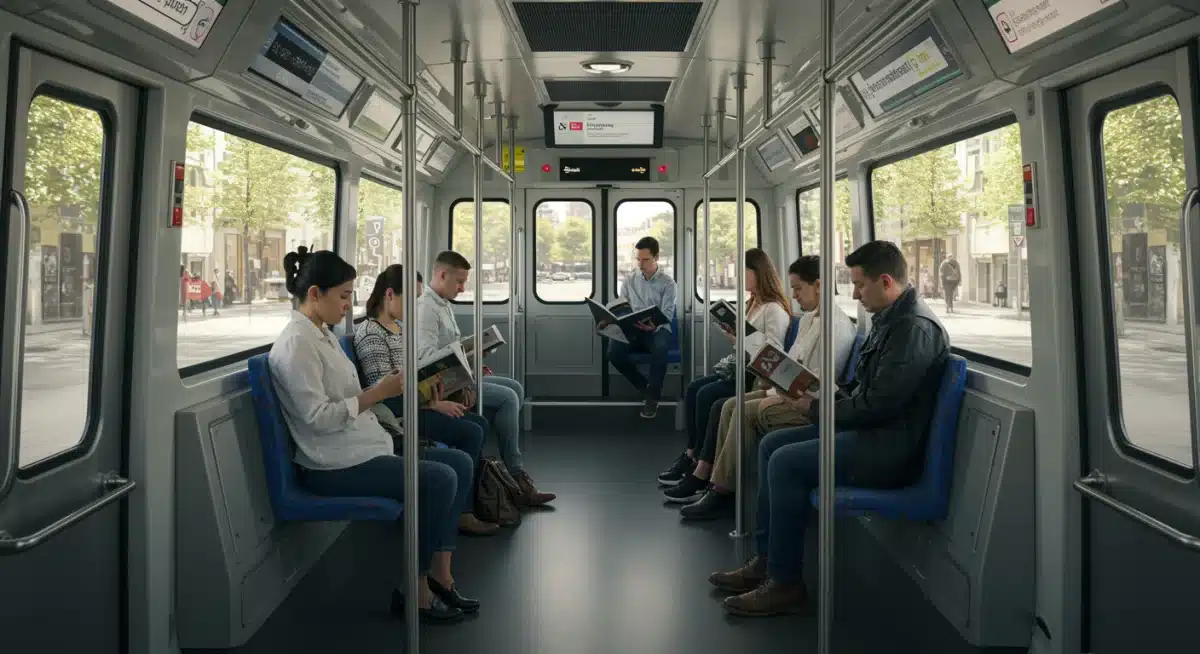
A robust and well-funded public transit network is not just about moving people; it’s about fostering economic development, improving social equity, and building more resilient and livable cities. Its role in shaping the future of transportation in the US cannot be overstated.
The Synergy of Different Modes: Intermodal Transportation
The future of transportation in the US will not be dominated by a single mode but rather by a seamless integration of various options. Intermodal transportation, where different modes work together to provide a continuous journey, is key to optimizing efficiency, reducing environmental impact, and enhancing passenger convenience. This holistic approach recognizes that a truly effective transportation system leverages the strengths of each mode.
From the first mile to the last, travelers should ideally be able to transition effortlessly between personal vehicles, public transit, ride-sharing, cycling, and even walking. This requires smart infrastructure, integrated ticketing systems, and data-driven planning to create truly connected networks.
Connecting EVs and Public Transit
Electric vehicles and public transit can complement each other significantly. EV charging stations located at transit hubs encourage commuters to drive their electric cars to a station and then continue their journey via public transport, reducing urban congestion. Similarly, electric ride-sharing services can provide efficient first-mile/last-mile solutions for transit users.
This integration also supports the broader goal of decarbonization, as more stages of a journey become electrified. Public-private partnerships are crucial in developing the infrastructure and services needed to facilitate these connections.
Autonomous Shuttles and Micro-mobility
Autonomous shuttles can act as flexible connectors within urban environments, bridging gaps in traditional public transit routes or serving areas with lower demand. These shuttles can operate on-demand, providing efficient and accessible transportation without the need for a human driver, further enhancing convenience for users.
- Autonomous micro-shuttles can offer efficient last-mile solutions from transit stations.
- Integrated apps allow users to plan multi-modal journeys, combining different transport types.
- Dedicated lanes or infrastructure can facilitate smoother transitions between modes.
- Policies promoting bike-sharing and scooter services near transit stops encourage active transport.
The vision of intermodal transportation is one where individuals have a diverse array of efficient, sustainable, and convenient options at their fingertips, making the choice to travel without a personal car a practical and appealing one. This integrated approach is fundamental to a resilient transportation future.
Policy and Investment: Paving the Way Forward
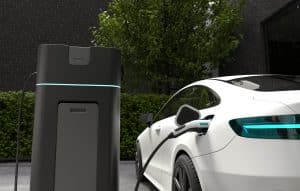
Significant policy changes and strategic investments are indispensable for realizing the transformative potential of the future of transportation in the US. Government at federal, state, and local levels plays a crucial role in setting standards, providing funding, and creating incentives that accelerate the adoption of electric vehicles, the deployment of autonomous technologies, and the expansion of public transit. Without coordinated efforts, progress will be fragmented and slow.
These policy decisions directly impact infrastructure development, research and development, and consumer behavior, ultimately shaping the pace and direction of transportation evolution. Public-private partnerships are also key to mobilizing the vast resources required for these ambitious endeavors.
Federal Initiatives and Funding
The federal government has introduced various initiatives aimed at bolstering sustainable transportation. These include tax credits for EV purchases, funding for charging infrastructure, and grants for public transit projects. Legislation like the Bipartisan Infrastructure Law allocates billions of dollars towards modernizing roads, bridges, and public transit systems, as well as building out a national EV charging network.
These investments are designed to stimulate economic growth, create jobs, and ensure that the US remains competitive in the global race for advanced transportation solutions. They also aim to address long-standing inequities in access to reliable transportation.
State and Local Government’s Role
While federal policy provides a broad framework, state and local governments are instrumental in implementing specific programs and tailoring solutions to local needs. This includes developing zoning regulations for EV charging, creating dedicated lanes for autonomous vehicles, and planning for transit-oriented development around public transportation hubs.
- State-level incentives for EV adoption, such as rebates and registration fee reductions.
- Local urban planning that prioritizes pedestrian and cyclist infrastructure.
- Development of smart city initiatives that integrate various transportation data streams.
- Creation of pilot programs for autonomous shuttles in specific areas.
Effective governance and sustained investment are the bedrock upon which a truly modern and sustainable transportation system will be built. These efforts ensure that the benefits of technological advancements reach all communities, making transportation more efficient, cleaner, and more accessible nationwide.
Social and Economic Impacts: A Shifting Landscape
The evolution of transportation in the US, particularly with the growth of electric vehicles, autonomous cars, and enhanced public transit, will have profound social and economic impacts. These changes will redefine urban landscapes, reshape job markets, influence personal finances, and alter societal norms around travel and ownership. Understanding these shifts is crucial for communities to adapt and thrive.
The transition promises numerous benefits, such as improved public health through cleaner air and reduced noise pollution, and increased productivity from less congested commutes. However, it also presents challenges that require careful consideration and proactive planning.
Job Market Transformation
The shift towards EVs and AVs will undoubtedly transform the automotive industry’s job market. While some traditional manufacturing jobs related to internal combustion engines may decline, new opportunities will emerge in battery production, EV charging infrastructure installation and maintenance, software development for autonomous systems, and data analytics.
Public transit expansion will also generate jobs in construction, operations, and maintenance, contributing to local economies. Re-skilling and training programs will be essential to ensure a smooth transition for the workforce.
Urban Planning and Accessibility
The widespread adoption of autonomous vehicles could lead to reduced demand for parking spaces, freeing up valuable urban land for other uses like housing, parks, or commercial developments. Public transit improvements can foster denser, more walkable communities around transit hubs, reducing urban sprawl.
- Autonomous ride-sharing services could increase mobility for the elderly and disabled.
- Cleaner transportation options contribute to better air quality in urban centers.
- Reduced traffic congestion can improve overall city livability and productivity.
- New urban designs may prioritize pedestrian zones and green spaces over vehicle infrastructure.
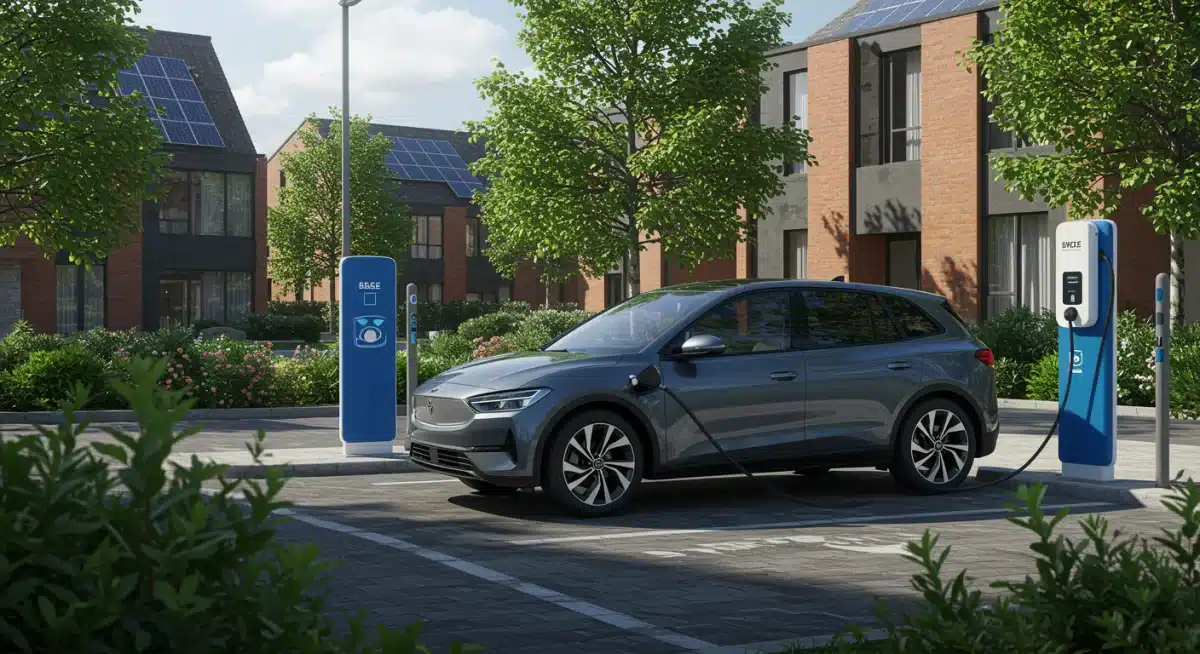
These transformative changes in transportation have the potential to create more inclusive, efficient, and environmentally friendly communities. Addressing potential challenges, such as equitable access to new technologies and managing the transition for affected industries, will be key to maximizing these benefits for all Americans.
| Key Aspect | Brief Description |
|---|---|
| Electric Vehicles | Rapid growth driven by tech advancements and infrastructure expansion for sustainable mobility. |
| Autonomous Cars | Promising enhanced safety and efficiency, with ongoing development and regulatory challenges. |
| Public Transit | Modernization and expansion are crucial for urban sustainability and equitable access. |
| Intermodal Synergy | Seamless integration of different transport modes for optimal efficiency and convenience. |
Frequently Asked Questions About US Transportation
The growth of EVs is primarily driven by environmental concerns, advancements in battery technology, government incentives like tax credits, and the expansion of charging infrastructure, making them increasingly practical and appealing to consumers.
Autonomous cars are expected to significantly reduce traffic accidents by eliminating human error. They could also optimize traffic flow, leading to less congestion and more efficient use of road space in urban areas, improving overall safety and commutes.
Public transit is crucial for sustainable urban development, reducing reliance on private cars, easing congestion, and lowering emissions. Modernization and expansion efforts aim to make it a more attractive and accessible option for all Americans.
Challenges include technological perfection for diverse driving conditions, establishing robust regulatory frameworks, addressing cybersecurity concerns, and building public trust through rigorous safety testing and transparent communication about their capabilities.
Effective integration involves creating seamless connections between EVs, public transit, ride-sharing, and micro-mobility. This requires smart infrastructure, unified payment systems, and data-driven planning to offer convenient, multi-modal travel options.
Conclusion
The future of transportation in the US is a dynamic and multifaceted landscape, promising transformative changes through the widespread adoption of electric vehicles, the ongoing development of autonomous driving technologies, and a renewed commitment to robust public transit systems. These innovations, supported by strategic policy and investment, are set to create a more sustainable, efficient, and equitable mobility ecosystem. While challenges remain, the integrated approach to transportation holds the key to cleaner air, safer roads, and enhanced accessibility for all Americans, fundamentally reshaping how we live and interact with our environment.