Save Money on Groceries: Cut Your Food Bill by 30% in the USA
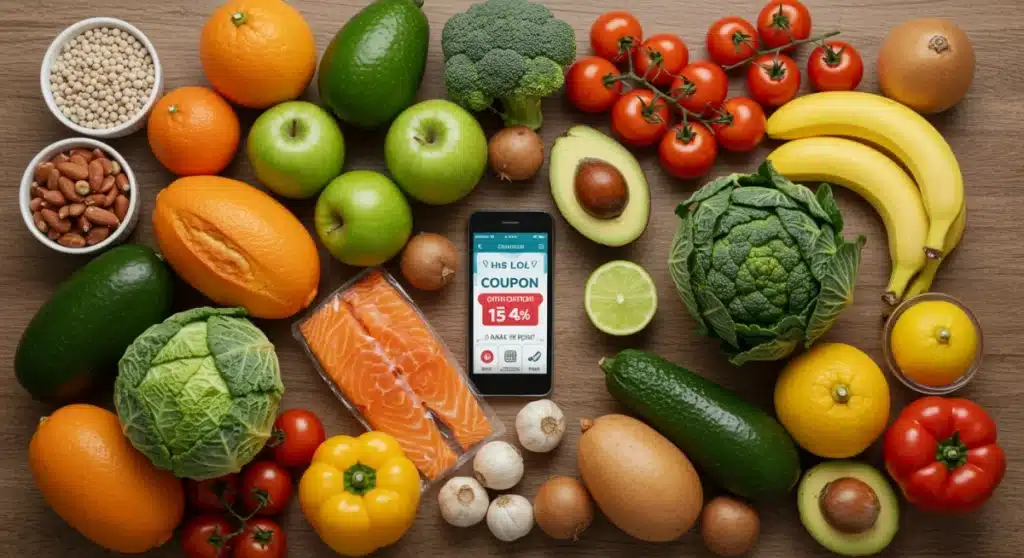
By strategically implementing coupons, comprehensive meal planning, and utilizing price comparison apps, US consumers can significantly reduce their grocery expenditures, often by 30% or more, transforming their financial habits.
In the current economic climate, finding effective ways to manage household expenses is more crucial than ever. For many American families, the grocery bill represents one of the most substantial variable costs. This article will explore how you can effectively save money on groceries by leveraging powerful tools and strategies such as coupons, meticulous meal planning, and innovative price comparison apps, potentially cutting your food bill by a remarkable 30% in the USA.
The Rising Cost of Groceries and Why Saving Matters
The price of food has been steadily climbing, impacting budgets across the nation. Understanding the factors driving these increases is the first step toward regaining control over your grocery spending. From supply chain disruptions to inflation, various elements contribute to the higher costs you see at the checkout counter.
Saving money on groceries isn’t just about cutting costs; it’s about smart financial management and ensuring your household budget remains healthy. Every dollar saved on food can be redirected towards other financial goals, such as debt reduction, savings, or investments. It empowers consumers to make informed choices and become more resilient against economic fluctuations.
Understanding Inflation’s Impact on Your Food Budget
Inflation erodes purchasing power, meaning your money buys less than it used to. For groceries, this translates to higher prices for staples like milk, eggs, meat, and fresh produce. Recognizing this trend is vital for adopting proactive saving strategies rather than simply reacting to sticker shock.
- Identify frequently purchased items most affected by price hikes.
- Track price changes over time for essential goods.
- Adjust purchasing habits to prioritize value and necessity.
The cumulative effect of small savings can be substantial over time. By diligently applying various strategies, you can mitigate the impact of rising costs and ensure your family continues to eat well without overspending. It’s about being strategic and consistent in your approach to grocery shopping.
Mastering Meal Planning for Maximum Savings
Meal planning is arguably the most powerful tool in your arsenal to save money on groceries. It transforms chaotic, impulsive shopping trips into organized, cost-effective expeditions. A well-thought-out meal plan reduces food waste, prevents unnecessary purchases, and ensures you’re buying only what you need.
The process involves more than just jotting down dinner ideas; it requires a holistic approach to your weekly or bi-weekly food consumption. From breakfast to dinner and snacks in between, every meal presents an opportunity to optimize your spending and maximize your ingredients.
Creating an Effective Weekly Meal Plan

Start by assessing your current pantry and refrigerator contents. What ingredients do you already have that can be incorporated into upcoming meals? This prevents duplication and ensures older items are used before they expire. Next, consider your family’s preferences and dietary needs, then build meals around sale items and seasonal produce.
- Inventory existing food items before planning.
- Browse weekly store ads for sales and promotions.
- Plan meals that use similar ingredients to minimize waste.
- Factor in leftovers for lunches or future dinners.
Once your meal plan is solid, create a corresponding grocery list. Stick to this list rigorously while shopping. This discipline is paramount to avoiding impulse buys, which are often the biggest budgetbusters. Remember, a plan is only effective if you follow it.
Leveraging Coupons and Discounts Effectively
Coupons and discounts are classic methods for saving money, but their effectiveness depends on strategic application. Simply clipping every coupon you find isn’t enough; true savings come from combining coupons with sales and understanding pricing cycles. This approach can lead to significant reductions in your overall grocery bill.
Many consumers overlook the potential of coupons, perhaps finding the process tedious or believing the savings are minimal. However, with a targeted approach, couponing can yield substantial benefits, especially when paired with other saving strategies. It requires a bit of research and organization, but the financial rewards are well worth the effort.
Where to Find the Best Coupons and Deals
Coupons are everywhere if you know where to look. Traditional sources like newspaper inserts (often found in Sunday papers) are still relevant. However, the digital age has opened up a plethora of online avenues for savings.
- Manufacturer websites often offer printable coupons.
- Grocery store apps frequently provide digital coupons that can be loaded directly to your loyalty card.
- Third-party coupon websites and apps aggregate deals from various sources.
- Check store flyers and weekly ads for in-store promotions and BOGO (Buy One Get One) offers.
The key is to match your coupons with items you genuinely need and that are already on sale. A coupon for an item not on your list, or for a product you don’t typically use, isn’t a saving; it’s an unnecessary purchase. Focus on maximizing savings on your essential items.
Harnessing the Power of Price Comparison Apps
In today’s competitive grocery landscape, prices can vary significantly between stores, even within the same neighborhood. Price comparison apps have emerged as invaluable tools, empowering shoppers to find the best deals without physically visiting multiple locations. These apps put real-time pricing information at your fingertips, making it easier to save money on groceries.
These digital assistants can save you time and money by streamlining the comparison process. Instead of guessing which store has the lowest price on chicken breasts or organic produce, you can consult an app and make an informed decision before you even leave your home. This level of transparency is a game-changer for budget-conscious shoppers.
Top Price Comparison Apps for Groceries in the USA
Several excellent apps cater to the grocery shopper seeking the best prices. Each app might have slightly different features, so exploring a few to find what best suits your shopping habits is advisable. Some popular choices include:
- Flipp: Digital circulars, coupons, and shopping list integration.
- Basket: Compares prices across local stores for specific items.
- Favado: Identifies sales and coupon matchups.
- Ibotta: Offers cash back on everyday purchases, often combined with in-store sales.
Using these apps effectively means checking them regularly before and during your shopping trip. They can highlight unexpected deals or confirm that your chosen store indeed offers the best value for your planned purchases. Consistency in checking these resources is key to unlocking their full saving potential.

Smart Shopping Habits Beyond Coupons and Apps
While coupons, meal planning, and price comparison apps are potent tools, a holistic approach to saving money on groceries involves cultivating smart shopping habits. These practices can further amplify your savings, making your grocery budget stretch even further. It’s about being mindful of your choices and understanding the psychology of grocery stores.
Many subtle factors influence your spending, from store layout to marketing tactics. By becoming a more aware shopper, you can navigate these influences and make decisions that align with your financial goals rather than succumbing to impulse purchases. These habits are easy to adopt and incredibly effective in the long run.
Essential Tips for a Frugal Grocery Trip
Before you even step into the store, preparing yourself mentally and practically can make a huge difference. Avoid shopping when hungry, as this often leads to buying more than you need or opting for less healthy, more expensive items. A full stomach helps you stick to your list and make rational choices.
- Shop with a detailed list and stick to it religiously.
- Avoid shopping when hungry to prevent impulse buys.
- Buy store brands or generic versions for staples; they often offer comparable quality at a lower price.
- Purchase non-perishable items in bulk when they are on sale.
- Consider shopping at discount grocery stores or farmers’ markets for better deals on produce.
Another crucial habit is to track your spending. Knowing exactly where your money goes helps identify areas for further optimization. Use a simple spreadsheet or a budgeting app to monitor your grocery expenses and celebrate your savings.
Reducing Food Waste to Maximize Savings
Food waste is a significant drain on household budgets, with American families reportedly throwing away a substantial amount of edible food each year. Addressing food waste is not only environmentally responsible but also a highly effective way to save money on groceries. Every item that spoils before being consumed represents money literally thrown into the trash.
Minimizing food waste requires a combination of smart planning, proper storage, and creative cooking. It’s about valuing every ingredient you purchase and ensuring it serves its purpose before its expiration date. This mindful approach to food consumption can lead to substantial savings over time.
Practical Strategies to Prevent Food Spoilage
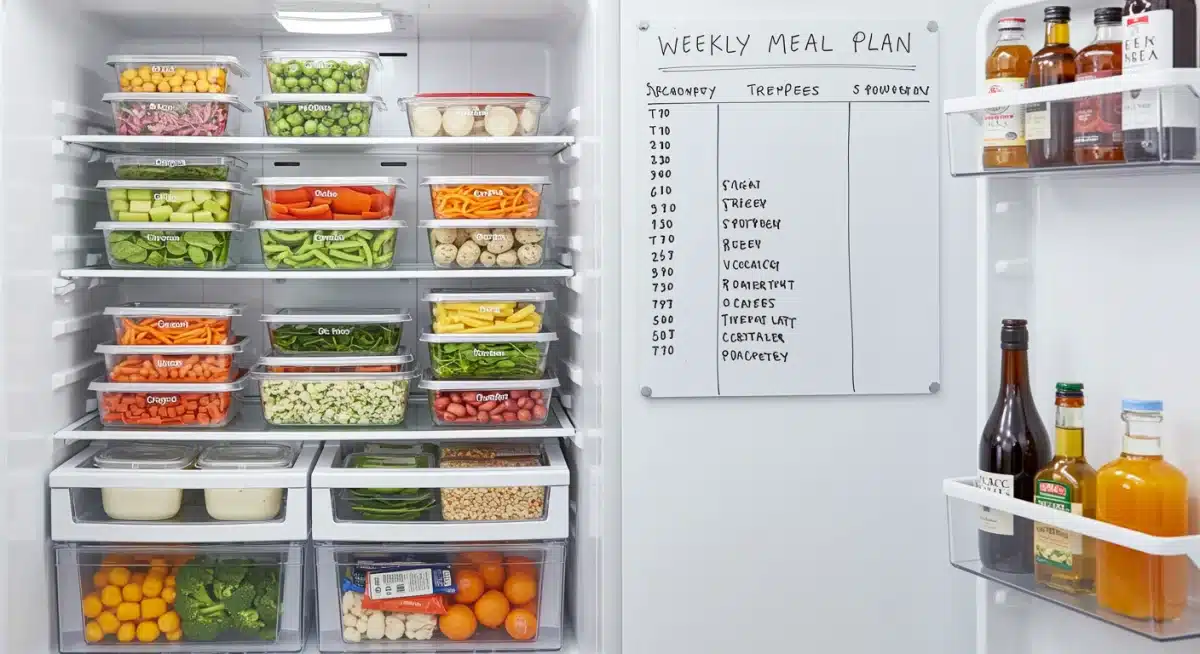
Effective food storage is paramount to extending the shelf life of your groceries. Understanding how to properly store different types of food can prevent premature spoilage and ensure you get the most out of your purchases. This includes everything from fresh produce to leftovers.
- Store fruits and vegetables correctly; some produce ripens faster near others.
- Use airtight containers for leftovers to maintain freshness.
- Freeze excess portions of meals or ingredients you won’t use immediately.
- Practice FIFO (First In, First Out) with your pantry and refrigerator items.
- Repurpose leftovers into new meals to avoid repetition and boredom.
Beyond storage, creative cooking plays a vital role. Learn to use vegetable scraps for broths, transform wilting greens into a sauté, or blend overripe fruits into smoothies. These small actions contribute significantly to reducing waste and enhancing your overall financial efficiency in the kitchen.
Long-Term Strategies for Sustainable Grocery Savings
Achieving a 30% reduction in your grocery bill isn’t a one-time achievement; it’s a sustainable practice built on consistent effort and evolving strategies. To maintain these savings, it’s essential to integrate these methods into your long-term financial habits. This involves continuous learning, adaptation, and a commitment to mindful consumption.
The grocery landscape is constantly changing, with new products, sales cycles, and technologies emerging. Staying informed and flexible will ensure your saving strategies remain effective. Think of it as an ongoing project with continuous opportunities for improvement.
Cultivating a Frugal Food Mindset
A key element of long-term savings is developing a frugal food mindset. This involves a shift in perspective, viewing grocery shopping as an opportunity to be resourceful and creative rather than a chore. It’s about finding joy in making smart choices and seeing the tangible benefits in your budget.
- Regularly review and adjust your meal plans based on seasonal availability and sales.
- Experiment with cooking from scratch more often to reduce reliance on expensive convenience foods.
- Consider growing some of your own produce, even if it’s just a small herb garden.
- Educate yourself on unit pricing to always identify the best value.
- Involve the whole family in meal planning and cooking to foster a collective saving effort.
By consistently applying these techniques and fostering a mindful approach to food, you can not only save money on groceries but also develop healthier eating habits and a more sustainable lifestyle. The journey to a 30% reduction in your food bill is achievable with dedication and the right tools.
| Key Strategy | Brief Description |
|---|---|
| Meal Planning | Organize weekly meals, inventory pantry, and create a strict shopping list to prevent waste and impulse buys. |
| Couponing | Utilize digital and physical coupons, matching them with sales for maximum savings on essential items. |
| Price Comparison Apps | Use apps like Flipp or Basket to compare prices across local stores and find the best deals in real-time. |
| Reduce Food Waste | Implement proper storage, creative cooking, and freezing techniques to extend food life and save money. |
Frequently Asked Questions About Grocery Savings
By consistently applying strategies like meal planning, couponing, and using price comparison apps, it’s realistic for an average American household to save 20-30% on their monthly grocery expenses. Some dedicated individuals even achieve higher savings.
Digital coupons often offer convenience and can be loaded directly to loyalty cards, sometimes stacking with other offers. While physical coupons still exist, digital options are becoming increasingly prevalent and user-friendly, providing significant savings opportunities.
Begin by planning just a few dinners for the week, incorporating ingredients you already have. Gradually expand to include lunches and breakfasts. Focus on simple, flexible meals that can use similar ingredients to reduce waste and complexity.
Absolutely. For everyday staples, prices can fluctuate significantly between stores. Price comparison apps quickly show you where to find the best deals, preventing you from overpaying and ensuring you maximize savings on frequently purchased goods.
Involve your family in meal planning to ensure their preferences are considered. Offer a variety of healthy options and creatively repurpose leftovers into new, appealing dishes. Proper portion control and storage also play a crucial role in minimizing waste.
Conclusion
The journey to significantly reduce your grocery bill, potentially by 30% or more, is entirely achievable with a combination of strategic planning and mindful execution. By consistently integrating meal planning, actively seeking out and utilizing coupons, and leveraging the power of price comparison apps, you empower yourself to make smarter financial decisions at the supermarket. Beyond these tools, cultivating smart shopping habits and diligently working to reduce food waste will further amplify your savings. This comprehensive approach not only safeguards your budget against rising food costs but also fosters a more sustainable and efficient household economy. Embrace these strategies, and watch your savings grow.