Cash Back Apps: Get Paid 3% for Shopping at Your Favorite Stores

Cash back apps provide a simple method to earn money back on daily purchases, frequently offering 3% or more at popular retailers, effectively converting regular spending into valuable savings.
Imagine turning your everyday shopping into a consistent stream of savings. With the rise of cash back apps, this isn’t just a fantasy; it’s a tangible reality for millions of consumers across the United States. These innovative platforms are reshaping how we approach spending, offering you the opportunity to get paid 3% or even more for shopping at your favorite stores, seamlessly integrating financial rewards into your daily routine.
The rise of cash back apps: a financial revolution
Cash back apps have rapidly evolved from niche tools to mainstream financial instruments. They represent a significant shift in consumer spending, allowing individuals to recoup a portion of their expenditures without altering their purchasing habits dramatically. This financial revolution is driven by technology that connects shoppers, retailers, and financial incentives in a user-friendly ecosystem.
At its core, the appeal of these apps lies in their simplicity and the tangible benefit they provide. Who wouldn’t want to receive money back on items they were already planning to buy? This concept, once primarily associated with credit cards, has been democratized and made accessible through smartphone applications, opening up a world of savings to a broader audience.
Understanding how cash back apps work
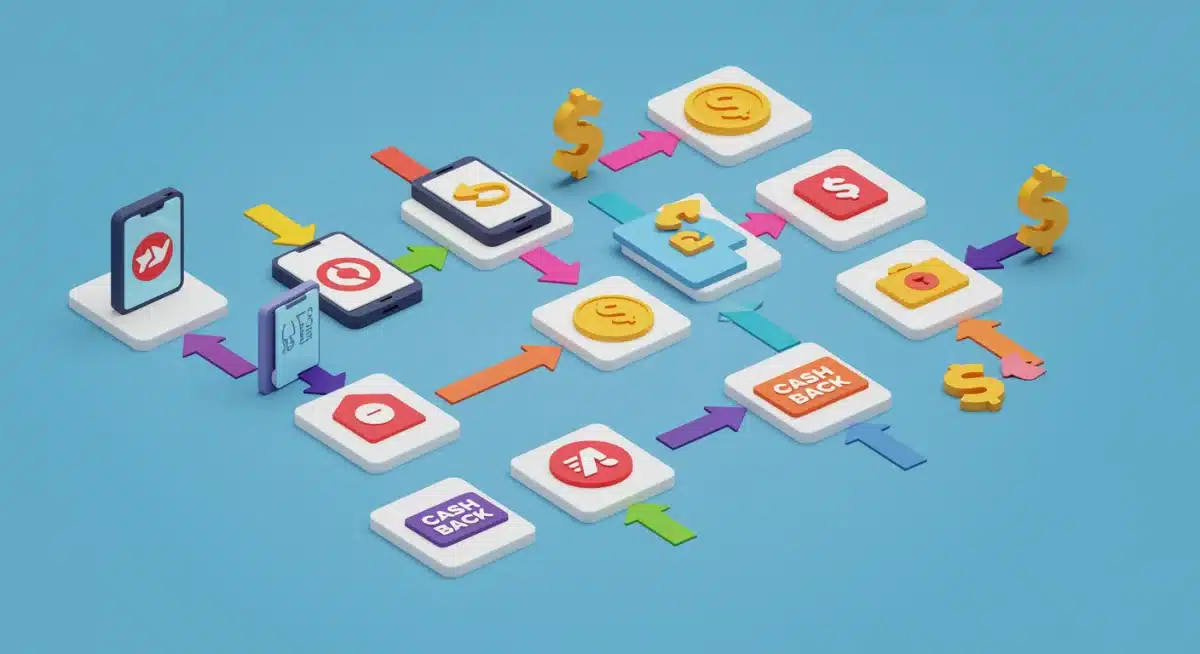
The mechanics behind cash back apps are surprisingly straightforward, yet powerful. When you use these apps, they act as an intermediary between you and the retailer. Retailers pay the app a commission for driving sales, and the app, in turn, shares a portion of that commission with you, the consumer. This creates a win-win situation where businesses gain customers and sales, and shoppers receive financial incentives.
- Affiliate Partnerships: Many apps operate through affiliate marketing, earning a commission from retailers for every sale generated through their platform.
- Data Insights: Some apps leverage anonymized shopping data to offer personalized deals, further enhancing the user experience and potential savings.
- Direct Integrations: Others integrate directly with payment systems or loyalty programs, making the earning process even more seamless.
The beauty of this model is its flexibility. Whether you’re shopping for groceries, clothes, electronics, or even booking travel, there’s likely a cash back app designed to help you save. It’s about making your money work harder for you, ensuring that every dollar spent has the potential to return a fraction of its value.
In essence, cash back apps have transformed passive consumption into an active opportunity for financial gain. They empower consumers to be more deliberate with their spending, not by restricting purchases, but by rewarding them, fostering a more conscious and economically savvy approach to shopping.
Maximizing your earnings: strategies for smart saving
While the basic premise of cash back apps is simple, maximizing your earnings requires a strategic approach. It’s not just about downloading an app; it’s about understanding how to integrate these tools effectively into your shopping habits to unlock their full potential. The goal is to accumulate significant savings over time without feeling like you’re going out of your way.
Smart shoppers don’t just use one app; they often leverage several, understanding that different apps specialize in different types of rewards or retailers. This multi-app strategy can significantly boost your overall cash back accumulation, turning small percentages into substantial returns.
Choosing the right apps for your lifestyle
The market is saturated with various cash back apps, each with its unique features, partnerships, and payout methods. Identifying the ones that best align with your spending habits is crucial. Do you frequent specific grocery stores? Are you an avid online shopper? Your answers will guide you toward the most beneficial platforms.
- Grocery-focused apps: Ideal for daily essentials, offering rebates on specific items or entire shopping trips.
- Online shopping portals: Perfect for e-commerce, providing cash back percentages on purchases made through their links.
- Dining and entertainment apps: Cater to leisure activities, giving you back a portion of your restaurant bills or event tickets.
Beyond the type of app, consider factors like payout thresholds, redemption options (e.g., PayPal, gift cards, direct deposit), and user reviews. An app with a high cash back rate is less useful if its payout process is cumbersome or unreliable.
Furthermore, pay attention to special promotions and bonus offers. Many apps frequently run limited-time deals that can significantly increase your cash back earnings on certain purchases. Staying informed about these opportunities is a key component of a successful cash back strategy.
By thoughtfully selecting and utilizing a portfolio of cash back apps, consumers can transform routine spending into a powerful financial tool, consistently earning rewards on purchases they would make anyway. This proactive approach to saving is what truly sets apart the savvy shopper.
Popular cash back apps and their unique offerings
The landscape of cash back apps is diverse, with each platform carving out its own niche. Understanding the unique offerings of the most popular apps can help you make informed decisions about which ones to integrate into your financial routine. From general shopping to specific categories, there’s an app designed for almost every type of consumer.
These apps often differentiate themselves through their network of partnered stores, the percentage of cash back offered, and their user interface and experience. Some might appeal to those who prefer simplicity, while others cater to users looking for more advanced features and deeper insights into their spending.
Top contenders in the cash back arena
Several apps have risen to prominence due to their reliability, extensive retailer networks, and user-friendly designs. These platforms consistently deliver on their promise of putting money back into consumers’ pockets, making them go-to choices for cash back enthusiasts.
- Rakuten (formerly Ebates): Renowned for online shopping, Rakuten offers cash back at thousands of stores, often with double cash back events. Users simply start their shopping journey through the Rakuten app or website.
- Ibotta: Popular for groceries, Ibotta allows users to earn cash back on specific items by scanning receipts or linking loyalty cards. It also offers rewards for online and in-store purchases at various retailers.
- Fetch Rewards: This app makes earning incredibly easy by simply scanning any grocery, retail, or restaurant receipt. It awards points for purchases, which can then be redeemed for gift cards.
- Dosh: Dosh offers passive cash back by linking your credit or debit card. When you shop at participating stores or restaurants, cash back is automatically applied to your Dosh wallet.
Each of these apps brings a slightly different flavor to the cash back experience. Rakuten excels in broad online retail, Ibotta is a champion for grocery savings, Fetch Rewards offers universal receipt scanning, and Dosh provides hands-free earning. Depending on your primary spending categories, one or a combination of these might be your ideal solution.
Exploring these options and perhaps even trying a few simultaneously can help you discover which apps best fit your personal shopping habits and yield the most significant returns. The key is to find a system that works seamlessly for you without adding unnecessary complexity to your daily life.
The financial impact: how 3% can add up
While 3% cash back per purchase might seem like a modest amount, its cumulative effect over time can be surprisingly substantial. Many consumers underestimate the power of consistent small savings, but when applied to all your regular expenditures, this percentage can significantly enhance your financial well-being. It’s about recognizing the long-term value in every transaction.
Consider your monthly budget. Every dollar spent on groceries, gas, clothing, or household items represents an opportunity for a return. Over a year, these small percentages can translate into hundreds, if not thousands, of dollars back in your pocket, effectively reducing your overall cost of living.
Real-world examples of cash back savings
Let’s break down how 3% can impact your finances with some hypothetical scenarios. These examples illustrate the tangible benefits of consistently utilizing cash back apps for your everyday spending.
- Grocery Budget: If your household spends $600 per month on groceries, a consistent 3% cash back yields $18 per month, or $216 annually. This could cover a utility bill or a small subscription service.
- Online Shopping: For someone who spends $300 monthly on online purchases (clothing, electronics, home goods), 3% cash back amounts to $9 monthly, or $108 per year. This is essentially a free shopping trip.
- Combined Spending: If you combine groceries, online shopping, and other eligible purchases totaling $1,000 per month, 3% cash back translates to $30 a month, or $360 annually. This could be a nice boost to your savings account or an extra payment towards debt.
These figures demonstrate that cash back isn’t just pocket change; it’s a legitimate strategy for augmenting your income or boosting your savings. The key is consistency and integrating these apps into your spending habits rather than seeing them as an occasional bonus. It’s a passive form of income that requires minimal effort once set up.
The true financial impact lies in understanding that every purchase is an investment in your future savings. By actively seeking out and utilizing cash back opportunities, you’re not just shopping; you’re strategically managing your personal finances to achieve greater economic efficiency.
Beyond the percentage: understanding payout options and terms
While the allure of earning 3% or more cash back is undeniable, a comprehensive understanding of an app’s payout options and terms is equally important. The best cash back rate means little if the redemption process is inconvenient, or if the terms and conditions are unfavorable. It’s crucial to look beyond the headline percentage and dive into the practicalities of getting your money.
Different apps offer various methods for receiving your earned cash back, and each comes with its own set of rules, minimum thresholds, and processing times. Being informed about these details ensures a smooth and satisfying experience, turning your earnings into usable funds.
Navigating redemption methods and minimums
The flexibility and accessibility of your earned cash back can significantly influence your overall satisfaction with an app. Most platforms offer a range of redemption options, catering to different user preferences. Understanding these choices, along with any associated minimums, is key to effectively managing your rewards.
- Direct Deposit: Many apps allow you to transfer your cash back directly to your bank account, offering the most straightforward access to your funds.
- PayPal: A popular option for online users, PayPal provides a convenient way to receive and manage your cash back, often with lower minimum payout thresholds.
- Gift Cards: Some apps offer gift cards to various retailers as a redemption option, sometimes even providing a bonus percentage for choosing this method.
- Check by Mail: While less common now, some apps still offer the option to receive a physical check, appealing to those who prefer traditional banking methods.
It’s also vital to be aware of any minimum payout thresholds. An app might offer fantastic cash back rates, but if you need to accumulate $25 or more before you can withdraw, it might take a while to see your earnings, especially if your spending is modest. Opt for apps with lower or no minimums if you prefer more frequent access to your cash back.
Furthermore, pay attention to expiration policies for earned cash back or any inactivity fees. While most reputable apps don’t have these, it’s always wise to review the terms to ensure your hard-earned money doesn’t disappear. A clear understanding of these aspects ensures that your cash back journey is both rewarding and hassle-free.
Security and privacy: safeguarding your data with cash back apps
In an increasingly digital world, the security and privacy of your personal and financial data are paramount. When engaging with cash back apps, it’s natural to have concerns about how your information is collected, stored, and utilized. Reputable apps prioritize these aspects, implementing robust measures to protect their users.
Understanding the security protocols and privacy policies of the apps you use is not just a recommendation; it’s a necessity. This knowledge empowers you to make informed decisions and ensures that your pursuit of savings doesn’t come at the cost of your digital safety.
Protecting your financial information
Cash back apps often require access to certain personal data, such as your email, payment card details, or shopping habits, to function effectively. Therefore, it’s essential to choose apps that demonstrate a strong commitment to data protection and transparency.
- Encryption: Look for apps that use industry-standard encryption (like SSL/TLS) to protect your data during transmission and storage.
- Data Anonymization: Many apps anonymize and aggregate user data for market research, ensuring individual spending patterns cannot be traced back to you.
- Secure API Integrations: When linking bank accounts or credit cards, ensure the app uses secure, tokenized API integrations, preventing direct access to your sensitive login credentials.
Before signing up, take the time to review the app’s privacy policy. This document should clearly outline what data is collected, how it’s used, and whether it’s shared with third parties. A transparent policy is a strong indicator of a trustworthy platform.
Additionally, practice good digital hygiene: use strong, unique passwords for each app, enable two-factor authentication if available, and regularly monitor your linked accounts for any suspicious activity. By combining diligent app selection with personal security practices, you can enjoy the benefits of cash back apps with peace of mind.
Ultimately, the balance between convenience, rewards, and security is key. By choosing wisely and staying vigilant, you can confidently navigate the world of cash back apps, securing your savings without compromising your digital footprint.
The future of cash back: innovation and emerging trends
The landscape of cash back apps is constantly evolving, driven by technological advancements and changing consumer expectations. What started as simple rebate programs is now transforming into sophisticated platforms that offer personalized rewards, integrate with smart home devices, and even leverage artificial intelligence to optimize savings. The future promises an even more seamless and integrated experience for shoppers.
Emerging trends suggest a move towards hyper-personalization, where cash back offers are tailored precisely to an individual’s spending patterns and preferences, maximizing relevance and potential savings. This shift will make cash back an even more integral part of the modern consumer’s financial toolkit.
Integrating AI and personalized reward systems
One of the most exciting developments in the cash back space is the increasing integration of artificial intelligence and machine learning. These technologies enable apps to analyze vast amounts of data, predict consumer behavior, and deliver highly personalized offers that are more likely to resonate with users.
- Predictive Analytics: AI can anticipate your future purchasing needs based on past behavior, proactively suggesting relevant cash back deals.
- Dynamic Pricing & Offers: Some platforms may soon offer dynamic cash back rates that adjust based on real-time market conditions or individual shopping frequency.
- Seamless Integration: Future apps could integrate more deeply with digital wallets and smart devices, making cash back redemption almost invisible and instantaneous.
Beyond personalization, we can expect to see more apps incorporating gamification elements, turning saving money into an engaging and interactive experience. Challenges, streaks, and community features could further motivate users to maximize their cash back earnings.
The expansion into new categories is also a significant trend. While traditional retail and groceries remain popular, expect cash back opportunities to grow in areas like subscription services, utility payments, and even healthcare-related expenses. The goal is to make every aspect of spending an opportunity for a return.
As these innovations take hold, cash back apps will likely become even more indispensable for financially savvy consumers. They will evolve beyond simple saving tools to become comprehensive financial companions, intelligently guiding users toward optimal spending and earning strategies in an increasingly complex marketplace.
Optimizing your cash back strategy: tips and best practices
To truly harness the power of cash back apps, it’s not enough to simply download them; you need to develop a strategic approach. Optimizing your cash back strategy involves a combination of smart choices, consistent effort, and a keen eye for opportunities. It’s about turning casual saving into a deliberate and effective financial habit.
The goal is to integrate these tools seamlessly into your daily life so that earning cash back becomes second nature, requiring minimal additional thought or effort. This means understanding the nuances of each app and how they complement your spending patterns.
Practical steps for maximizing your rewards
Implementing a few key best practices can significantly enhance your cash back earnings. These tips are designed to help you get the most out of every purchase and avoid common pitfalls that might limit your returns.
- Research and Compare: Don’t settle for the first app you find. Research different platforms to understand their strengths, weaknesses, and the stores they partner with.
- Link All Cards: If an app allows it, link all your commonly used credit and debit cards to ensure you never miss an automatic cash back opportunity.
- Check Before You Shop: Make it a habit to quickly check your preferred cash back apps before making any purchase, especially for larger items. A few seconds can save you dollars.
- Stack Offers: Where possible, combine cash back app offers with credit card rewards, store loyalty programs, and sales for maximum savings.
- Be Patient with Payouts: Understand that it might take time to reach payout thresholds or for cash back to process. Consistency is key, and the rewards will accumulate.
- Read the Fine Print: Always be aware of any exclusions, minimum purchase requirements, or expiry dates on offers.
Avoid the temptation to buy things you don’t need just to earn cash back. The primary purpose of these apps is to reward you for purchases you would already make, not to encourage unnecessary spending. Maintain your budget and use cash back as an added bonus, not a primary driver for purchases.
By adopting these best practices, you can transform your shopping from a mere expense into a rewarding financial activity. Cash back apps are powerful tools when used wisely, providing a consistent and enjoyable way to enhance your personal finances without significant effort.
| Key Aspect | Brief Description |
|---|---|
| Earning Mechanism | Apps partner with retailers, earning commissions that are shared with users as cash back, often 3% or more. |
| Maximizing Rewards | Utilize multiple apps, check for special offers, and align app choices with personal spending habits. |
| Payout Options | Various methods include direct deposit, PayPal, gift cards, with specific minimum thresholds and terms. |
| Security & Privacy | Choose reputable apps with strong encryption and transparent privacy policies; use strong passwords. |
Frequently asked questions about cash back apps
Cash back apps are mobile applications or browser extensions that reward you with a percentage of your purchase price back when you shop at participating retailers. They earn a commission from stores for directing customers, and then share a portion of that commission with you, creating a win-win for shoppers and businesses.
Yes, many cash back apps consistently offer 3% or higher at a wide range of popular stores and services. Some even provide special promotions or bonus events that can temporarily boost your earnings to 5%, 10%, or even more, particularly for new users or specific categories.
Reputable cash back apps prioritize security and use advanced encryption to protect your data. They often employ secure API integrations for linking cards and generally do not store your direct banking credentials. Always check an app’s privacy policy and reviews before linking sensitive information.
Consider your primary spending habits. If you buy groceries often, look for apps like Ibotta or Fetch Rewards. For online shopping, Rakuten is a strong contender. Review their partnered stores, payout methods, minimum thresholds, and user experiences to find the best fit for your lifestyle.
Often, yes! This is known as ‘stacking’ rewards. You can frequently combine cash back app earnings with store sales, coupon codes, and the rewards earned from your credit card. Always check the specific terms of each offer to ensure compatibility, but stacking can significantly amplify your overall savings.
Conclusion
The journey through the world of cash back apps reveals a powerful, yet often underutilized, tool for personal finance. By simply integrating these platforms into your existing shopping habits, you gain the ability to get paid a significant percentage, often 3% or more, on purchases you’re already making. This isn’t just about finding a good deal; it’s about fundamentally reshaping your relationship with spending, transforming every transaction into an opportunity for savings. As these apps continue to evolve with new technologies and personalized offers, they will undoubtedly become an even more indispensable part of a savvy consumer’s financial toolkit, proving that smart spending truly is smart earning.