Turn Spare Time into Cash: Deliver Food & Groceries for $20+/Hour
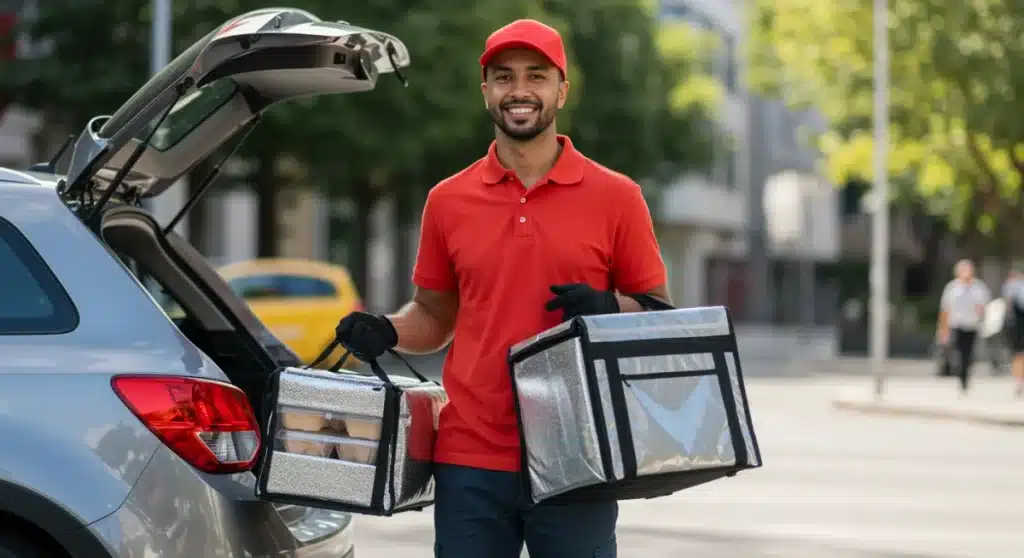
Leverage your available free time to deliver food and groceries, a flexible and accessible method for individuals to consistently earn upwards of $20 per hour in the United States.
Are you looking for a flexible way to boost your income and make the most of your free hours? Discover how you can turn spare time into cash: deliver food or groceries and earn $20+ per hour. This guide will walk you through the essentials of joining the dynamic gig economy, providing a clear path to financial flexibility and significant earnings.
Understanding the Gig Economy for Delivery Drivers
The gig economy has transformed how many Americans approach work, offering unprecedented flexibility and control over one’s schedule. For those seeking to earn extra income, becoming a delivery driver for food or groceries stands out as a highly accessible and rewarding option. It’s a sector that continues to grow, driven by consumer demand for convenience and the digital platforms that facilitate these services.
This section explores the fundamental aspects of the gig economy as it pertains to delivery services, dissecting what makes it an attractive proposition for individuals looking to monetize their spare time. We will delve into the practicalities, benefits, and potential challenges, ensuring a comprehensive understanding of this modern work landscape.
What is the Gig Economy?
The gig economy essentially refers to a labor market characterized by the prevalence of short-term contracts or freelance work, as opposed to permanent jobs. In this model, individuals contract with companies for specific tasks or projects, often through online platforms. For delivery drivers, this means signing up with apps like DoorDash, Uber Eats, Instacart, or Grubhub to deliver food or groceries to customers.
- Flexibility: Drivers choose when, where, and how much they work.
- Autonomy: You are your own boss, managing your schedule and workload.
- Low Barrier to Entry: Often requires only a car, smartphone, and valid driver’s license.
- Immediate Earnings: Payments are typically processed quickly, sometimes daily.
Why Delivery Services are Popular
The popularity of food and grocery delivery has soared, especially in recent years. This surge is fueled by busy lifestyles, a desire for convenience, and technological advancements that make ordering and tracking deliveries seamless. For drivers, this translates into a consistent demand for their services, offering ample opportunities to earn.
The business model is mutually beneficial: customers get their needs met without leaving home, and drivers gain a flexible income source. This symbiotic relationship forms the backbone of why delivering food and groceries remains a top choice for those looking to supplement their income or even make it a primary source.
Choosing the Right Delivery Platform for Maximum Earnings
With numerous delivery platforms vying for drivers, selecting the one that best suits your needs and maximizes your earning potential is crucial. Each platform has its unique operational model, payment structure, and customer base. Understanding these differences can significantly impact how much you can earn per hour and the overall quality of your delivery experience.
This section will guide you through the key considerations when choosing between popular platforms, helping you make an informed decision that aligns with your personal preferences and financial goals. We’ll examine the pros and cons of major players in the market.
Top Food Delivery Platforms
When it comes to food delivery, DoorDash, Uber Eats, and Grubhub are often the top contenders. Each has a strong market presence and offers different benefits for drivers.
- DoorDash: Known for its extensive reach and busy periods, often offering peak pay bonuses.
- Uber Eats: Integrates seamlessly with the Uber rideshare platform, providing opportunities for combined earnings.
- Grubhub: Tends to have a strong presence in certain metropolitan areas and offers scheduled blocks for guaranteed minimum earnings.
Consider the prevalence of each service in your specific area. A platform that is very popular in one city might be less so in another, directly affecting the volume of orders you receive.
Top Grocery Delivery Platforms
For grocery delivery, Instacart and Shipt are the dominant forces. These platforms involve more than just picking up and dropping off; they often require personal shopping, which can sometimes lead to higher tips but also takes more time.
- Instacart: Offers both full-service (shopping and delivery) and in-store shopper (shopping only) roles, allowing for different levels of engagement.
- Shipt: Focuses on personalized shopping experiences, often leading to repeat customers and consistent earnings for reliable shoppers.
Grocery delivery can be more lucrative due to larger order sizes and the personal effort involved in shopping. However, it also demands attention to detail and efficient time management. It’s essential to weigh whether you prefer the quick turnaround of food delivery or the potentially higher but more time-consuming nature of grocery shopping and delivery.
Maximizing Your Earnings: Strategies for $20+ Per Hour
Earning $20 or more per hour as a delivery driver is an achievable goal, but it requires strategic planning and efficient execution. It’s not just about accepting every order; it’s about making smart choices that optimize your time, minimize expenses, and capitalize on peak demand. Understanding the nuances of each platform and developing effective habits are key components to reaching this income target consistently.
This section provides actionable strategies and practical tips that seasoned drivers employ to maximize their hourly rate. From understanding surge pricing to managing your delivery routes, these insights will help you elevate your earning potential considerably.
Strategic Scheduling and Location
One of the most impactful ways to increase your hourly wage is by strategically choosing when and where you deliver. Demand for food and grocery delivery fluctuates significantly throughout the day and week.
- Peak Hours: Focus on lunch (11 AM – 1 PM) and dinner (5 PM – 9 PM) rushes, especially on weekdays and weekends. These times usually offer higher order volumes and often come with surge pricing or peak pay bonuses.
- Hotspots: Identify areas in your city with a high concentration of restaurants or grocery stores. Positioning yourself in these ‘hotspots’ reduces idle time between orders.
- Weather Conditions: Bad weather often deters customers from going out, leading to increased delivery orders. While it might be less pleasant to drive, these periods can be highly lucrative due to higher demand and potential incentives.
Monitoring in-app heat maps or demand indicators can help you pinpoint the best times and locations to be active, ensuring you’re always where the action is.
Optimizing Routes and Accepting Orders Wisely
Efficiency in navigating your routes and discerning which orders to accept are critical for maintaining a high hourly rate. Every minute counts, and every accepted order should contribute positively to your earnings.
Before accepting an order, quickly assess the estimated payout against the distance and estimated time. Some drivers use a rule of thumb, such as aiming for at least $1-$2 per mile. Rejecting low-paying, long-distance orders is a smart move, freeing you up for more profitable opportunities. Utilize navigation apps that provide real-time traffic updates and suggest the fastest routes to minimize travel time and fuel consumption.
Customer Service and Tips
Exceptional customer service can significantly boost your income through higher tips. A positive delivery experience encourages customers to leave a more generous gratuity, which can form a substantial portion of your earnings.
- Professionalism: Be polite, friendly, and communicative. A simple ‘enjoy your meal!’ goes a long way.
- Timeliness: Deliver orders promptly and keep customers informed of any delays.
- Accuracy: Double-check orders to ensure all items are present and correct.
- Follow Instructions: Pay close attention to delivery notes, such as specific drop-off locations or gate codes.
A well-maintained vehicle and a clean appearance also contribute to a positive impression, indirectly influencing customer satisfaction and tipping behavior. Remember, a happy customer is often a generous customer.
Essential Gear and Vehicle Maintenance for Delivery Drivers
Being a successful delivery driver goes beyond just having a car and a smartphone. Investing in the right gear and maintaining your vehicle are crucial steps to ensure efficiency, safety, and longevity in your gig. These practical considerations directly impact your ability to earn consistently and comfortably, preventing breakdowns and enhancing the overall delivery experience for both you and your customers.
This section outlines the essential equipment you’ll need and highlights the importance of regular vehicle maintenance. Proactive preparation in these areas can save you time, money, and hassle in the long run, allowing you to focus on maximizing your hourly earnings.
Must-Have Equipment
Having the right tools for the job can make a significant difference in your efficiency and customer satisfaction.
- Insulated Bags: Essential for keeping food hot or cold, ensuring quality upon arrival. Many platforms provide these, but having extra can be beneficial for larger orders.
- Phone Mount and Charger: A reliable phone mount keeps your navigation visible, and a car charger ensures your device doesn’t die mid-delivery.
- Portable Power Bank: A backup power source for your phone is invaluable, especially during long shifts.
- Comfortable Footwear: You’ll be getting in and out of your car frequently, so comfortable shoes are a must.
- Hand Sanitizer and Wipes: For personal hygiene and keeping your delivery space clean.
These items not only enhance your operational efficiency but also contribute to a professional image, which can indirectly lead to better tips and ratings.
Vehicle Maintenance Tips
Your vehicle is your primary tool for earning, and its reliability is paramount. Regular maintenance is not an option; it’s a necessity.
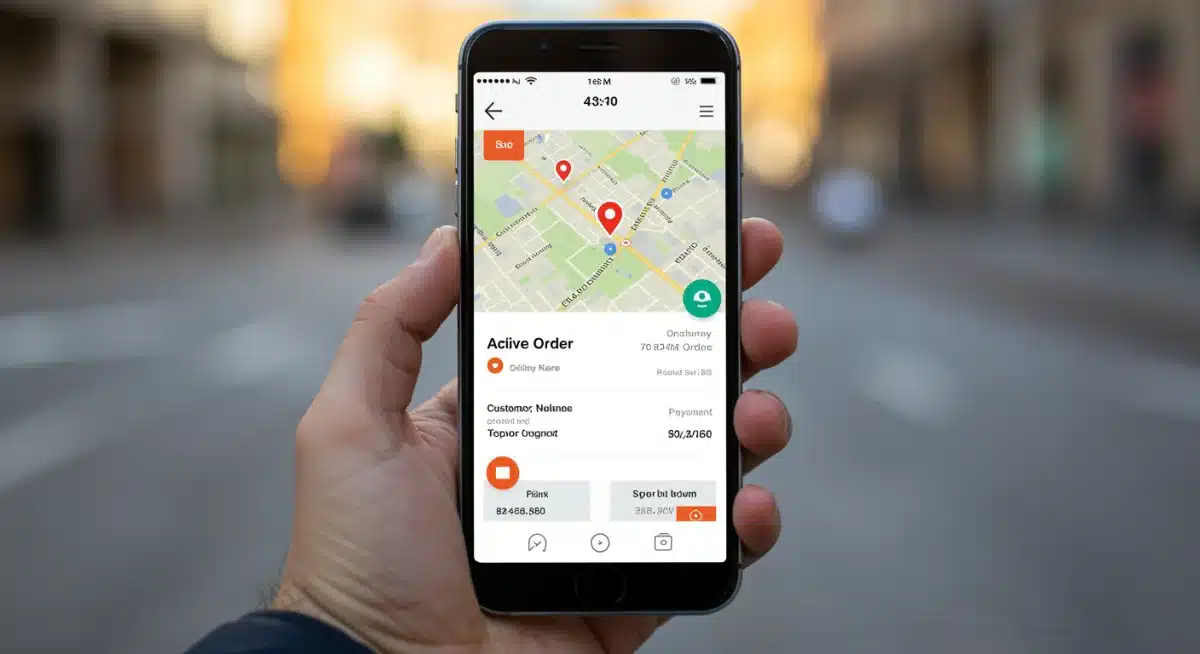
- Regular Oil Changes: Follow your car’s manufacturer recommendations to keep the engine running smoothly.
- Tire Checks: Ensure tires are properly inflated and have adequate tread. This affects fuel efficiency and safety.
- Brake Inspections: Critical for safety, especially with frequent stops and starts.
- Fluid Levels: Regularly check coolant, brake fluid, and windshield wiper fluid.
- Cleanliness: A clean car, both inside and out, reflects professionalism and provides a more pleasant experience for you and for any items being transported.
Keeping a log of your maintenance can help you stay on top of scheduled services and identify potential issues before they become major problems. Remember, preventative maintenance is always cheaper than emergency repairs.
Navigating Challenges and Ensuring Safety
While delivering food and groceries offers a flexible and profitable way to earn, it also comes with its own set of challenges, from unexpected delays to personal safety concerns. Being prepared for these eventualities is crucial for maintaining a positive experience and ensuring your well-being on the road. A proactive approach to problem-solving and safety can significantly enhance your effectiveness as a delivery driver.
This section addresses common challenges faced by delivery drivers and provides actionable advice on how to mitigate risks and ensure personal safety. Understanding these aspects will help you navigate your delivery shifts with greater confidence and efficiency.
Common Delivery Challenges and Solutions
Every delivery driver encounters hurdles, but knowing how to address them quickly can save time and prevent frustration.
- Traffic and Parking: Use GPS apps with real-time traffic updates. For parking, look for legal spots, even if it means a short walk, to avoid tickets.
- Customer Unavailability: Follow the app’s protocol for contacting customers. If unsuccessful, platforms usually provide guidance on how to proceed.
- Order Mistakes: Double-check orders at pickup. If an item is missing or incorrect, contact the restaurant or grocery store first, then the customer and support.
- Long Wait Times: If a restaurant or store is taking too long, politely inquire about the wait time. If it’s excessive, consider contacting support to unassign the order if it jeopardizes your hourly earnings.
Effective communication with both customers and platform support is your best tool for resolving most issues smoothly and maintaining good ratings.
Prioritizing Personal Safety
Your safety should always be the top priority. While most deliveries are straightforward, it’s wise to be aware of potential risks and take precautions.
- Awareness: Be alert to your surroundings, especially when delivering in unfamiliar or poorly lit areas.
- Night Deliveries: Consider carrying a flashlight. If you feel unsafe, trust your instincts and contact support. Some platforms allow you to decline deliveries to certain areas.
- Vehicle Security: Always lock your car, even for quick drop-offs. Keep valuables out of sight.
- Communication: Let a trusted friend or family member know your general work schedule and routes.
- Emergency Preparedness: Keep your phone charged and know how to contact emergency services quickly.
Most delivery apps have in-app safety features, such as emergency buttons or direct lines to support. Familiarize yourself with these tools before you start driving.
Financial Management and Tax Considerations for Gig Workers
As an independent contractor in the gig economy, managing your finances and understanding your tax obligations are just as important as maximizing your earnings. Unlike traditional employment, where taxes are typically withheld from your paycheck, gig workers are responsible for tracking their income and expenses, and for paying estimated taxes throughout the year. Proper financial planning ensures that your efforts to earn $20+ per hour truly translate into sustainable financial benefits.
This section will walk you through the essential aspects of financial management for delivery drivers, including budgeting, expense tracking, and navigating the complexities of self-employment taxes. Mastering these areas will help you retain more of your hard-earned money and avoid unwelcome surprises.
Tracking Income and Expenses
Accurate record-keeping is the cornerstone of sound financial management for gig workers. It not only helps you understand your true profitability but is also essential for tax purposes.
- Income Tracking: Keep a detailed record of all earnings from each platform. Most apps provide summaries, but it’s good practice to cross-reference.
- Expense Tracking: Document all work-related expenses. This includes mileage, fuel, vehicle maintenance, insulated bags, phone mounts, and even a portion of your phone bill.
- Mileage Log: The IRS allows deductions for business mileage. Use a mileage tracking app or manually log your starting and ending odometer readings for each shift.
There are numerous apps designed for gig workers, such as Stride or Everlance, that can automate expense and mileage tracking, simplifying your financial record-keeping.
Understanding Self-Employment Taxes
As an independent contractor, you are considered self-employed. This means you are responsible for paying self-employment taxes, which cover Social Security and Medicare taxes. Additionally, you’ll need to pay federal and state income taxes.
Since taxes are not withheld from your pay, you’ll likely need to pay estimated taxes quarterly. Failing to do so can result in penalties. It’s advisable to set aside a percentage of your earnings for taxes – a common recommendation is 25-30%, but this can vary based on your total income and deductions.
Consider consulting with a tax professional who specializes in gig economy income. They can provide personalized advice on deductions, credits, and tax planning strategies to minimize your tax burden legally. Understanding your tax obligations beforehand will prevent financial stress and ensure compliance with IRS regulations.
Long-Term Growth and Sustainability in Delivery Gigs
While delivering food and groceries offers immediate income, considering the long-term aspects of this gig can lead to greater financial stability and personal growth. It’s not just about earning today; it’s about building a sustainable income stream and leveraging the experience gained. Thinking beyond the immediate delivery and planning for the future can transform a temporary side hustle into a consistent and valuable part of your financial portfolio.
This section explores how to approach delivery gigs with a long-term mindset, focusing on strategies for sustained success, continuous improvement, and even potential avenues for expanding your gig economy ventures. It’s about making your spare time work harder for you, not just now, but for years to come.
Building a Strong Reputation and Customer Base
In the gig economy, your reputation is currency. High ratings and positive feedback can lead to more opportunities and potentially better-paying gigs. Consistent excellent service is the foundation of a strong reputation.
- Maintain High Ratings: Always strive for 5-star service. This includes punctuality, accuracy, and excellent communication.
- Become a Preferred Shopper/Driver: Some platforms allow customers to designate preferred drivers, leading to more consistent orders from good tippers.
- Professionalism: Treat every delivery as a professional interaction. Your demeanor can positively influence customer perception.
Over time, a stellar reputation can make you a sought-after driver, increasing your chances of securing profitable orders and reducing idle time.
Expanding Your Gig Economy Portfolio
Once you’ve mastered food and grocery delivery, consider diversifying your gig economy activities. The skills you develop – efficient navigation, customer service, time management – are transferable to other types of gigs.
- Package Delivery: Services like Amazon Flex or local courier services can offer additional income streams.
- Ridesharing: If your vehicle qualifies, ridesharing with Uber or Lyft can complement your delivery schedule, especially during non-peak delivery hours.
- Task-Based Gigs: Platforms like TaskRabbit offer opportunities for handyman services, moving help, or other local tasks.
Diversifying your income sources not only mitigates risk but also allows you to explore different types of work, potentially finding new passions and higher earning potentials. The gig economy is vast, and your initial success in delivery can be a springboard to other ventures.
| Key Aspect | Brief Description |
|---|---|
| Platform Choice | Select platforms active in your area (DoorDash, Instacart) for optimal order flow and earnings. |
| Earning Strategies | Focus on peak hours, hotspots, and high-value orders to maximize hourly income. |
| Essential Gear | Insulated bags, phone mount, and charger are crucial for efficiency and customer satisfaction. |
| Financial Management | Track income/expenses and plan for self-employment taxes to manage finances effectively. |
Frequently Asked Questions About Delivery Gigs
Most platforms allow you to start earning within a few days to a week after signing up, completing a background check, and setting up your driver profile. The process is typically straightforward and designed for quick onboarding, enabling you to monetize your spare time almost immediately.
Primary costs include fuel, vehicle maintenance, and potentially insulated bags. You might also factor in data usage for your smartphone and car insurance. Many of these expenses are tax-deductible, so keeping meticulous records is essential for financial benefits.
Yes, consistently earning $20+ per hour is achievable with strategic planning. This involves delivering during peak hours, choosing high-demand areas, optimizing routes, and providing excellent customer service to secure better tips. Efficiency and smart decision-making are key to maximizing your hourly rate.
While personal car insurance covers accidents, it might not cover incidents while you’re driving for commercial purposes. Many delivery platforms offer some form of supplemental insurance, but it’s crucial to check with your personal insurance provider about adding a rideshare or commercial endorsement to ensure comprehensive coverage.
As an independent contractor, you’re responsible for self-employment taxes (Social Security and Medicare) and income taxes. It’s recommended to set aside 25-30% of your earnings for taxes and make estimated quarterly payments to the IRS. Tracking all business expenses is crucial for maximizing deductions.
Conclusion
Embracing the opportunity to deliver food or groceries offers a pragmatic and flexible pathway to significantly boost your income, allowing you to effectively utilize your spare time. By strategically choosing platforms, optimizing your delivery approach, maintaining your vehicle, and diligently managing your finances, earning $20 or more per hour is not just a possibility but a consistent reality for many. This gig economy avenue provides not only financial rewards but also the autonomy to dictate your work schedule, making it an ideal solution for those seeking both income and flexibility in today’s dynamic employment landscape.