US Holiday Traditions: Celebrating Festive Occasions and Creating Lasting Memories
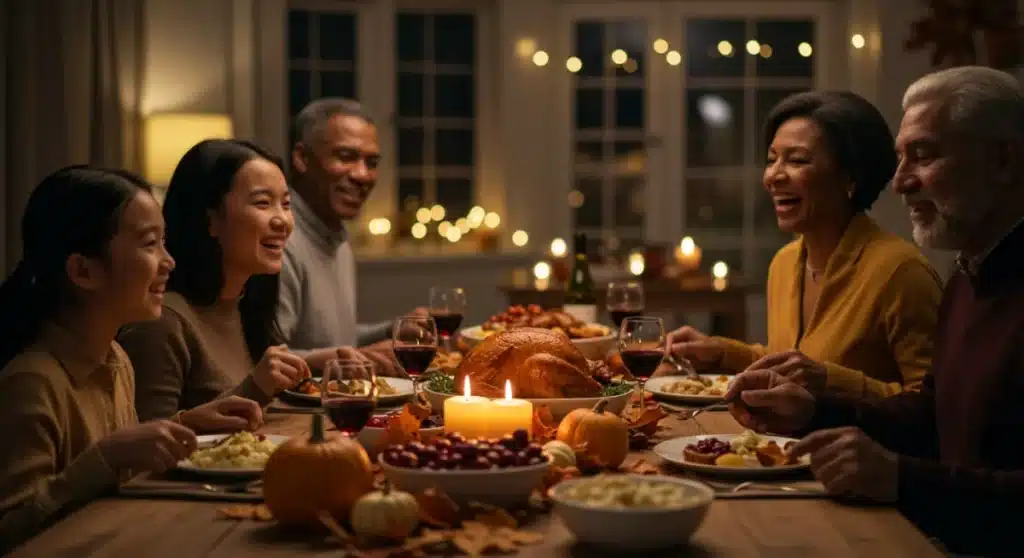
US holiday traditions encompass a rich variety of customs and celebrations that unite communities and families, providing opportunities for festive gatherings and the creation of cherished, lifelong memories.
As the calendar pages turn, Americans eagerly anticipate a diverse array of holidays, each offering unique opportunities for celebration and connection. From the heartfelt gratitude of Thanksgiving to the joyous sparkle of Christmas, and the hopeful fresh start of New Year’s, US holiday traditions are more than mere dates on a calendar; they are vibrant threads woven into the fabric of daily life, fostering community, reinforcing family bonds, and creating lasting memories that resonate for generations. These festive occasions provide a crucial pause, allowing individuals and families to reflect, rejoice, and engage in practices passed down through time, shaping the collective American experience.
The roots of American holiday celebrations
The origins of many American holiday traditions are as diverse as the nation itself, drawing from a rich tapestry of cultural, religious, and historical influences. Understanding these roots helps us appreciate the depth and significance of the celebrations we observe today. Early European settlers brought their own customs, which then blended with indigenous practices and later, the traditions of immigrants from around the world, creating a unique American mosaic.
For instance, Thanksgiving, often considered a quintessential American holiday, traces its beginnings to a harvest feast shared by Plymouth colonists and the Wampanoag people in 1621. While the historical accuracy of popular narratives is debated, the holiday has evolved into a powerful symbol of gratitude, family unity, and abundance. Similarly, Christmas, though rooted in Christian religious observance, has incorporated secular elements like Santa Claus and gift-giving, reflecting diverse cultural adaptations over centuries.
Historical influences on festive occasions
Many holidays have been shaped by pivotal moments in American history. Independence Day, for example, directly commemorates the signing of the Declaration of Independence in 1776, evolving into a nationwide celebration of freedom with fireworks and parades. Memorial Day and Veterans Day honor military service and sacrifice, instilling a sense of national pride and remembrance.
- Colonial adaptations: Early settlers integrated European customs with new world realities.
- Immigration impact: New waves of immigrants introduced their unique festive practices, enriching the cultural landscape.
- National events: Wars and political milestones often spurred the creation or redefinition of national holidays.
The evolution of these traditions is ongoing, with each generation adding its own contributions, ensuring that these celebrations remain relevant and meaningful. From the solemnity of remembrance to the exuberance of festivity, these historical underpinnings provide a framework for the cherished customs that define American holidays.
Thanksgiving: A time for gratitude and feasting
Thanksgiving stands as a cornerstone of US holiday traditions, a day dedicated to expressing gratitude and gathering with loved ones for a bountiful feast. Celebrated on the fourth Thursday of November, it marks the unofficial start of the holiday season, bringing families together from near and far. The holiday’s central theme revolves around appreciating blessings and sharing a meal that is often steeped in tradition and culinary heritage.
The iconic Thanksgiving dinner typically features a roasted turkey, often accompanied by stuffing, mashed potatoes, gravy, cranberry sauce, and pumpkin pie. These dishes, while traditional, often have regional variations and family-specific recipes passed down through generations. Beyond the food, many families engage in unique rituals, such as going around the table and sharing what they are thankful for, or watching the annual Macy’s Thanksgiving Day Parade.
Family rituals and culinary delights
For many, the preparation for Thanksgiving is as significant as the meal itself. Hours are spent in the kitchen, often involving multiple family members collaborating on various dishes. This communal cooking fosters a sense of togetherness and shared purpose, enhancing the celebratory atmosphere. The aromas of roasting turkey and baking pies fill homes, creating an indelible sensory memory linked to the holiday.
- Traditional turkey preparation: Often the centerpiece, roasted or deep-fried.
- Side dish variety: From green bean casserole to sweet potato pie, reflecting diverse tastes.
- Dessert indulgence: Pumpkin, pecan, and apple pies are classic endings to the meal.
Beyond the dinner table, Thanksgiving weekend often extends into Black Friday shopping, a modern tradition that signals the kickoff of the Christmas shopping season. Despite commercial aspects, the core essence of Thanksgiving remains a powerful reminder to pause, reflect, and cherish the connections that enrich our lives, solidifying its place among the most beloved US holiday traditions.
Christmas: Joy, giving, and festive decor
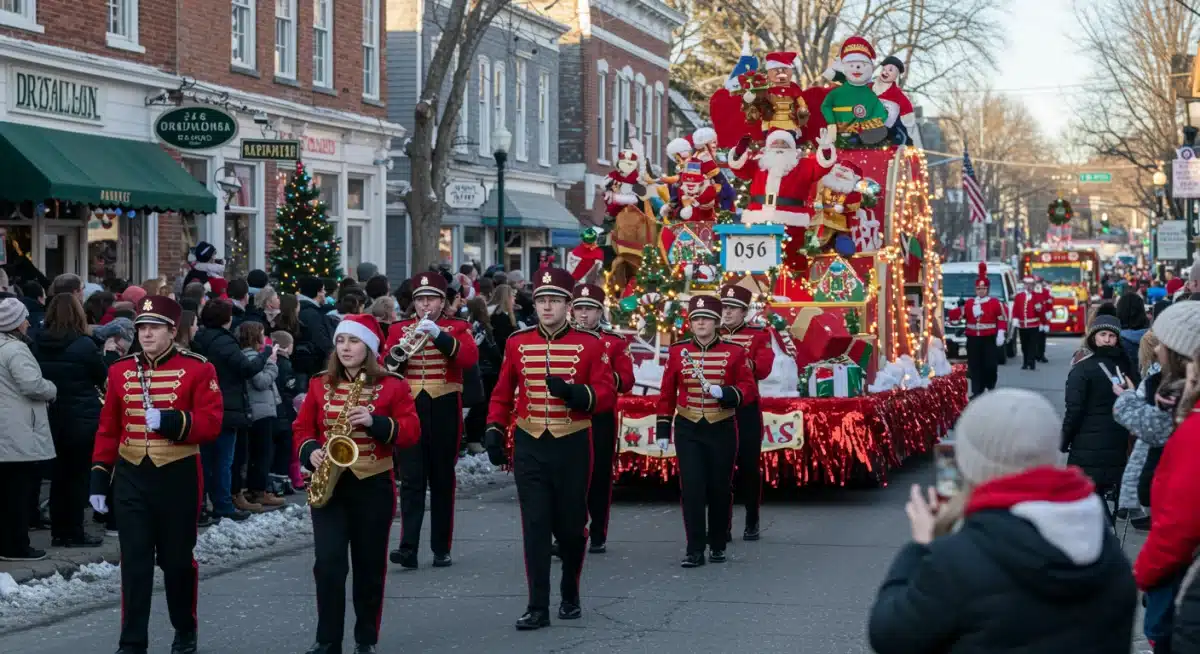

Christmas, celebrated on December 25th, is arguably the most widely observed and elaborately decorated holiday in the United States. It’s a time synonymous with joy, generosity, and a magical atmosphere that captivates both young and old. The weeks leading up to Christmas are filled with preparations, from decorating homes and public spaces to shopping for gifts and attending festive events.
Homes are transformed with twinkling lights, wreaths, and beautifully adorned Christmas trees, often becoming focal points for family gatherings. Community celebrations are also prevalent, with towns hosting tree lighting ceremonies, holiday markets, and parades that feature Santa Claus and other beloved Christmas figures. These collective experiences amplify the festive spirit and reinforce a sense of community.
Decorating, gift-giving, and caroling
One of the most cherished aspects of Christmas is the tradition of gift-giving, often exchanged on Christmas Eve or Christmas morning. This practice symbolizes the spirit of generosity and love. Children eagerly anticipate visits from Santa Claus, who is believed to deliver presents overnight, adding an element of wonder and excitement to the holiday.
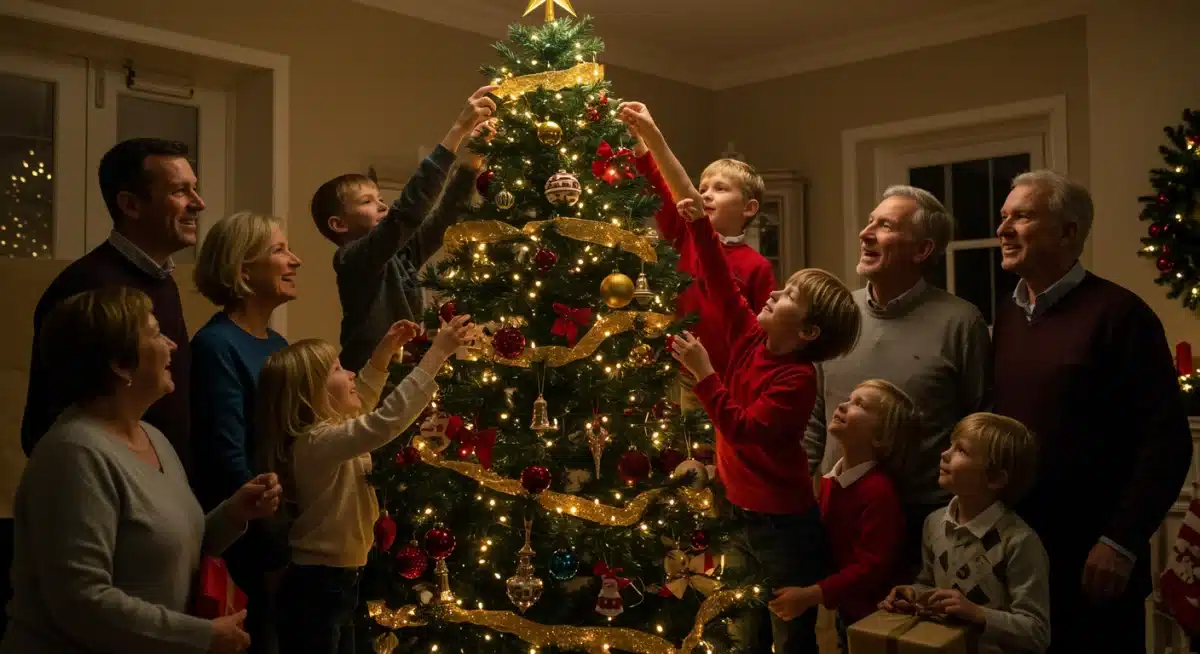
- Christmas tree decoration: A central family activity, often accompanied by holiday music.
- Gift exchange rituals: From secret Santa to opening presents on Christmas morning.
- Caroling and music: Singing traditional Christmas songs spreads cheer throughout neighborhoods.
Many families also attend church services, reflecting the religious roots of Christmas, while others enjoy holiday-themed movies, baking cookies, and spending quality time together. The culmination of these practices creates a period of intense festivity, making Christmas a powerful contributor to US holiday traditions and the creation of cherished family memories.
New year’s eve and day: Reflecting and resolving
New Year’s Eve and New Year’s Day mark a pivotal transition, offering a moment for reflection on the past year and setting intentions for the year ahead. Celebrated on December 31st and January 1st, these holidays are characterized by a blend of festive revelry and thoughtful contemplation. It’s a universal tradition to bid farewell to the old and welcome the new with hope and optimism.
To better understand how New Year’s Eve and New Year’s Day evolved, this resource explores their origins, traditions, and historical significance – History & Origins.
New Year’s Eve is often celebrated with parties, countdowns, and spectacular fireworks displays. The most famous celebration in the US is the ball drop in Times Square, New York City, watched by millions worldwide. Many people gather with friends and family to toast at midnight, symbolizing a fresh start. New Year’s Day, in contrast, is typically a more subdued affair, often spent recovering from the previous night’s festivities, enjoying a traditional meal, or watching college football bowl games.
Celebrations and personal growth
The tradition of making New Year’s resolutions is deeply ingrained in American culture. These personal commitments, often focused on self-improvement or achieving new goals, reflect a desire for personal growth and a belief in the power of a fresh start. While not all resolutions are kept, the act of making them is an important ritual of hope and aspiration.
- Midnight toasts: Raising a glass to new beginnings and good fortune.
- Fireworks displays: A dazzling visual spectacle to mark the turning of the year.
- New Year’s resolutions: Setting personal goals for health, career, or self-improvement.
Beyond personal resolutions, New Year’s also provides an opportunity for collective reflection on societal progress and future aspirations. It is a time when the entire nation, after a period of intense holiday celebrations, collectively looks forward, making it a significant part of US holiday traditions that encourages both merriment and meaningful introspection.
Other notable US holiday traditions
While Thanksgiving, Christmas, and New Year’s are prominent, the United States observes a multitude of other holidays, each with its own unique traditions and cultural significance. These diverse celebrations reflect the nation’s rich history, varied demographics, and evolving social landscape. From solemn observances to vibrant festivals, these holidays contribute to the tapestry of American life.
Martin Luther King Jr. Day, celebrated in January, honors the civil rights leader and encourages reflection on equality and justice. Presidents’ Day in February commemorates past presidents, often marked by historical reenactments and educational programs. Memorial Day in May is a somber occasion to remember those who died while serving in the armed forces, typically involving parades and visits to cemeteries. Independence Day, on July 4th, is a patriotic celebration of the nation’s founding, filled with fireworks, barbecues, and community events.
Seasonal and cultural observances
Beyond national holidays, many regional and cultural celebrations thrive across the US. Halloween, on October 31st, is a popular holiday for children and adults alike, featuring costumes, trick-or-treating, and spooky decorations. Easter in spring, while a religious holiday for many, also includes secular traditions like egg hunts and visits from the Easter Bunny.
- Halloween festivities: Costume parties, haunted houses, and candy collection.
- Easter traditions: Egg decorating, hunts, and family meals.
- St. Patrick’s Day: Parades, wearing green, and celebrating Irish heritage.

These varied holidays, whether federal or cultural, provide numerous opportunities for Americans to celebrate their heritage, express their values, and engage in shared experiences that create a sense of belonging. Each adds a distinct flavor to the overall landscape of US holiday traditions, ensuring there’s always something to look forward to and celebrate throughout the year.
Creating lasting memories through traditions
The true magic of US holiday traditions lies in their power to forge lasting memories. These shared experiences, repeated year after year, become the bedrock of personal and family histories, weaving a narrative of togetherness and joy. It’s not just the grand celebrations, but often the small, consistent rituals that hold the deepest sentimental value and create an enduring sense of connection across generations.
Think of the aroma of Grandma’s special holiday cookies, the worn ornaments pulled out annually for the Christmas tree, or the specific movies watched every Thanksgiving. These sensory details and recurring activities become powerful anchors, evoking feelings of nostalgia and comfort. Children especially benefit from the predictability and joy of holiday traditions, which contribute significantly to their sense of security and belonging within the family unit.
The power of shared experiences
Participating in holiday traditions provides a common ground for families to bond, communicate, and reinforce their values. Whether it’s volunteering together during the holidays, singing carols, or simply sharing a meal, these activities strengthen relationships and create a collective identity. The stories and anecdotes recounted during these times become part of the family lore, passed down and cherished.
- Ritualistic activities: Consistent practices that define a family’s holiday experience.
- Intergenerational bonding: Grandparents, parents, and children sharing roles and creating new memories together.
- Sensory associations: The sights, sounds, smells, and tastes that evoke powerful holiday feelings.
Ultimately, these traditions are more than just customs; they are the vehicles through which love, culture, and history are transmitted. They offer moments of respite, joy, and connection, ensuring that the spirit of these festive occasions continues to thrive, making them invaluable for creating truly lasting memories within the rich tapestry of US holiday traditions.
| Key Holiday | Core Tradition |
|---|---|
| Thanksgiving | Family feast with turkey, expressing gratitude, and often watching parades. |
| Christmas | Gift-giving, decorating trees, caroling, and festive family gatherings. |
| New Year’s Eve | Countdown to midnight, fireworks, parties, and making resolutions. |
| Independence Day | Fireworks, barbecues, parades, and patriotic celebrations of freedom. |
Frequently asked questions about US holiday traditions
Thanksgiving is a national holiday celebrated annually to express gratitude for the harvest and other blessings of the past year. It typically involves a large family meal, often featuring turkey, and is seen as a time for family reunion and reflection on what one is thankful for.
Christmas in the US is widely celebrated with gift-giving, decorating homes with lights and Christmas trees, attending festive parties, and often church services. Many families engage in traditions like caroling, baking cookies, and anticipating a visit from Santa Claus.
Common New Year’s Eve traditions include attending parties, watching fireworks displays, counting down to midnight, and toasting to the new year. Many Americans also make New Year’s resolutions, setting personal goals for self-improvement in the coming year.
Yes, regional differences are quite common. For example, some Southern states might have different traditional dishes for Thanksgiving, and various cultural communities across the US celebrate specific holidays unique to their heritage, adding to the rich diversity of American traditions.
Holiday traditions create lasting memories by providing consistent, shared experiences that reinforce family bonds and cultural identity. The repetition of rituals, sensory details, and storytelling during these festive times deeply embeds these moments into personal and collective memory, often passed down through generations.
Conclusion
The kaleidoscope of US holiday traditions represents more than just annual celebrations; they are vital expressions of American culture, community, and family values. From the solemn moments of remembrance to the exuberant bursts of festivity, each holiday contributes to a collective rhythm that defines life in the United States. These traditions, whether deeply rooted in history or newly adopted, serve as powerful mechanisms for fostering connection, expressing gratitude, and, most importantly, creating a rich tapestry of lasting memories that endure through time and across generations. As Americans continue to celebrate, they weave new threads into this vibrant tapestry, ensuring that the spirit of these festive occasions remains a cherished and integral part of the national identity.
To learn more about US traditions, explore our guide to summer traditions across the United States, featuring activities across all 50 states.