Gut Health & Mood: 3 Dietary Shifts for 2026
Have you ever noticed how a change in your diet can impact your overall demeanor? The profound link between what we eat and how we feel is becoming increasingly clear. Understanding the connection between gut health and mood: 3 dietary shifts for 2026 is not just a trend; it’s a fundamental step towards optimizing your mental well-being.
The Gut-Brain Axis: A Two-Way Street
The concept of the gut-brain axis refers to the bidirectional communication system linking the central nervous system with the enteric nervous system, the latter often called the ‘second brain.’ This complex network is heavily influenced by the gut microbiome, a vast ecosystem of bacteria, fungi, and viruses residing in our digestive tract.
Far from being a mere digestive organ, the gut is a crucial player in our emotional and cognitive states.
This intricate communication involves various pathways, including the vagus nerve, which acts as a superhighway for signals between the gut and the brain. Neurotransmitters, like serotonin, often associated with feelings of happiness and well-being, are predominantly produced in the gut.
Disruptions in the gut’s delicate balance can therefore have profound implications for our mental health, contributing to conditions such as anxiety and depression.
Understanding Neurotransmitter Production
The gut is a powerhouse for producing essential neurotransmitters. Serotonin, for instance, is a key mood regulator, and an astonishing 90% of it is made in the gut. This highlights why gut health is so integral to our emotional state.
Serotonin: Crucial for mood, sleep, appetite, and digestion.
GABA: An inhibitory neurotransmitter that calms the nervous system.
Dopamine: Involved in pleasure, motivation, and reward.
When the gut microbiome is imbalanced, or ‘dysbiotic,’ the production of these vital chemical messengers can be compromised. This imbalance can lead to a cascade of negative effects, impacting not only mood but also cognitive function and stress response. The types of bacteria present in the gut play a significant role in determining which neurotransmitters are produced and in what quantities.
The influence of the gut-brain axis extends beyond neurotransmitter synthesis. It also modulates inflammation and immune responses. Chronic low-grade inflammation, often originating in the gut, has been linked to various mental health disorders. By understanding and nurturing this axis, we gain a powerful tool for enhancing our overall well-being.
Dietary Shift 1: Embracing Fermented Foods for a Richer Microbiome

One of the most impactful dietary shifts for 2026 involves significantly increasing the intake of fermented foods. These foods are natural sources of beneficial bacteria, often referred to as probiotics, which play a critical role in maintaining a diverse and healthy gut microbiome.
Introducing a variety of fermented foods into your daily diet can help restore balance, improve digestion, and positively influence your mood.
The fermentation process not only preserves food but also enhances its nutritional value by increasing the bioavailability of vitamins and minerals.
The live cultures in fermented foods contribute to a more robust gut ecosystem, which in turn supports the production of mood-regulating neurotransmitters and reduces inflammation throughout the body. This is a foundational step in harnessing the power of the gut for mental clarity and emotional stability.
Key Fermented Foods to Incorporate
Diverse fermented foods offer a spectrum of beneficial microbes and flavors. Integrating them into your meals doesn’t have to be complicated, and the benefits are often felt relatively quickly.
Kefir: A fermented milk drink, rich in probiotics and easily digestible.
Sauerkraut: Fermented cabbage, excellent for gut health and packed with vitamins.
Kimchi: A spicy Korean fermented vegetable dish, offering a blend of probiotics and antioxidants.
Yogurt (with live active cultures): A popular and versatile source of beneficial bacteria.
Tempeh: Fermented soybeans, a great plant-based protein source.
When selecting fermented products, it’s crucial to choose those that are unpasteurized and labeled as containing live active cultures to ensure you’re getting the beneficial bacteria. Incorporating these foods daily can lead to a noticeable improvement in digestive comfort and a more stable mood. Start with small portions and gradually increase your intake to allow your digestive system to adapt.
Beyond direct probiotic benefits, fermented foods often contain postbiotics, which are beneficial compounds produced by microorganisms during fermentation. These compounds can also contribute to gut health and systemic well-being, further reinforcing the positive effects on mood and cognitive function. Making fermented foods a staple in your diet is a proactive step towards a healthier gut and a happier mind.
Dietary Shift 2: Prioritizing Prebiotic-Rich Foods for Gut Nourishment
While probiotics introduce beneficial bacteria, prebiotics are the non-digestible fibers that act as food for these good microbes, allowing them to thrive and multiply. The second crucial dietary shift for 2026 involves consciously increasing your intake of prebiotic-rich foods. Think of prebiotics as the fertilizer for your gut garden; without them, even the best probiotics won’t reach their full potential.
A diet rich in prebiotics supports a diverse and robust gut microbiome, which is directly linked to improved mood regulation, reduced inflammation, and enhanced nutrient absorption.
These fibers pass undigested through the small intestine and are fermented by bacteria in the large intestine, producing short-chain fatty acids (SCFAs) like butyrate, acetate, and propionate. SCFAs are vital for gut health and have systemic effects, including influencing brain function and mood.
Top Prebiotic Food Sources
Integrating a variety of prebiotic foods into your meals can significantly enhance your gut’s microbial ecosystem. These foods are often found in common fruits, vegetables, and whole grains, making them easy to incorporate into most diets.
Garlic and Onions: Excellent sources of inulin and FOS (fructooligosaccharides).
Asparagus: Rich in inulin, supporting beneficial gut bacteria.
Bananas: Especially slightly green ones, contain resistant starch.
Oats: A great source of beta-glucan, a soluble fiber.
Apples: Pectin, a type of fiber, acts as a prebiotic.
Legumes (beans, lentils): High in various types of dietary fiber.
It’s important to consume a wide array of prebiotic foods to support the diverse needs of your gut bacteria. Each type of prebiotic fiber tends to favor different strains of beneficial microbes, contributing to a more resilient and balanced microbiome. Gradual introduction of these foods can help prevent digestive discomfort as your system adjusts to increased fiber intake.
The fermentation of prebiotics by gut bacteria produces SCFAs, which are not only a primary energy source for colon cells but also have anti-inflammatory properties and can cross the blood-brain barrier.
Butyrate, in particular, has been studied for its potential neuroprotective effects and its role in modulating mood. By consistently feeding your gut microbes with prebiotics, you’re investing in both your physical and mental health for the long term.
Dietary Shift 3: Reducing Inflammatory Foods and Processed Sugars
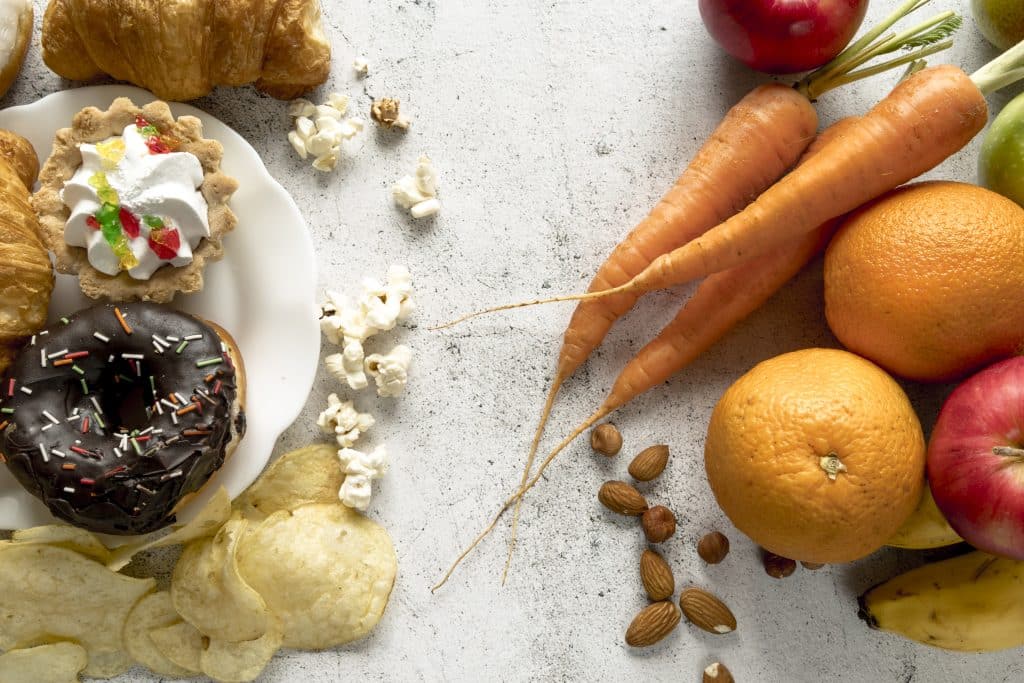
The third critical dietary shift for 2026 focuses on actively reducing the intake of foods that can promote inflammation and disrupt the delicate balance of the gut microbiome. Highly processed foods, excessive sugars, unhealthy fats, and artificial additives are notorious culprits that can lead to gut dysbiosis and systemic inflammation, both of which are strongly linked to negative mood states and cognitive decline.
Chronic inflammation in the gut can compromise the integrity of the gut lining, leading to a ‘leaky gut’ syndrome where toxins and undigested food particles can enter the bloodstream, triggering immune responses and contributing to widespread inflammation.
This inflammatory cascade can directly impact brain function and contribute to anxiety, depression, and other mental health challenges. Making conscious choices to minimize these inflammatory triggers is paramount for supporting both gut health and mental well-being.
Foods to Minimize or Avoid
Understanding which foods to limit or eliminate is just as important as knowing what to add to your diet. These items often contribute to gut inflammation and can counteract the benefits of a gut-friendly diet.
Processed Sugars: Found in sodas, candies, pastries, and many packaged foods.
Refined Grains: White bread, white pasta, and other products stripped of their fiber.
Unhealthy Fats: Trans fats and excessive saturated fats, often found in fried foods and highly processed snacks.
Artificial Sweeteners and Additives: Can negatively impact gut bacteria diversity.
Excessive Alcohol: Can irritate the gut lining and disrupt microbial balance.
Reducing these items doesn’t mean complete deprivation, but rather a mindful approach to consumption. Small, consistent reductions can lead to significant improvements in gut health and, consequently, mood. Focus on replacing these items with whole, unprocessed alternatives that nourish your body and your gut microbiome.
The impact of a high-sugar, high-fat diet on the gut microbiome has been extensively researched, showing a reduction in beneficial bacteria and an increase in pro-inflammatory species. This shift in microbial composition can perpetuate a cycle of inflammation and mood disturbances. By consciously opting for whole, nutrient-dense foods, you empower your gut to heal and flourish, setting the stage for improved mental clarity and emotional resilience.
The Role of Stress Management in Gut-Mood Connection
While dietary shifts are crucial, it’s impossible to discuss the gut-mood connection without acknowledging the profound impact of stress. Chronic stress can significantly alter the gut microbiome, increase gut permeability, and disrupt the delicate balance of the gut-brain axis.
Even with a perfect diet, unmanaged stress can undermine your efforts to improve gut health and, by extension, your mood. Therefore, integrating effective stress management techniques is an essential complement to dietary changes.
The physiological response to stress, often involving the release of hormones like cortisol, can directly influence gut motility, secretion, and blood flow. This can lead to digestive issues such as irritable bowel syndrome (IBS) and can further exacerbate dysbiosis. A holistic approach to well-being must address both nutritional intake and mental resilience to create a truly supportive environment for the gut-brain axis.
Effective Stress Reduction Techniques
Incorporating daily practices that mitigate stress can significantly amplify the positive effects of dietary changes. These techniques help to calm the nervous system and foster a more harmonious internal environment.
Mindfulness and Meditation: Practices that cultivate present-moment awareness and reduce mental chatter.
Regular Exercise: Physical activity is a powerful stress reliever and mood booster.
Adequate Sleep: Prioritizing 7-9 hours of quality sleep each night is crucial for recovery and resilience.
Deep Breathing Exercises: Simple techniques that can quickly activate the parasympathetic nervous system.
Spending Time in Nature: Connecting with the outdoors has proven benefits for stress reduction.
Consistent engagement with these practices can help regulate the stress response, thereby protecting the gut from its detrimental effects. When the body is in a relaxed state, digestive function improves, and the gut microbiome can flourish more effectively. This synergy between diet and stress management creates a powerful foundation for sustained mental and emotional well-being.
The interplay between stress and gut health is a continuous feedback loop. Stress can negatively impact the gut, and a compromised gut can, in turn, heighten stress responses. Breaking this cycle requires a multi-pronged approach that includes mindful eating, stress reduction, and a commitment to overall self-care. By actively managing stress, we create a more resilient gut and a more stable mood, paving the way for a healthier and happier life.
Hydration and Lifestyle Factors: Beyond Diet

While the focus on dietary shifts is paramount, it’s important to recognize that gut health and mood are also significantly influenced by broader lifestyle factors, with hydration standing out as a fundamental yet often overlooked component.
Adequate water intake is essential for nearly all bodily functions, including digestion, nutrient absorption, and the efficient elimination of waste products. Dehydration can slow down digestion, contribute to constipation, and negatively impact the gut microbiome, all of which can indirectly affect mood.
Beyond hydration, other lifestyle choices such as regular physical activity, sufficient sleep, and even exposure to sunlight play critical roles. These elements collectively contribute to a healthy internal environment that supports a thriving gut microbiome and a balanced mental state. Neglecting these aspects can diminish the positive impact of even the most meticulous dietary changes.
The Importance of Water and Fiber
Water and fiber work synergistically to maintain digestive regularity and support a healthy gut. Without sufficient water, even a fiber-rich diet can lead to digestive discomfort.
Water Intake: Aim for at least 8 glasses of water daily, adjusted for activity level and climate.
Fiber Absorption: Water helps fiber swell, aiding in bowel movements and preventing constipation.
Nutrient Transport: Water is crucial for transporting nutrients to cells and removing waste.
Proper hydration ensures that the digestive system functions smoothly, allowing beneficial gut bacteria to flourish in an optimal environment. It also plays a role in maintaining the integrity of the gut lining, preventing issues that could lead to inflammation and mood disturbances. Making hydration a non-negotiable part of your daily routine is a simple yet powerful step towards better gut health and mood.
Furthermore, consistent physical activity stimulates gut motility and can positively influence the diversity of the gut microbiome. Adequate sleep allows the body to repair and regenerate, including the gut lining, and helps regulate hormones that impact both digestion and mood.
Sunlight exposure, particularly in the morning, helps regulate circadian rhythms, which are intrinsically linked to both gut health and mental well-being. A holistic lifestyle, encompassing these factors, creates the most robust foundation for a harmonious gut-brain connection.
Implementing Sustainable Changes for Long-Term Well-being
Adopting significant dietary and lifestyle changes can feel overwhelming, but the key to success lies in making sustainable, gradual adjustments rather than drastic overhauls. The goal for 2026 is not just temporary relief but long-term well-being, which requires consistency and patience.
Start by incorporating one or two new habits at a time, allowing your body and mind to adapt, and celebrate small victories along the way. This approach fosters a positive relationship with food and self-care, making the journey enjoyable and achievable.
Remember that the gut microbiome is dynamic and responds to consistent input. It takes time for new dietary patterns to reshape your microbial community and for your body to experience the full benefits.
Focusing on progress, not perfection, will be crucial for maintaining motivation and integrating these shifts into a lasting lifestyle. The ultimate aim is to cultivate habits that naturally support your gut health and, by extension, your mental and emotional resilience.
Strategies for Gradual Integration
Making lasting changes often comes down to how you approach the transition. Small, manageable steps are far more effective than trying to do everything at once.
One New Fermented Food Per Week: Introduce a new type of kefir, sauerkraut, or kimchi slowly.
Add One Prebiotic-Rich Vegetable Daily: Focus on incorporating asparagus, onions, or garlic into a meal.
Swap One Processed Item: Replace a sugary snack with fruit or a handful of nuts.
Hydration Reminders: Use an app or set alarms to drink water throughout the day.
Mindful Eating: Pay attention to hunger and fullness cues, and savor your meals.
By breaking down these shifts into smaller, actionable steps, you reduce the likelihood of feeling overwhelmed and increase your chances of sticking with them. Each successful small change builds confidence and momentum, paving the way for further positive adjustments. This incremental approach respects your body’s natural pace of adaptation and helps establish new habits as an integral part of your daily routine.
Furthermore, tracking your progress, perhaps through a simple journal, can provide valuable insights into how different foods and lifestyle choices impact your mood and energy levels. This personalized feedback reinforces the connection between your actions and your well-being, motivating you to continue on your path.
Embracing these dietary and lifestyle shifts as a journey of continuous improvement, rather than a fixed destination, is key to unlocking enduring gut health and a more vibrant mood in 2026 and beyond.
| Key Dietary Shift | Benefit for Gut & Mood |
|---|---|
| Embrace Fermented Foods | Introduces beneficial probiotics, enhancing gut microbiome diversity and neurotransmitter production. |
| Prioritize Prebiotic-Rich Foods | Feeds beneficial gut bacteria, promoting their growth and the production of mood-boosting SCFAs. |
| Reduce Inflammatory Foods | Minimizes gut dysbiosis and systemic inflammation, crucial for stable mood and cognitive function. |
| Manage Stress & Hydrate | Supports overall gut function, reduces negative impacts on microbiota, and enhances well-being. |
Frequently Asked Questions About Gut Health and Mood
While individual responses vary, some people report feeling positive changes in mood and energy levels within a few weeks of consistent dietary shifts. Significant improvements in gut microbiome composition and mental well-being often require several months of dedicated effort, as the gut adapts gradually to new inputs.
No, not all fermented foods offer the same benefits. It’s crucial to choose unpasteurized products with live active cultures, such as homemade kefir, sauerkraut, or kimchi. Highly processed fermented foods, like some commercial yogurts with high sugar content, may offer fewer benefits or even be detrimental to gut health.
While probiotic and prebiotic supplements can be helpful, they are generally most effective when used in conjunction with a healthy diet rich in whole foods. Supplements should complement, not replace, a balanced nutritional intake. Consulting a healthcare professional before starting any new supplement regimen is always recommended for personalized advice.
The gut-brain axis is a complex communication network linking the brain and the gut, heavily influenced by the gut microbiome. It’s crucial for mood because the gut produces many neurotransmitters, like serotonin, and influences inflammation, directly impacting emotional and cognitive functions. Maintaining its balance is key for mental well-being.
Stress can negatively alter the gut microbiome, increase gut permeability, and disrupt gut motility. This leads to inflammation and dysbiosis, which can exacerbate mood disorders like anxiety and depression. Managing stress through techniques like mindfulness and exercise is vital for protecting both gut health and mental stability.
Conclusion
The profound connection between our gut health and mood is an area of increasing scientific interest, offering tangible pathways to enhance mental well-being. By embracing the three key dietary shifts for 2026—prioritizing fermented foods, increasing prebiotic intake, and reducing inflammatory elements—we can actively cultivate a healthier gut microbiome.
These changes, coupled with effective stress management and holistic lifestyle choices, create a powerful foundation for improved emotional resilience and cognitive function. The journey to a happier, healthier you truly begins in the gut, making conscious dietary decisions not just about physical nourishment, but about nurturing your entire being.