The Unexpected Comeback: 5 Throwback Trends Cool Again in 2026

The cyclical nature of trends is undeniable, but few comebacks are as surprising and invigorating as those we anticipate for 2026. Get ready to embrace throwback trends 2026, as forgotten styles and cultural touchstones re-emerge, re-imagined for a new generation. This isn’t just about nostalgia; it’s about a fresh perspective on the past, proving that truly great ideas never really go out of style.
The Resurgence of ’90s Grunge and Y2K Aesthetics
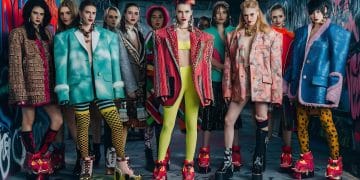
The fashion scene in 2026 is being strongly influenced by a major throwback revival of two iconic eras: the rebellious attitude of ’90s grunge and the bold, futuristic energy of Y2K fashion. These nostalgic throwback styles are returning with modern updates, blending oversized flannels, distressed denim, and combat boots with metallic fabrics, colorful accessories, and early-2000s-inspired silhouettes.
These styles, once considered niche or even passé, are now being reinterpreted with a contemporary edge, offering a fresh take on comfort and individuality.
The ’90s grunge movement, characterized by its anti-establishment ethos, is making a comeback through oversized silhouettes, distressed denim, flannel shirts, and band tees.
This re-emergence isn’t merely a copy-paste of the past; it’s about incorporating these elements into a more refined, accessible wardrobe. Think less disheveled, more deliberately undone.
Modern Grunge: Beyond the Flannel
Today’s grunge revival focuses on quality fabrics and thoughtful layering. It’s about expressing a relaxed attitude without sacrificing style. Designers are integrating classic grunge elements into high-fashion collections, making them palatable for a wider audience.
Elevated Basics: High-quality plain tees and tank tops form the foundation.
Distressed Denim: Jeans with strategic rips and fades, often in straight-leg or baggy cuts.
Layering: Flannel shirts or oversized cardigans worn open over graphic tees.
Chunky Footwear: Combat boots and platform sneakers complete the look.
The Y2K aesthetic, on the other hand, brings back the vibrant colors, playful accessories, and futuristic-yet-retro feel of the early 2000s. This includes low-rise jeans, crop tops, tiny shoulder bags, and iridescent fabrics. It’s a celebration of pop culture and technological optimism, filtered through a modern lens.
Y2K Reimagined: Pop Culture’s Playful Return
The current iteration of Y2K fashion is less about literal replication and more about capturing its essence. It’s about vibrant color palettes, playful textures, and a sense of carefree experimentation. Social media platforms have played a pivotal role in popularizing this renewed interest, with influencers showcasing innovative ways to incorporate these elements.
From micro-miniskirts to butterfly clips, the Y2K comeback is about embracing fun and a touch of kitsch. It’s a nostalgic nod to a time when technology felt new and exciting, and fashion was bold and uninhibited. The blend of these two eras creates a dynamic tension, offering endless possibilities for personal expression.
Ultimately, the return of ’90s grunge and Y2K aesthetics in 2026 signifies a desire for authenticity and self-expression. It’s a rejection of overly polished looks in favor of something more lived-in and personality-driven, proving that fashion is always a conversation between the past and the present.
The Vinyl Revival and Analog Music Experiences
In an increasingly digital world, the tangible charm of analog music is experiencing an undeniable renaissance. The vinyl revival, far from being a fleeting trend, has solidified its place as a significant cultural phenomenon, and in 2026, its appeal continues to grow.
This isn’t just about listening to music; it’s about an immersive, sensory experience that digital formats simply cannot replicate.
The appeal of vinyl records extends beyond mere sound quality. It encompasses the ritual of selecting an album, carefully placing the needle, and appreciating the album art and liner notes.
This holistic experience offers a deeper connection to the music and the artist, something many listeners crave in an era of endless streaming options.
Why Vinyl Still Spins Strong
The warmth and richness of analog sound are often cited as primary reasons for vinyl’s enduring popularity. Audiophiles and casual listeners alike appreciate the depth and texture that vinyl records offer, a stark contrast to the compressed audio of digital files.
This tactile engagement transforms listening into an active, rather than passive, activity.
Superior Sound Quality: Many argue vinyl offers a richer, warmer audio experience.
Tangible Art: Album covers and liner notes provide a visual and textual experience.
Collecting Culture: Vinyl collecting has become a passionate hobby, fostering communities.
Ritual and Connection: The act of playing a record creates a unique, engaging experience.
Beyond vinyl, other analog music formats are also seeing a surprising resurgence. Cassette tapes, once relegated to dusty attics, are making a comeback, particularly in independent music scenes and for limited-edition releases. Their lo-fi aesthetic and portability offer a different kind of nostalgic appeal, often favored by artists looking to provide a distinct physical product.
Cassettes: A Lo-Fi Love Affair
The return of cassettes is less about high fidelity and more about a specific aesthetic and a sense of exclusivity. For many, cassettes evoke a sense of DIY culture and a more personal connection to music. They are also incredibly affordable to produce, making them an attractive option for emerging artists.
The resurgence of analog music experiences in 2026 is a testament to our collective desire for authenticity and a break from the digital overload. It’s a reminder that sometimes, the simplest, most traditional methods can offer the most profound and satisfying experiences. This throwback trend proves that the past still has much to teach us about how to truly appreciate art.
Vintage Tech Gadgets and Retro Gaming’s Enduring Charm
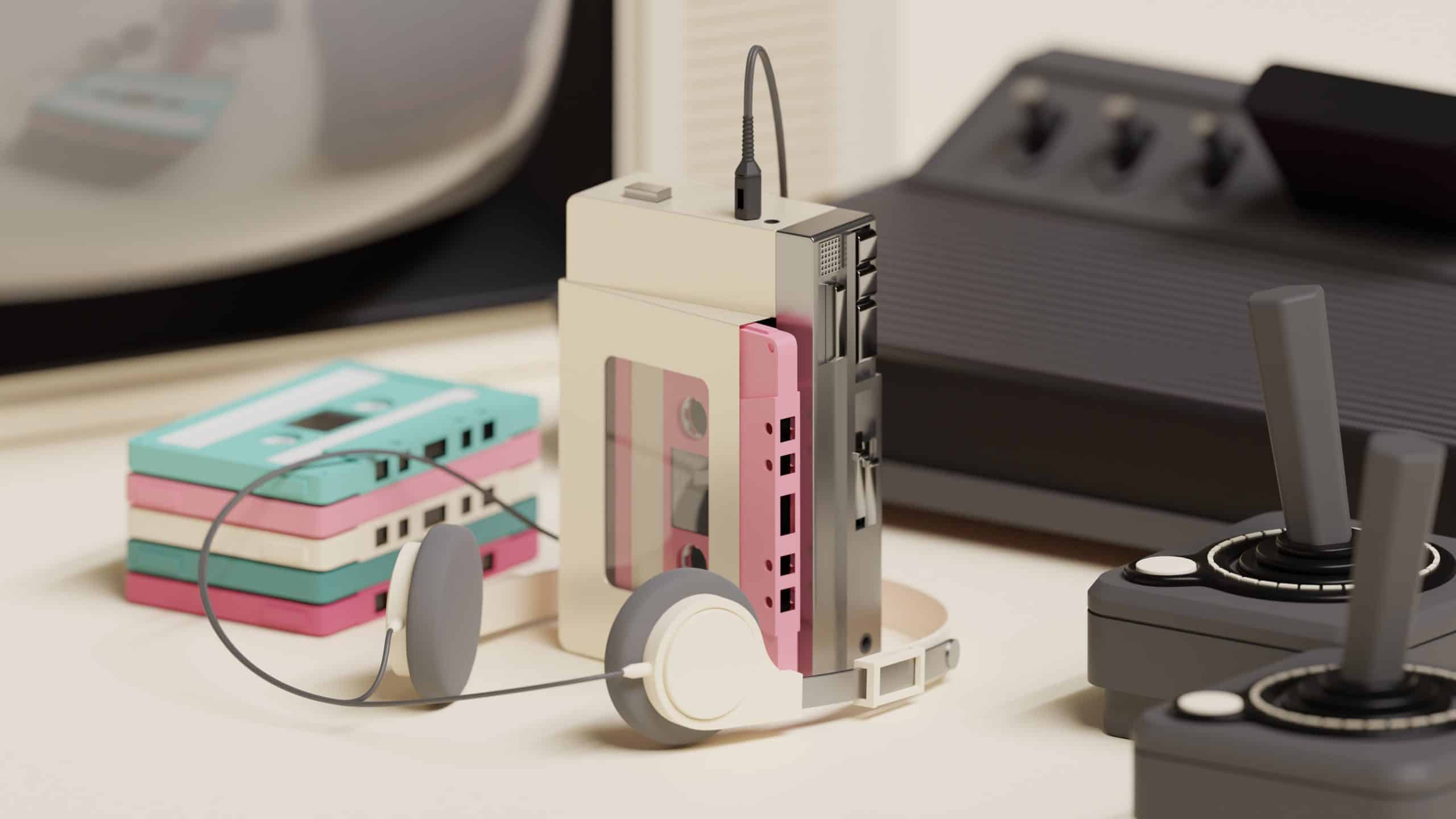
In an age of hyper-advanced smartphones and virtual reality, the enduring charm of vintage tech gadgets and retro gaming is a testament to the power of nostalgia and the timeless appeal of simpler mechanics. By 2026, this particular throwback trend has evolved beyond mere novelty, becoming a significant niche market driven by collectors, enthusiasts, and those seeking a digital detox.
The allure of retro gaming, for instance, lies in its straightforward gameplay, pixelated graphics, and the emotional connection many adults have to their childhood pastime. Classic consoles like the Nintendo 64, original PlayStation, and Sega Genesis are highly coveted, not just for playability but for their cultural significance.
The Pixelated Pleasure of Retro Gaming
Retro gaming offers a refreshing contrast to the complex, graphically intensive modern games. It’s a return to pure, unadulterated fun, often requiring skill over elaborate storylines. Emulators and re-released mini-consoles have made these experiences more accessible, but the original hardware remains the holy grail for purists.
Simpler Gameplay: Focus on core mechanics and skill, less on intricate narratives.
Nostalgic Value: Reconnecting with childhood memories and experiences.
Collector’s Market: Rare consoles and games fetch high prices among enthusiasts.
Digital Detox: A screen-time alternative that feels less overwhelming than modern tech.
Beyond gaming, vintage tech gadgets like flip phones, early digital cameras, and even MP3 players are making a surprising comeback.
This isn’t about functionality matching modern devices, but rather about aesthetics, simplicity, and a deliberate choice to disconnect from constant notifications and overwhelming features.
Flip Phones and Digital Cameras: A Conscious Disconnect
The return of flip phones, sometimes dubbed ‘dumb phones,’ is driven by a desire for minimalism and a break from smartphone addiction. They offer basic communication without the endless distractions of social media and apps.
Similarly, early digital cameras are favored for their unique photographic aesthetic, producing images with a distinct, often imperfect, charm that contrasts with the hyper-sharpness of modern cameras.
This throwback trend underlines a growing sentiment in 2026: that not every technological advancement is necessarily a step forward for personal well-being.
Embracing vintage tech and retro gaming is a conscious decision to prioritize simplicity, nostalgia, and a more deliberate engagement with our digital tools. It’s about finding joy in the past’s technological limitations.
The Revival of Home Decor Styles: Mid-Century Modern and Grandmillennial
As we navigate 2026, the world of interior design is looking to the past for inspiration, specifically drawing from the clean lines of Mid-Century Modern and the cozy, maximalist charm of Grandmillennial style.
These two distinct throwback trends offer a refreshing alternative to minimalist aesthetics, allowing for richer textures, bolder colors, and more personalized spaces.
Mid-Century Modern, originating from the mid-20th century, emphasizes functionality, organic shapes, and a seamless blend of indoor and outdoor living.
Its enduring appeal lies in its timeless elegance and the high-quality craftsmanship of its pieces. We’re seeing a renewed appreciation for iconic designs from designers like Eames, Saarinen, and Noguchi.
Mid-Century Modern: Function Meets Form
The contemporary take on Mid-Century Modern often involves integrating authentic vintage pieces with modern furnishings, creating a balanced and sophisticated look. It’s about creating spaces that are both aesthetically pleasing and highly livable, with a focus on natural materials and understated luxury.
Clean Lines: Furniture with simple, uncluttered silhouettes.
Organic Shapes: Curved edges and natural forms in furniture and decor.
Natural Materials: Teak, walnut, leather, and wool are prominent.
Functional Design: Emphasis on practical, well-designed pieces for everyday living.
On the other end of the spectrum, the Grandmillennial trend, also known as ‘Granny Chic,’ is a maximalist approach that embraces traditional elements often associated with one’s grandparents’ homes. This style celebrates chintz, floral patterns, needlepoint, ruffles, and antique furniture, all curated with a fresh, youthful sensibility.
Grandmillennial: Embracing ‘Granny Chic’
Grandmillennial style in 2026 is a playful rebellion against stark minimalism. It’s about creating layered, comfortable, and deeply personal spaces that tell a story. This trend encourages mixing patterns, textures, and eras, resulting in interiors that feel collected and inviting rather than sterile.
The beauty of these converging throwback trends is their versatility. Whether one prefers the understated sophistication of Mid-Century Modern or the whimsical eclecticism of Grandmillennial, both offer opportunities to infuse personality and character into living spaces. They remind us that our homes should be reflections of who we are, not just adherence to current fads.
The Return of Film Photography and Experiential Content Creation
In a world saturated with instant digital gratification, the deliberate and often unpredictable art of film photography is experiencing a profound resurgence, becoming one of the most compelling throwback trends in 2026.
This revival extends beyond mere image capture; it encompasses a broader movement towards experiential content creation, where the process is as valued as the final product.
Film photography, with its tangible negatives, unique grain, and distinct color rendition, offers a refreshing alternative to the sterile perfection of digital images. The anticipation of waiting for film to be developed and the surprise of the results add an element of magic that is often missing from instant digital previews.
Why Film Still Captures Hearts
The limitations of film – finite shots, manual controls, and the cost of development – force photographers to be more thoughtful and intentional with each frame. This deliberate approach fosters a deeper connection to the subject and the creative process, contrasting sharply with the ‘shoot everything’ mentality of digital photography.
Unique Aesthetic: Distinctive grain, color shifts, and dynamic range.
Intentionality: Encourages thoughtful composition and shot selection.
Tangible Output: Physical negatives and prints offer a lasting record.
Nostalgic Appeal: Reconnecting with a classic photographic medium.
This shift towards valuing the process is also evident in broader content creation. People are increasingly seeking out experiences that are unique and memorable, rather than just producing perfectly polished, generic content. This means more behind-the-scenes glimpses, raw and unedited footage, and stories that highlight the human element.
Experiential Content: Beyond the Pixel-Perfect
Experiential content creation emphasizes authenticity and storytelling over flawless production. It’s about sharing a journey, a challenge, or a genuine moment, even if it’s not perfectly framed or lit. This resonates deeply with audiences tired of curated, unattainable perfection on social media.
The return of film photography and the rise of experiential content creation in 2026 reflect a deeper cultural desire for authenticity, patience, and a more meaningful engagement with our creative pursuits. It’s a powerful reminder that sometimes, slowing down and embracing older methods can lead to richer, more fulfilling results, making these throwback trends surprisingly forward-thinking.
The Re-emergence of Personalized Communication: Zines and Pen Pals

In today’s hyper-connected digital world, the resurgence of personalized communication styles has become one of the most meaningful throwback trends of 2026.
As instant messaging and fast-paced social media interactions continue to dominate daily life, many people are embracing throwback forms of connection like zines and pen pals to experience deeper conversations, creativity, and more authentic human interaction.
This growing movement reflects a desire for slower, more intentional communication that digital platforms often fail to provide.
Zines, originally short for magazines, are self-published creative works that perfectly embody the spirit of modern throwback culture. These small-circulation publications combine art, photography, storytelling, and personal expression in a raw and highly individual format.
The renewed popularity of zines highlights how throwback aesthetics continue influencing younger generations who value originality, niche communities, and offline creativity in an increasingly automated online environment.
Zines: A DIY Renaissance
The appeal of zines lies in their DIY ethos and their ability to bypass traditional publishing gatekeepers. They represent a return to grassroots communication, where passion and authenticity trump professional polish. In 2026, zines are finding new life in online communities that then translate into physical exchanges and meet-ups.
Authentic Voice: Unfiltered personal expression and niche interests.
Community Building: Fosters connections among like-minded individuals.
Creative Outlet: Accessible platform for art, writing, and activism.
Tangible Medium: A physical object to hold, collect, and share.
Alongside the growing popularity of zines, the throwback revival of pen pals is also gaining momentum in 2026. In a world dominated by fast digital communication, this throwback form of connection offers something far more personal and meaningful.
Writing and receiving handwritten letters creates anticipation, emotional intimacy, and a slower pace of interaction that many people now crave as an escape from constant notifications and screen fatigue.
This renewed interest in throwback communication reflects a broader cultural shift toward authenticity and intentional living.
Younger generations are discovering the charm of physical mail, stationery, and long-form conversations, turning the pen pal experience into one of the most heartfelt throwback trends shaping modern social culture.
Pen Pals: Snail Mail’s Sweet Return
Pen pal relationships in 2026 are often facilitated by online platforms that connect individuals across geographical boundaries, but the communication itself takes place through traditional mail.
This provides a refreshing break from screen time and allows for a more reflective and thoughtful exchange of ideas and experiences.
The beauty of pen pal correspondence lies in its slow pace and the effort involved. Each letter is a curated piece of communication, often accompanied by small thoughtful additions like stickers, drawings, or pressed flowers.
This fosters a deeper bond and a sense of genuine connection that is hard to achieve with instant messaging.
Both zines and pen pals represent a powerful counter-narrative to the prevailing digital culture. They highlight a collective desire for more personal, tactile, and intentional forms of communication and self-expression.
These throwback trends prove that sometimes, the most effective way to connect in the future is by revisiting the methods of the past.
The Enduring Allure of Nostalgia in Modern Culture
The surprising return of these various throwback trends in 2026 is not merely a coincidence; it speaks to a deeper cultural phenomenon: the enduring allure of nostalgia.
In an increasingly fast-paced and often uncertain world, looking back to perceived simpler times offers comfort, familiarity, and a sense of grounding. This psychological appeal is a powerful driver behind why certain trends resurface and resonate with new generations.
Nostalgia acts as a coping mechanism, providing a sense of stability and happiness by reminding us of positive past experiences, even if those experiences weren’t our own.
For younger generations, these throwback trends offer a fresh, exciting aesthetic, free from the personal baggage of the original era. They can appropriate and reinvent these styles, making them their own.
Why We Look Back: The Psychology of Trends
The cyclical nature of fashion and culture is well-documented, but the intensity of the current throwback wave suggests more than just a passing fancy.
It indicates a collective yearning for authenticity and a break from the relentless pursuit of the new. The past offers a rich tapestry of ideas that can be reinterpreted and revitalized.
Comfort and Familiarity: Nostalgia provides a sense of security in uncertain times.
Authenticity: Older trends often feel more genuine and less manufactured.
Identity Formation: Younger generations use past styles to forge their unique identities.
Rebellion Against the New: A counter-movement to constant digital innovation.
Furthermore, the accessibility of information and imagery from previous decades through the internet and social media platforms plays a crucial role. Younger audiences are constantly exposed to historical fashion, music, and cultural movements, allowing them to discover and appreciate trends that predate their own experiences. This digital archive fuels the continuous cycle of revival.
Bridging Generations Through Style
These throwback trends also serve as a bridge between generations, sparking conversations and shared experiences. A Gen Z individual rocking a Y2K outfit might bond with a Millennial who remembers the original trend, fostering a sense of connection and shared cultural heritage. This intergenerational dialogue enriches the cultural landscape.
Ultimately, the enduring allure of nostalgia is a powerful force that shapes our present and future. The throwback trends of 2026 are a vibrant manifestation of this, demonstrating that the past is not just something to be remembered, but something to be actively re-engaged with, re-imagined, and celebrated. They remind us that history is a dynamic, living force in our daily lives.
| Key Trend | Brief Description |
|---|---|
| ’90s Grunge & Y2K | Fashion revival blending rebellious ’90s silhouettes with playful early 2000s aesthetics. |
| Vinyl & Analog Music | Continued growth of vinyl records and cassette tapes for a tactile listening experience. |
| Vintage Tech & Gaming | Comeback of retro consoles, flip phones, and older digital cameras for nostalgia and simplicity. |
| Personalized Communication | Resurgence of zines and pen pal relationships for authentic, tangible connections. |
Frequently Asked Questions About Throwback Trends
The resurgence of throwback trends is largely driven by nostalgia, a desire for authenticity, and a reaction against digital overload. People seek comfort in familiar styles and experiences, reinterpreting them for a modern context and finding unique ways to express individuality.
Not at all. While younger generations often discover and popularize these trends, the appeal is broad. Older generations enjoy the nostalgia, while younger individuals appreciate the aesthetics and novelty, leading to cross-generational adoption and unique interpretations.
They coexist by offering contrasting yet complementary moods. Grunge provides a raw, rebellious edge with oversized fits and distressed elements, while Y2K brings playful colors, futuristic touches, and pop culture references. Modern fashion blends these, allowing for diverse personal expression.
While digital tech remains dominant for convenience, analog formats like vinyl and film photography are carving out a permanent niche. They offer unique sensory experiences and artistic qualities that digital cannot fully replicate, ensuring their continued presence as valued alternatives.
Social media platforms are crucial. They serve as discovery engines for younger audiences, showcasing past trends through archival content and influencer interpretations. They also facilitate communities around specific throwback interests, accelerating their re-entry into mainstream consciousness.
Conclusion
The cultural landscape of 2026 is being heavily shaped by the return of nostalgic throwback styles that blend the past with modern creativity. From the rebellious energy of ’90s grunge and Y2K fashion to the renewed popularity of vinyl records and film photography, these throwback movements are proving that old-school aesthetics still resonate strongly with today’s audiences.
Social media has amplified these revivals, transforming classic ideas into fresh and highly influential throwback trends.
More than temporary internet obsessions, these throwback trends reflect a growing desire for authenticity, emotional connection, and relief from digital overload. The resurgence of zines, handwritten letters, vintage décor, and retro fashion highlights how nostalgia continues to shape culture in meaningful ways.
As modern consumers rediscover the charm of past decades, these throwback influences demonstrate that innovation often comes from reinventing timeless ideas rather than creating something entirely new.