Why ’90s Nostalgia is Booming Again in the US
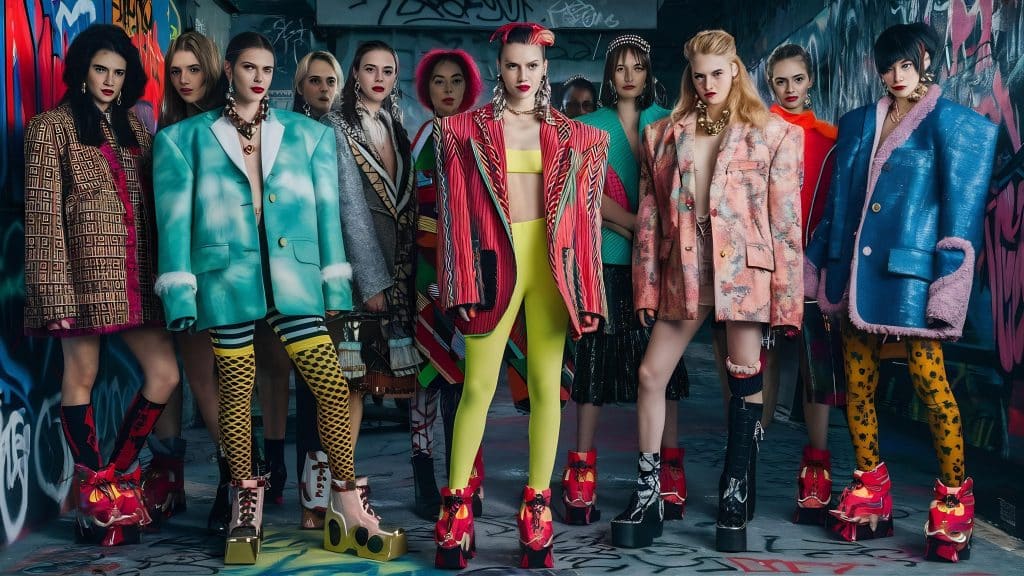
Have you noticed how everything old is new again? Suddenly, it seems like everyone is obsessed with 90s nostalgia US, from the fashion choices on the street to the TV shows dominating streaming queues.
This isn’t just a fleeting trend; it’s a profound cultural phenomenon sweeping across the United States, inviting us to revisit a decade that continues to shape our present in unexpected ways.
Understanding the Allure of the Nineties
The 1990s, often perceived as a transitional decade between the analog past and the digital future, holds a unique place in popular memory.
It was a time before widespread internet saturation, before social media dominated daily interactions, and for many, it represents a period of relative innocence and stability. This collective memory plays a significant role in why 90s nostalgia US is so powerful today.
For those who grew up during this era, the return of 90s aesthetics and cultural touchstones triggers a powerful sense of comfort and familiarity. It’s a journey back to childhood or adolescence, a time often romanticized as less complicated. For younger generations, the 90s offer a fascinating glimpse into a pre-digital world, a source of authentic cool that feels distinct from their own tech-driven reality.
The Psychological Comfort of the Past
Nostalgia, at its core, is a bittersweet emotion that combines longing for the past with a fondness for its memories. Psychologically, it serves as a coping mechanism, a way for individuals to find comfort and meaning, especially during times of uncertainty.
The past few years have been marked by significant global events and rapid societal changes, making the appeal of a supposedly simpler decade even stronger.
Escape from Modern Pressures: The 90s represent a time before constant digital connectivity and the pressures of social media.
Sense of Identity: Reconnecting with childhood memories helps reinforce personal identity and belonging.
Collective Experience: Sharing nostalgic moments creates a bond among groups, fostering community.
This psychological pull is a fundamental reason why the 90s continue to resonate so deeply with people across different age groups in the United States, providing a comforting escape from current anxieties.
The decade’s cultural output, from its groundbreaking music to its distinctive fashion, offers a rich tapestry for individuals to revisit and reinterpret.
Fashion’s Full-Circle Moment: 90s Style Reigns

One of the most visible manifestations of 90s nostalgia US is undoubtedly in fashion. Walk into any major clothing store or scroll through social media, and you’ll be hard-pressed to ignore the overwhelming presence of 90s-inspired apparel. This isn’t just a subtle nod; it’s a full-blown revival of iconic looks that once defined a generation.
From grunge aesthetics to hip-hop influences, the decade offered a diverse range of styles that are now being reinterpreted for modern sensibilities. Oversized silhouettes, baggy jeans, crop tops, slip dresses, and chunky sneakers are just a few examples of items that have made a triumphant return.
What’s particularly interesting is how these styles are being adopted by both millennials, who wore them the first time around, and Gen Z, who are discovering them anew.
Key Fashion Trends Making a Comeback
The return of 90s fashion is not just about individual pieces; it’s about the overall vibe. It’s a blend of comfort, rebellion, and understated cool that feels fresh in contrast to some of the more polished trends of the 2010s. This resurgence has been fueled by celebrity endorsements, social media influencers, and designers drawing direct inspiration from archives.
Grunge Revival: Flannel shirts, ripped denim, combat boots, and band tees are back in full force, embodying a rebellious spirit.
Minimalist Chic: Slip dresses, spaghetti straps, and monochromatic palettes offer a sleek, understated elegance.
Sportswear Influence: Tracksuits, windbreakers, and oversized athletic wear reflect the casual, comfortable side of 90s style.
Denim Everything: High-waisted mom jeans, baggy cuts, and denim jackets remain staples, proving the enduring power of the fabric.
The accessibility of vintage and thrift stores has also played a crucial role, allowing consumers to find authentic 90s pieces and contribute to a more sustainable fashion cycle. This blend of old and new, authentic and reinterpreted, makes 90s fashion a dynamic and ever-evolving aspect of current culture.
The Soundtrack of a Generation: Music’s Enduring Influence
Music is a powerful conduit for nostalgia, and the 90s delivered an incredibly eclectic mix of genres that continue to resonate today. From the raw energy of grunge to the smooth R&B grooves, the infectious beats of hip-hop, and the rise of pop sensations, the decade’s soundtrack was diverse and unforgettable. This enduring appeal is a major factor in the current wave of 90s nostalgia US.
Streaming services have made it easier than ever to revisit these tracks, allowing both original fans and new listeners to discover the musical richness of the era. Playlists dedicated to 90s hits are incredibly popular, and artists from the decade are seeing renewed interest, with many embarking on successful reunion tours or releasing new material that harks back to their earlier sound.
Genre Resurgence and Cultural Impact
Certain genres from the 90s have experienced a particularly strong resurgence, influencing contemporary artists and dominating radio waves once more. This isn’t merely about replaying old songs; it’s about artists finding inspiration in the sounds, lyrical themes, and production styles that defined the decade.
Grunge and Alternative Rock: Bands like Nirvana, Pearl Jam, and Soundgarden continue to influence rock music, with their angst-ridden lyrics and raw guitar riffs.
Hip-Hop’s Golden Age: The beats and rhymes of artists like Tupac, Notorious B.I.G., and Dr. Dre are celebrated for their storytelling and cultural impact.
Pop Sensations: The catchy tunes of Britney Spears, Spice Girls, and NSYNC evoke a sense of carefree fun, often sampled or covered by today’s artists.
R&B Soul: Artists such as Mariah Carey, Boyz II Men, and TLC defined a soulful sound that still influences contemporary R&B.
Beyond individual artists, the 90s saw the rise of iconic music videos, which were a cultural force in their own right, thanks to MTV.
These visual elements are also being revisited and celebrated, adding another layer to the immersive experience of 90s musical nostalgia. The combination of auditory and visual memories creates a powerful emotional connection for many.
Pop Culture Rewind: TV Shows, Movies, and Games
Beyond fashion and music, the 90s also left an indelible mark on television, film, and video games. The proliferation of cable television led to a boom in diverse programming, while Hollywood produced a string of memorable blockbusters and cult classics.
This rich tapestry of entertainment is another cornerstone of the current 90s nostalgia US phenomenon.
Streaming platforms have played a pivotal role in this revival, making beloved 90s sitcoms, dramas, and movies easily accessible to new audiences and old fans alike.
Shows like ‘Friends,’ ‘Seinfeld,’ ‘The X-Files,’ and ‘Buffy the Vampire Slayer’ continue to find new viewers, demonstrating their timeless appeal and cultural relevance. This digital accessibility allows for constant re-engagement with the decade’s iconic content.
Iconic Entertainment That Defined the Era
The 90s were a golden age for many forms of entertainment, offering a mix of groundbreaking storytelling, technological advancements in gaming, and unforgettable characters. This broad appeal ensures that there’s something for everyone to revisit and enjoy, contributing to the widespread nostalgic sentiment.
Television Sitcoms: ‘Friends’, ‘Seinfeld’, ‘Frasier’ offered comfort and humor, reflecting societal changes.
Teen Dramas: ‘Beverly Hills, 90210’ and ‘Dawson’s Creek’ captured the angst and excitement of adolescence.
Sci-Fi and Fantasy: ‘The X-Files’, ‘Star Trek: Deep Space Nine’, and ‘Buffy the Vampire Slayer’ pushed genre boundaries.
Movie Blockbusters: ‘Jurassic Park’, ‘Titanic’, ‘Pulp Fiction’, and Disney Renaissance films became cultural touchstones.
Video Games: The rise of Nintendo 64, PlayStation, and iconic titles like ‘Super Mario 64’, ‘The Legend of Zelda: Ocarina of Time’, and ‘Final Fantasy VII’ defined a new era of gaming.
The ability to re-watch, re-play, and re-experience these cultural artifacts creates a powerful connection to the past. It offers a sense of shared experience, allowing people to bond over common references and relive cherished memories. This readily available content ensures the 90s remain fresh in the collective consciousness.
The Role of Millennials and Gen Z in the Revival
The current surge of 90s nostalgia US can largely be attributed to two key demographics: millennials and Gen Z. Millennials, many of whom came of age during the 90s, are now in their prime earning years and often seek comfort in the familiar.
Gen Z, on the other hand, is discovering the 90s for the first time, often through their parents’ media or curated content online, finding authenticity and inspiration in a pre-digital era.
For millennials, this nostalgia is deeply personal. It’s a longing for a time when life felt simpler, responsibilities were fewer, and the future seemed full of possibility.
They are actively seeking out and consuming 90s content, fashion, and music, both as a form of self-expression and as a way to reconnect with their youth. This demographic’s buying power and influence on social media are significant drivers.
Intergenerational Connection and Discovery
Gen Z’s embrace of the 90s is particularly fascinating. Growing up in a hyper-digital world, they are often drawn to the perceived authenticity and rawness of the decade. They appreciate the DIY aesthetic of grunge, the bold statements of hip-hop fashion, and the practical, less-filtered nature of 90s communication. This cross-generational appeal strengthens the longevity of the trend.
Millennial Re-embrace: Seeking comfort, familiarity, and a connection to their formative years.
Gen Z Discovery: Finding novelty, authenticity, and a sense of ‘cool’ in a pre-internet era.
Social Media Amplification: Platforms like TikTok and Instagram allow for rapid sharing and reinterpretation of 90s trends.
Parental Influence: Many Gen Z individuals are exposed to 90s culture through their millennial or Gen X parents.
The internet, ironically, plays a crucial role in facilitating this nostalgia. While the 90s predated widespread internet use, digital platforms now provide the perfect medium for sharing, discussing, and rediscovering everything from old commercials to obscure music videos. This digital bridge between past and present ensures the 90s remain vibrant and accessible.
Marketing’s Savvy Play: Capitalizing on Nostalgia
It’s no accident that 90s nostalgia US is everywhere; marketers and brands are acutely aware of its power and are actively capitalizing on it.
Companies are strategically re-releasing classic products, collaborating with 90s icons, and designing campaigns that tap into the decade’s aesthetic. This commercialization further solidifies the trend’s presence in daily life.
From clothing brands bringing back archival designs to snack companies reintroducing discontinued flavors, the market is flooded with products designed to evoke a sense of the past.
This isn’t just about selling goods; it’s about selling an emotion, a memory, and a connection to a perceived golden age. The familiarity of these products offers consumers a comforting sense of continuity in a rapidly changing world.
Strategies Driving the Nostalgia Economy
The effectiveness of nostalgia marketing lies in its ability to create an emotional bond with consumers.
By tapping into positive memories, brands can foster loyalty and encourage purchases. This is particularly potent for products that were popular during the 90s, as they come with a built-in audience and a strong emotional resonance.
Product Re-releases: Bringing back iconic toys, snacks, and clothing items from the 90s.
Brand Collaborations: Partnering with 90s celebrities or incorporating 90s themes into modern products.
Retro Packaging: Designing new products with vintage-inspired labels and aesthetics.
Experiential Marketing: Creating pop-up events or themed parties that immerse consumers in a 90s environment.
The digital age has also amplified the reach of nostalgia marketing. Social media campaigns, influencer partnerships, and targeted advertising can quickly spread the word about a new retro product or an old favorite making a comeback.
This strategic alignment of cultural sentiment and commercial interests ensures that 90s nostalgia remains a prominent force in the marketplace.
The Future of Retro: Will 90s Nostalgia End?
Given its pervasive nature, one might wonder if the current wave of 90s nostalgia US is merely a passing fad or if it has deeper roots that suggest a longer stay.
While all trends eventually evolve, the enduring psychological and cultural drivers behind this particular resurgence indicate that the 90s will likely continue to influence American culture for the foreseeable future, albeit perhaps in different forms.
The cyclical nature of fashion and culture means that elements of past decades are always being revisited and reinterpreted. However, the 90s hold a unique position as the last decade before the full digital revolution, offering a distinct aesthetic and a sense of ‘before’ that younger generations find particularly intriguing. This makes its appeal more profound than a simple fashion cycle.
Evolution, Not Extinction
Rather than disappearing entirely, 90s nostalgia is more likely to evolve. We might see specific sub-trends emerge, focusing on niche aspects of the decade, or a more subtle integration of 90s elements into contemporary styles. The foundational appeal of comfort, authenticity, and a longing for simpler times will likely continue to anchor its presence.
Subtler Influences: Direct re-creations may give way to more nuanced interpretations of 90s aesthetics.
Hybrid Trends: The 90s will likely continue to blend with influences from other decades, creating new, unique styles.
Enduring Themes: The core values of individuality, authenticity, and a rejection of hyper-perfection will remain relevant.
Educational Aspect: For younger generations, the 90s will continue to serve as a cultural touchstone for understanding the pre-internet world.
Ultimately, the current obsession with 90s nostalgia is a reflection of our collective desires and anxieties. It’s a way to process the present through the lens of the past, finding comfort, inspiration, and a sense of connection. As long as these needs persist, the spirit of the 90s will likely continue to echo through the landscape of American culture.
| Key Aspect | Brief Description |
|---|---|
| Psychological Comfort | Longing for perceived simpler times and an escape from modern complexities. |
| Fashion Revival | Grunge, minimalist chic, and sportswear making a strong comeback in current trends. |
| Music’s Enduring Appeal | Eclectic genres like grunge, hip-hop, and R&B continue to influence and dominate playlists. |
| Generational Influence | Millennials re-engaging with their youth, while Gen Z discovers the pre-digital era. |
Frequently Asked Questions About 90s Nostalgia
90s nostalgia is strong due to a collective longing for perceived simpler times before widespread digital saturation. It offers psychological comfort amid modern complexities and is amplified by millennials re-engaging with their youth and Gen Z discovering its authentic charm.
Popular 90s fashion trends include grunge aesthetics (flannel, ripped denim), minimalist chic (slip dresses), sportswear (tracksuits, windbreakers), and various denim styles like mom jeans and baggy cuts. These looks are favored for their comfort and distinctive style.
Ironically, modern technology, especially streaming platforms and social media, has significantly fueled 90s nostalgia. These platforms make it easy to access and share 90s music, TV shows, and movies, allowing both old and new fans to discover and revisit the era’s cultural artifacts.
Yes, brands are actively capitalizing on 90s nostalgia through product re-releases, collaborations with 90s icons, retro packaging, and experiential marketing. This strategy taps into consumers’ emotional connections to the past, fostering loyalty and driving sales for familiar items.
While direct reenactments might evolve, 90s nostalgia is unlikely to disappear completely. Its deep psychological roots and constant reinterpretation by new generations suggest it will continue to influence culture, perhaps in subtler forms or blended with other retro trends, for the foreseeable future.
Conclusion
The pervasive phenomenon of 90s nostalgia US is far more than a fleeting trend; it’s a testament to the enduring power of collective memory, psychological comfort, and savvy cultural re-creation. From the streets adorned with grunge aesthetics to streaming services brimming with classic sitcoms, the decade continues to exert a profound influence on contemporary American life.
This multifaceted resurgence, driven by millennials revisiting their formative years and Gen Z discovering a new wellspring of cool, underscores a universal human desire to connect with a past that, for many, represents a period of relative simplicity and authenticity.
As marketers continue to tap into this rich vein of sentiment, and as cultural cycles naturally unfold, the 90s will likely remain a significant touchstone, continuously shaping our present and reminding us that truly impactful eras never truly fade away.