Viral Beauty Hacks: Do These TikTok Trends Really Work?
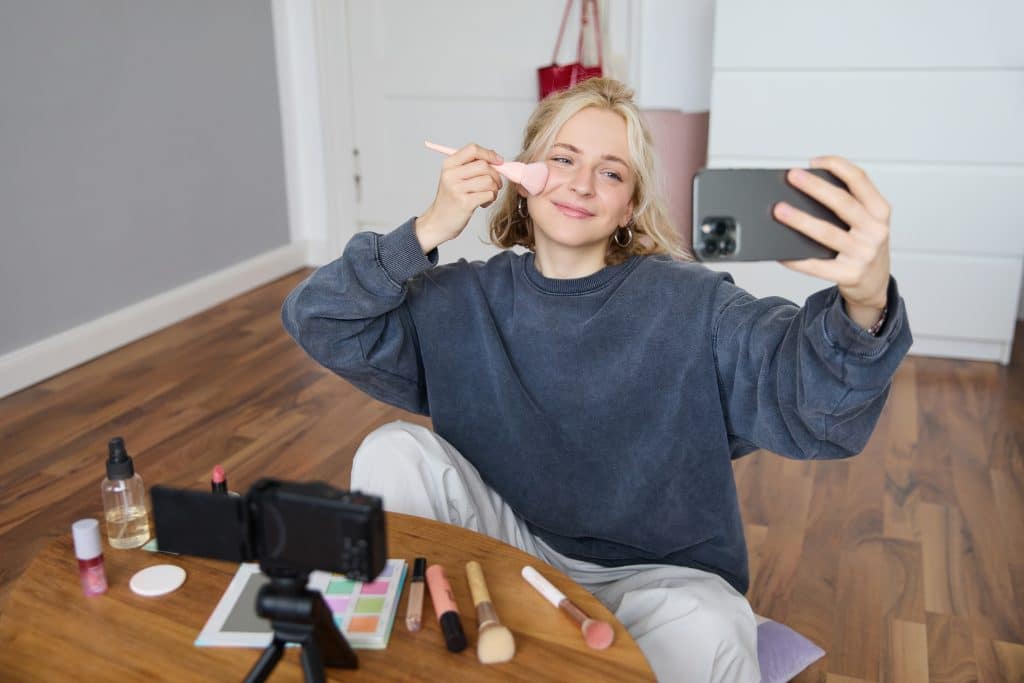
In the fast-paced world of social media, particularly on platforms like TikTok, beauty trends emerge and spread with astonishing speed. From innovative skincare routines to quirky makeup tricks, the allure of a quick fix or a revolutionary technique is undeniable.
But as countless videos promise miraculous results, a crucial question arises: Viral beauty hacks: Do these 3 TikTok trends actually work? We investigate the most talked-about phenomena to separate fact from fiction, ensuring you make informed choices for your beauty regimen.
The Rise of TikTok Beauty Trends: A Double-Edged Sword
TikTok has undeniably revolutionized the beauty industry, transforming everyday users into overnight gurus and creating a dynamic space for sharing tips and tricks.
This democratization of beauty information has its advantages, offering diverse perspectives and accessible content that traditional media often overlooks. However, the sheer volume and rapid dissemination of these viral beauty hacks also present significant challenges.
The platform’s algorithm, designed to prioritize engagement, can inadvertently amplify trends regardless of their scientific backing or safety. This means that while some hacks offer genuine benefits, others might be ineffective, potentially harmful, or even dangerous.
The pressure to go viral often overshadows the importance of rigorous testing or expert consultation, leaving many consumers to experiment without proper guidance.
Understanding the Appeal of Quick Fixes
The appeal of viral beauty hacks lies in their promise of immediate, often dramatic, results with minimal effort or cost. In a world where time is precious and budgets can be tight, a hack that claims to deliver professional-level results using household items or simple techniques is incredibly enticing.
This desire for instant gratification, coupled with the visual nature of TikTok, makes these trends highly addictive and shareable.
Accessibility: Many hacks use readily available products or ingredients.
Cost-effectiveness: Often presented as cheaper alternatives to expensive treatments.
Community aspect: Users feel part of a larger trend, sharing experiences and results.
Visual impact: Before-and-after transformations are highly compelling.
Yet, it is precisely this appeal that necessitates a critical look. Without proper vetting, users risk skin irritation, allergic reactions, or even long-term damage.
Our investigation aims to cut through the hype and provide a clear, evidence-based assessment of whether these compelling viral beauty hacks truly deliver on their promises or if they are simply fleeting fads.
Trend 1: Slug-ging for Ultimate Hydration
One of the most pervasive and intriguing viral beauty hacks to emerge from TikTok is ‘slugging.’ This skincare technique involves applying a thick layer of occlusive ointment, typically petroleum jelly, as the final step in your nightly routine.
The idea is to create a protective barrier that seals in moisture, preventing transepidermal water loss and promoting intense hydration. Enthusiasts claim it leads to incredibly soft, plump, and dewy skin by morning.
The concept isn’t entirely new; dermatologists have long recommended occlusives for extremely dry or compromised skin. However, TikTok brought slugging to the mainstream, turning it into a widespread phenomenon.
The visual of a shiny, ‘slug-like’ face quickly captured attention, promising an easy path to a coveted glow.
The Science Behind Slugging
From a scientific standpoint, slugging does have a basis in dermatology. Occlusive ingredients like petroleum jelly are highly effective at forming a physical barrier on the skin’s surface.
This barrier significantly reduces the rate at which water evaporates from the skin, a process known as transepidermal water loss (TEWL). By minimizing TEWL, the skin’s natural moisture barrier is strengthened, leading to improved hydration and a healthier complexion.
Enhanced moisture retention: Prevents water loss, keeping skin hydrated.
Barrier repair: Supports the skin’s natural protective function.
Softens skin: Regular use can lead to a smoother texture.
Reduces irritation: Protects compromised skin from external irritants.
However, while beneficial for those with dry or mature skin, slugging might not be suitable for everyone. Individuals with oily or acne-prone skin could find that the occlusive layer traps sebum and dead skin cells, potentially exacerbating breakouts. It’s crucial to ensure your skin is clean and free of active ingredients that could be trapped and cause irritation before applying an occlusive layer.
In conclusion, slugging is a viral beauty hack with legitimate scientific backing for hydration and barrier repair, particularly for dry skin types. Its effectiveness is real, but careful consideration of one’s skin type and existing routine is essential to avoid potential pitfalls. For many, it can be a game-changer for achieving deeply moisturized skin.
Trend 2: Rosemary Oil for Hair Growth
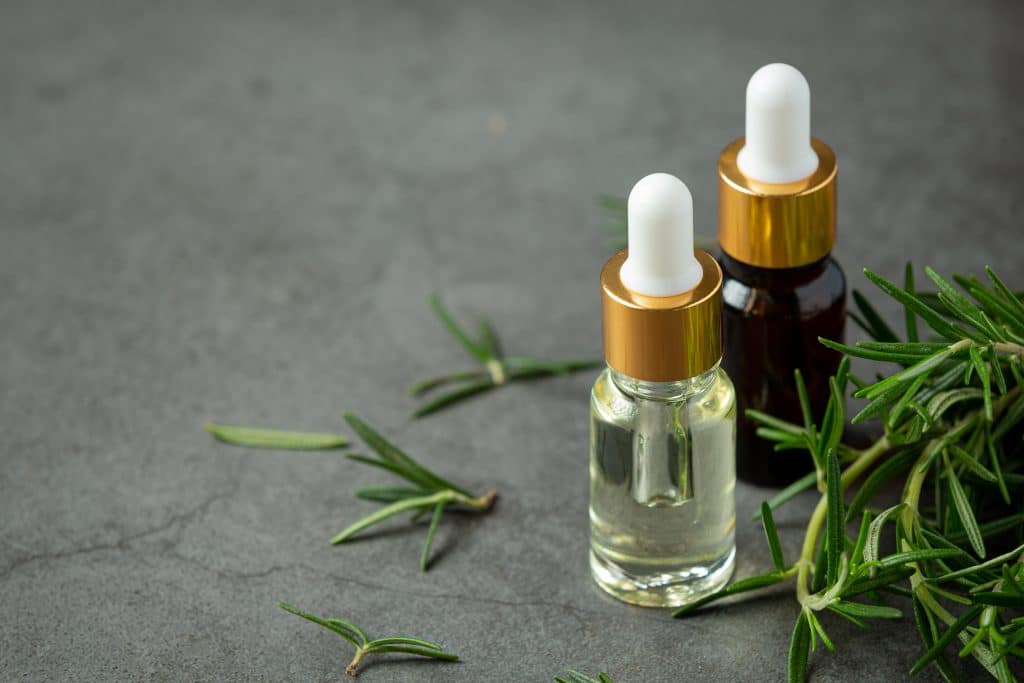
Another hugely popular viral beauty hack sweeping TikTok involves using rosemary oil for hair growth. Videos showcase impressive before-and-after transformations, with users claiming significant improvements in hair thickness, density, and reduced hair fall. The method typically involves massaging diluted rosemary oil into the scalp a few times a week, either as a pre-shampoo treatment or left on overnight.
The enthusiasm for this natural remedy is understandable, given the widespread desire for healthier, fuller hair and the potential side effects associated with some conventional hair growth treatments. Many are looking for a more organic and accessible alternative, and rosemary oil has certainly captured that interest on social media.
Evaluating the Evidence for Rosemary Oil
The claims surrounding rosemary oil aren’t entirely unfounded. Some scientific studies have explored the potential of rosemary oil for hair growth.
One frequently cited study, published in 2015, compared rosemary oil to minoxidil 2% (a common hair loss treatment) and found that both groups experienced significant hair growth after six months, with no significant difference between them. This suggests that rosemary oil may indeed possess properties beneficial for stimulating hair follicles.
The proposed mechanism involves rosemary oil’s ability to improve blood circulation to the scalp, which in turn delivers more nutrients to the hair follicles. It also contains anti-inflammatory and antioxidant properties that could contribute to a healthier scalp environment, essential for robust hair growth.
However, it’s important to note that most studies are relatively small, and more extensive research is still needed to firmly establish its efficacy and optimal usage.
Improved circulation: Believed to stimulate blood flow to the scalp.Anti-inflammatory properties: Can soothe scalp irritation.
Antioxidant benefits: Protects hair follicles from damage.
Natural alternative: Appeals to those seeking botanical remedies.
While rosemary oil shows promise as a viral beauty hack for hair growth, users should exercise caution. Essential oils are potent and must be diluted with a carrier oil (like jojoba or coconut oil) before applying to the scalp to prevent irritation or allergic reactions. Patch testing is always recommended.
For individuals experiencing significant hair loss, consulting a dermatologist is paramount, as underlying medical conditions may be contributing factors that require professional diagnosis and treatment.
So, does this viral beauty hack work? The evidence is encouraging, suggesting rosemary oil can indeed be a helpful addition to a hair care routine for promoting growth. However, it’s not a miracle cure and should be used cautiously and consistently, with realistic expectations.
Trend 3: ‘Lash Botox’ and Lash Lifts at Home
The desire for long, voluminous lashes without daily mascara or extensions has fueled another highly popular category of viral beauty hacks: at-home lash lifts and ‘lash botox’ treatments.
These trends involve using perm solutions, neutralizing creams, and sometimes nourishing serums to chemically curl and lift natural lashes, aiming for a semi-permanent mascara-like effect. TikTok is flooded with tutorials demonstrating how to achieve these results using DIY kits purchased online.
The appeal is clear: professional lash lifts can be expensive and time-consuming, making the prospect of achieving similar results in the comfort of your home, at a fraction of the cost, incredibly attractive. The promise of waking up with perfectly curled lashes has captivated many beauty enthusiasts.
The Risks and Realities of DIY Lash Treatments
While the idea of DIY lash lifts and ‘lash botox’ (which typically refers to a conditioning treatment, not actual botox) is tempting, the reality presents significant risks. The chemicals used in perm solutions are strong and designed for professional application.
The delicate skin around the eyes and the eyes themselves are highly sensitive and vulnerable to irritation, chemical burns, or allergic reactions. Improper application can lead to:
Chemical burns: If solutions come into contact with the eye or surrounding skin.
Lash damage: Over-processing can cause lashes to become brittle, break, or fall out.
Allergic reactions: To the chemicals or adhesives in the kit.
Eye infections: From unsterile tools or improper technique.
Even if a kit comes with clear instructions, applying these solutions accurately and safely to one’s own lashes, especially those on the non-dominant eye, is exceptionally challenging. Professionals undergo extensive training to ensure precision and minimize risks.
The ‘before and after’ videos on TikTok often don’t fully convey the potential dangers or the expertise required for safe application.
This particular viral beauty hack, while offering the potential for impressive results, carries a high risk-to-reward ratio for at-home users. The delicate nature of the eye area warrants extreme caution.
For those seeking lash enhancements, professional treatments performed by certified technicians remain the safest and most effective option. The temporary cost savings of a DIY kit are often not worth the potential long-term damage or discomfort.
Beyond the Hype: Factors to Consider Before Trying Viral Hacks

The allure of viral beauty hacks is strong, but a discerning approach is crucial. Before jumping on the next big trend, it’s vital to consider several key factors that can impact both the effectiveness and safety of any DIY beauty solution.
Not all skin types react the same way, and what works for one person might be detrimental to another. Understanding these nuances can save you from potential skin irritation, disappointment, or even long-term damage.
The internet, while a treasure trove of information, lacks the regulatory oversight of professional beauty advice.
This means that anyone can post a video, regardless of their expertise or the scientific validity of their claims. Therefore, a healthy dose of skepticism, combined with a commitment to personal research, is your best defense against ineffective or harmful trends.
Personal Skin and Hair Type Assessment
One of the most critical steps before trying any new viral beauty hack is to honestly assess your own skin or hair type and concerns. For instance, slugging might be a godsend for dry skin but a nightmare for oily, acne-prone complexions.
Similarly, certain natural ingredients might trigger allergic reactions in sensitive individuals. Knowing your body’s unique needs and sensitivities can guide your choices.
Identify your skin type: Oily, dry, combination, sensitive, or normal.
Note any existing conditions: Acne, eczema, rosacea, allergies.
Understand your hair type: Oily, dry, fine, thick, color-treated.
Consult a professional: If you have severe conditions or are unsure.
Patch testing is another non-negotiable step. Always apply a small amount of any new product or concoction to an inconspicuous area of skin (like behind the ear or on the inner forearm) and wait 24-48 hours to check for any adverse reactions. This simple precaution can prevent widespread irritation or allergic responses.
Furthermore, consider the source of the information. Is the person promoting the hack a qualified expert, or simply an influencer? While influencers can be great for discovering new products, their advice isn’t always rooted in scientific understanding.
Prioritize information from dermatologists, estheticians, and trichologists when it comes to significant changes to your beauty routine. This critical evaluation is key to safely navigating the world of viral beauty hacks.
Expert Opinions and Professional Alternatives
When it comes to beauty, the advice of qualified professionals often stands in stark contrast to the quick-fix promises of many viral beauty hacks. Dermatologists, estheticians, and trichologists bring years of education, training, and practical experience to the table.
Their recommendations are grounded in scientific research, understanding of skin and hair physiology, and a realistic assessment of what can be safely and effectively achieved.
While TikTok offers entertainment and inspiration, it’s essential to recognize its limitations as a source of authoritative beauty advice.
This means that anyone can post a video, regardless of their expertise or the scientific validity of their claims. Therefore, a healthy dose of skepticism, combined with a commitment to personal research, is your best defense against ineffective or harmful trends.
When to Seek Professional Guidance
For any significant skin, hair, or nail concern, or before attempting potentially risky treatments, consulting a professional is always the safest route. For instance, while rosemary oil shows promise, a dermatologist can identify the root cause of hair loss and prescribe more effective treatments if necessary.
Similarly, professional lash lifts are performed under controlled conditions with specialized products and techniques, minimizing the risks associated with DIY kits. This ensures both safety and optimal results.
Persistent skin issues: Acne, eczema, rosacea that won’t clear up.
Significant hair loss: Beyond normal shedding.
Allergic reactions: To cosmetics or environmental factors.
Desire for permanent changes: Such as chemical peels or injectables.
Professionals also have access to higher-grade ingredients and advanced technologies that are not available to the general public.
They can guide you through complex routines, explain ingredient interactions, and help you build a sustainable beauty regimen that truly benefits your skin and hair in the long run. Relying solely on viral beauty hacks without this level of expert input can lead to wasted money, disappointing results, or even adverse health outcomes.
Ultimately, while some viral beauty hacks may offer legitimate benefits, integrating them into a routine should ideally be done with professional insight.
This responsible approach ensures that you harness the best of both worlds: the innovation of online trends and the trusted expertise of beauty specialists, leading to healthier and more beautiful outcomes.
The Verdict: Navigating Viral Beauty Hacks Safely
Our investigation into popular viral beauty hacks from TikTok reveals a nuanced reality: some trends hold genuine promise, while others are best approached with extreme caution or avoided altogether.
The digital landscape of beauty is a fascinating space, constantly evolving with new ideas and techniques. However, the speed at which these trends proliferate often outpaces the critical evaluation needed to determine their safety and efficacy.
Slugging, for instance, has a solid dermatological foundation for enhancing skin hydration, especially for those with dry skin. Rosemary oil for hair growth shows encouraging scientific support, presenting a natural alternative for stimulating follicles.
In contrast, at-home lash lifts and similar chemical treatments pose significant risks, underscoring the importance of professional application for such delicate procedures. This highlights a crucial takeaway: not all viral trends are created equal.
Empowering Your Beauty Choices
The key to safely navigating the world of viral beauty hacks lies in informed decision-making. It’s about being an educated consumer, equipped to discern between legitimate advice and potentially harmful fads.
This involves a combination of personal research, understanding your own body, and knowing when to consult with experts. Don’t let the pressure to participate in a trend override common sense or personal safety.
Research thoroughly: Look for scientific studies and expert reviews.
Understand ingredients: Know what you’re putting on your skin or hair.
Patch test everything: Always test new products or DIY solutions on a small area first.
Listen to your body: Discontinue use if irritation or adverse reactions occur.
Consult professionals: For serious concerns or before trying high-risk procedures.
Ultimately, the goal is to cultivate a beauty routine that is both effective and safe, contributing positively to your overall well-being. While viral beauty hacks can be exciting and sometimes genuinely beneficial, they should always be approached with a critical eye and a commitment to protecting your health.
By doing so, you can harness the best of online trends while avoiding their potential pitfalls, ensuring your beauty journey is both enjoyable and rewarding.
| Beauty Hack | Verdict & Key Takeaway |
|---|---|
| Slugging | Effective for hydration, especially dry skin. Use cautiously if acne-prone. |
| Rosemary Oil for Hair | Promising evidence for growth; dilute and patch test. Consult a doctor for severe loss. |
| DIY Lash Lifts | High risk of damage/irritation. Best left to certified professionals. |
Frequently Asked Questions About Viral Beauty Hacks
Not all viral beauty hacks are unsafe, but many carry risks, especially those involving strong chemicals or intricate procedures. Simple hydration techniques like slugging can be effective and relatively safe, while DIY chemical treatments for lashes or hair can pose significant dangers if not done by a professional.
To determine legitimacy, look for hacks supported by scientific evidence or endorsed by dermatologists and licensed estheticians. Cross-reference information from multiple reputable sources, read reviews, and be wary of claims that sound too good to be true, especially if they promise instant or miraculous results without any risk.
The biggest risks include skin irritation, allergic reactions, chemical burns, infections, and long-term damage to skin or hair. Some hacks might also be ineffective, leading to wasted time and money. Always prioritize safety over trends, and perform a patch test before full application.
Yes, consulting a dermatologist or a licensed beauty professional is highly recommended, especially if you have sensitive skin, existing skin conditions, or are considering hacks involving strong ingredients. They can assess your individual needs and advise on the safety and suitability of a particular trend for your skin or hair type.
Some hacks focusing on gentle hydration, like slugging with petroleum jelly for very dry skin, or using certain natural oils (properly diluted) for scalp massage, can be safe and effective for many. However, individual reactions vary, so always proceed with caution and prioritize patch testing and reputable sources.
Conclusion
The world of viral beauty hacks on TikTok is a dynamic and often captivating space, offering both innovative solutions and potential pitfalls. Our investigation into slugging, rosemary oil for hair growth, and at-home lash lifts reveals a spectrum of efficacy and safety.
While some trends, like slugging, are rooted in dermatological principles and can offer genuine benefits when applied correctly, others, particularly those involving strong chemicals and delicate areas like the eyes, carry significant risks that often outweigh their perceived advantages.
The key takeaway is the critical importance of informed decision-making. As consumers, it’s essential to approach these trends with a discerning eye, prioritizing personal safety, conducting thorough research, and understanding when to consult with experts.
By doing so, you can harness the best of online trends while avoiding their potential pitfalls, ensuring your beauty journey is both enjoyable and rewarding.