Cybersecurity in US Daily Life: Protecting Your Data
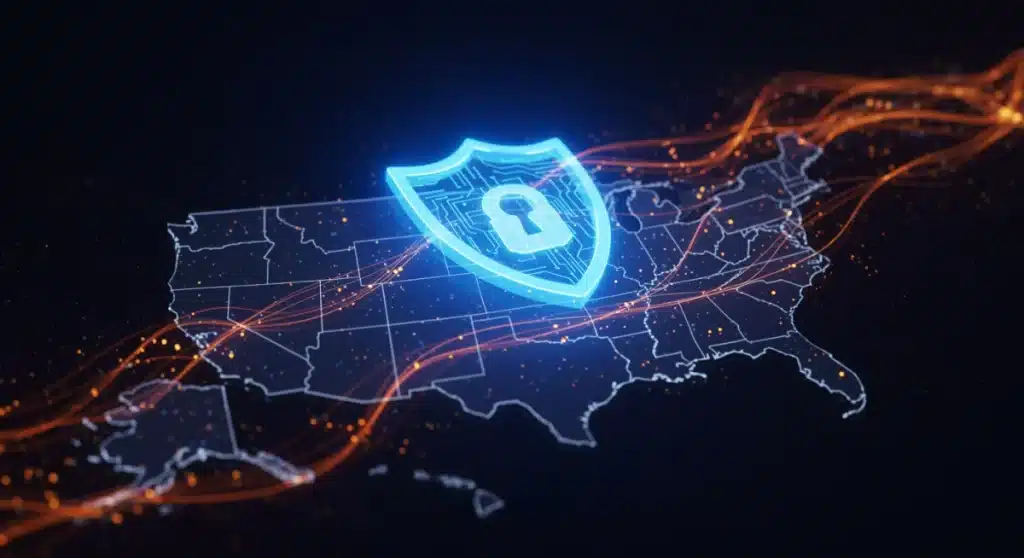
Cybersecurity in US daily life is paramount, encompassing everything from securing personal financial transactions to safeguarding critical national infrastructure against sophisticated digital threats.
In an increasingly interconnected world, the growing importance of cybersecurity in US daily life cannot be overstated. From the moment we wake up and check our smartphones to our online shopping and professional interactions, our lives are deeply intertwined with digital systems.
This pervasive digital presence, while offering unparalleled convenience, also exposes us to a myriad of cyber threats that demand constant vigilance and robust protection strategies.
The Digital Transformation of American Life
The United States has embraced digital transformation at an unprecedented pace, integrating technology into virtually every facet of daily existence.
This shift has redefined how Americans work, communicate, shop, and access essential services, creating a vast digital landscape. However, this rapid evolution also presents significant vulnerabilities, making effective cybersecurity more critical than ever.
The convenience of digital services comes with the inherent risk of data breaches, identity theft, and malicious attacks.
As more personal and sensitive information migrates online, the potential consequences of inadequate security measures grow exponentially. Understanding this landscape is the first step toward building a more secure digital future for everyone.
Ubiquitous Connectivity and Its Risks
Every connected device, from smartphones to smart home appliances, represents a potential entry point for cybercriminals. The sheer volume of data generated and transmitted daily creates a complex web of interactions that can be exploited by those with malicious intent.
Personal Devices: Smartphones, tablets, and laptops hold a wealth of personal data.
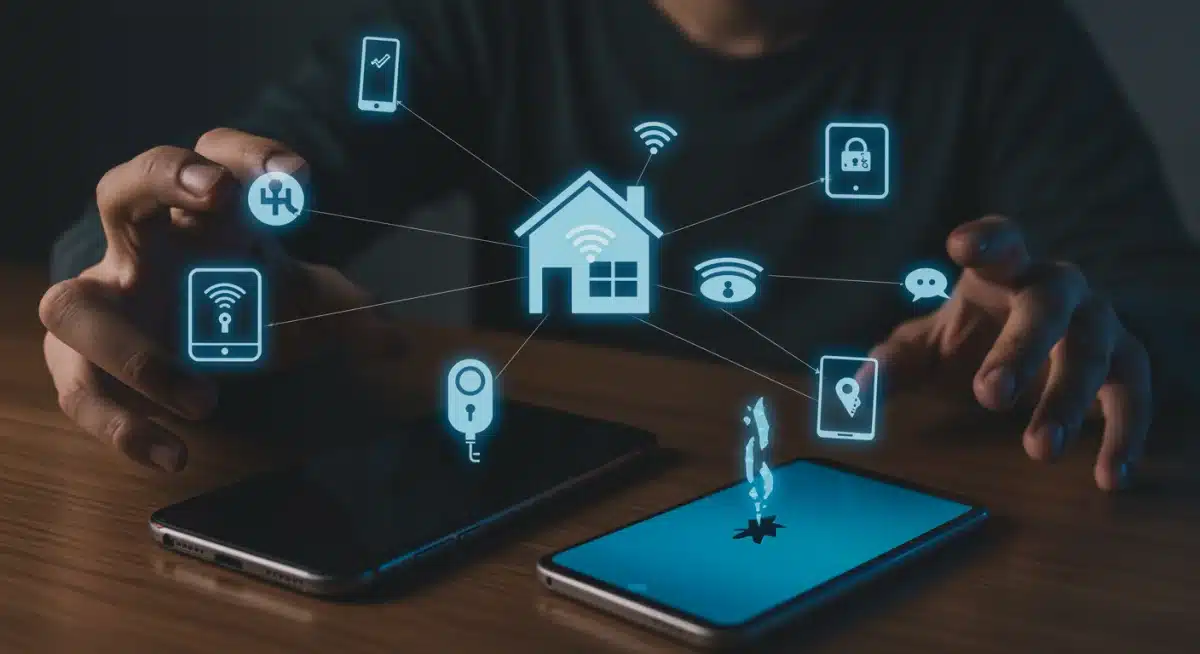
Smart Home Technology: IoT devices, like smart thermostats and security cameras, often have weaker security protocols.
Public Wi-Fi Networks: Unsecured networks are fertile ground for data interception.
The continuous expansion of digital touchpoints means that individuals and organizations must adopt a proactive stance on cybersecurity. Relying solely on basic protections is no longer sufficient in an environment where threats are constantly evolving and becoming more sophisticated.
The digital transformation has brought immense benefits, but it also places a heavy burden on individuals and institutions to protect their digital assets. Without proper cybersecurity measures, the very innovations that enhance our lives can become conduits for significant harm. It is a constant balancing act between convenience and security.
Understanding the Landscape of Cyber Threats
The types of cyber threats facing Americans are diverse and constantly evolving, ranging from simple phishing scams to advanced persistent threats (APTs) orchestrated by nation-states.
Each threat vector requires a different approach to mitigation and prevention, underscoring the complexity of modern cybersecurity. Staying informed about these threats is crucial for both individuals and organizations.
Cybercriminals are increasingly sophisticated, employing social engineering tactics, exploiting software vulnerabilities, and leveraging artificial intelligence to bypass traditional security measures. This arms race between attackers and defenders means that static security solutions are often quickly rendered obsolete.


Common Cyber Attack Vectors
Knowing the common ways attackers try to gain access is the first step in defending against them. These vectors often target human vulnerabilities as much as technical ones.
Phishing: Deceptive emails or messages designed to trick users into revealing sensitive information.
Malware: Malicious software, including viruses, ransomware, and spyware, designed to damage or gain unauthorized access to computer systems.
Ransomware: A type of malware that encrypts files and demands payment for their release, often targeting critical infrastructure.
Identity Theft: The fraudulent appropriation and use of another person’s identifying information.
Beyond these, newer threats like deepfakes and advanced AI-driven attacks are emerging, making the threat landscape even more challenging. The sheer volume and variety of attacks necessitate a multi-layered security approach that addresses both technical and human elements of defense.
The constant evolution of cyber threats means that individuals and organizations must remain agile and adaptive in their defense strategies. What was effective yesterday may not be today, emphasizing the need for continuous learning and updating of security protocols.
Impact on Individuals: Protecting Personal Data
For the average American, cybersecurity directly translates to the safety of their personal data. Financial records, health information, social security numbers, and even personal communications are all vulnerable to theft and misuse if not properly secured.
The consequences of a personal data breach can be devastating, leading to financial loss, damaged credit, and emotional distress.
The digital footprints we leave behind are extensive, and each piece of information, no matter how small, can be leveraged by cybercriminals. From online shopping details to social media activity, every interaction contributes to a profile that, if compromised, can be used for malicious purposes.
Securing Your Digital Footprint
Taking concrete steps to secure personal data is no longer optional; it is a fundamental responsibility in the digital age. Simple yet effective practices can significantly reduce exposure to risks.
Strong, Unique Passwords: Use a combination of letters, numbers, and symbols, and avoid reusing passwords across different accounts.
Multi-Factor Authentication (MFA): Adds an extra layer of security by requiring a second form of verification.
Software Updates: Regularly update operating systems and applications to patch known vulnerabilities.
Be Wary of Phishing: Always verify the sender of suspicious emails or messages before clicking links or downloading attachments.
Beyond these foundational measures, understanding privacy settings on social media and other platforms is also crucial. Many individuals unknowingly expose vast amounts of personal information that can be scraped and used by cybercriminals. A proactive approach to managing one’s digital presence is essential.
Ultimately, the burden of personal data protection largely falls on the individual. While companies and governments play a role, personal vigilance and adherence to best practices are the most effective deterrents against common cyber threats.
Business and Economic Implications of Cyber Attacks
Cybersecurity is not just a personal concern; it has profound implications for businesses, from small local shops to multinational corporations.
A successful cyber attack can result in significant financial losses, reputational damage, legal liabilities, and even operational shutdowns. The economic impact extends far beyond the immediate victims, affecting supply chains and consumer confidence.
Companies are increasingly targeted because they hold vast amounts of customer data and intellectual property, making them attractive targets for profit-driven cybercriminals and state-sponsored espionage. The cost of recovering from a breach can be astronomical, often including forensic investigations, legal fees, regulatory fines, and customer notification expenses.
Protecting Corporate Assets and Customer Trust
Businesses must invest heavily in cybersecurity infrastructure and employee training to protect their assets and maintain customer trust. A single breach can erode years of brand building and customer loyalty.
Employee Training: The human element remains the weakest link; regular training can mitigate risks.
Robust Network Security: Firewalls, intrusion detection systems, and encryption are vital.
Incident Response Plans: Having a clear plan for what to do in case of a breach minimizes damage.
Data Backup and Recovery: Regular backups ensure business continuity even after a ransomware attack.
Beyond technical solutions, establishing a culture of security within an organization is paramount. Every employee, from the CEO to the intern, plays a role in maintaining a secure environment. Ignoring cybersecurity risks is no longer a viable business strategy.
The economic well-being of the nation relies heavily on the security of its businesses. When companies are crippled by cyber attacks, it has a ripple effect that can destabilize markets and reduce overall productivity, underscoring the interconnectedness of national security and corporate cybersecurity.
National Security and Critical Infrastructure
Perhaps the most far-reaching aspect of cybersecurity’s importance in the US is its role in national security and the protection of critical infrastructure.
Power grids, water systems, transportation networks, and healthcare facilities are all increasingly reliant on digital systems, making them prime targets for state-sponsored attacks or sophisticated criminal groups.
A successful attack on critical infrastructure could have catastrophic consequences, disrupting essential services, endangering lives, and causing widespread panic.
The US government, through agencies like CISA (Cybersecurity and Infrastructure Security Agency), is actively working to fortify these systems against ever-growing threats.
Governmental and International Collaboration
Protecting national assets requires a concerted effort involving government agencies, private sector partners, and international allies. Information sharing and collaborative defense strategies are essential to counter global cyber threats.
Information Sharing: Agencies and private companies share threat intelligence to preempt attacks.
International Treaties: Agreements with other nations to combat transnational cybercrime.
Investment in R&D: Continuous research and development of advanced cybersecurity technologies.
The defense against cyber attacks on critical infrastructure is a continuous, dynamic process. It requires not only technological superiority but also a deep understanding of geopolitical motivations and the evolving tactics of adversaries. This high-stakes environment demands constant vigilance and adaptation.
In the digital age, the defense of national security is inseparable from the strength of cybersecurity systems. As governments, businesses, and public services become increasingly interconnected, the potential impact of cyber threats extends far beyond data breaches—reaching into the core operations that keep society functioning.
From power grids and water systems to healthcare networks and transportation infrastructure, these critical sectors rely heavily on secure digital frameworks to operate safely and efficiently.
Protecting this infrastructure is not solely a technological challenge; it is a comprehensive effort that involves policy development, workforce training, public-private collaboration, and continuous risk assessment.
Cyberattacks targeting essential systems can disrupt daily life, compromise sensitive information, and even pose risks to public safety. Therefore, safeguarding these assets is fundamental to maintaining stability and trust within society.
Moreover, resilience is just as important as prevention. Ensuring that systems can quickly recover from cyber incidents helps minimize disruption and maintain continuity of essential services. This includes investing in backup systems, incident response strategies, and regular security testing.
Ultimately, cybersecurity serves as a cornerstone of modern national defense. By prioritizing the protection of critical infrastructure, the United States not only defends against evolving digital threats but also preserves the integrity, safety, and functionality of the systems that millions of Americans depend on every day.
The Future of Cybersecurity in the US
Looking ahead, the landscape of cybersecurity in the US is poised for continuous transformation. Emerging technologies, such as artificial intelligence, quantum computing, and the further proliferation of IoT devices, will introduce both new avenues for innovation and novel security challenges.
Preparing for these future threats requires foresight, adaptability, and sustained investment in both technology and human capital.
The integration of artificial intelligence (AI) into cybersecurity is transforming how threats are detected and managed.
AI-powered systems can analyze vast amounts of data in real time, identifying unusual patterns and responding to potential breaches faster than traditional methods. This significantly strengthens defense mechanisms and reduces response times.
However, this same technology also introduces new risks. Cybercriminals are increasingly leveraging AI to create more sophisticated, adaptive, and evasive malware capable of bypassing conventional security measures, making the threat landscape more complex than ever.
At the same time, the emergence of quantum computing—though still in its early stages—poses a profound long-term challenge to current cybersecurity frameworks.
Quantum machines have the theoretical capability to break widely used encryption standards, such as RSA and ECC, which currently protect sensitive data across the internet. This looming possibility is pushing researchers and governments to develop “post-quantum” cryptographic methods designed to withstand quantum-level attacks.
As these technologies evolve, organizations and individuals alike must stay informed and adaptable. The future of cybersecurity will depend on balancing innovation with resilience, ensuring that advancements like AI and quantum computing strengthen defenses rather than widen vulnerabilities.
Adapting to Emerging Technologies
The cybersecurity community must remain agile, constantly researching and developing solutions that can withstand future threats. This involves a multi-faceted approach to innovation and education.
AI and Machine Learning: Leveraging these for advanced threat detection and anomaly identification.
Quantum-Resistant Cryptography: Developing new encryption methods to secure data against future quantum attacks.
Zero Trust Architecture: Implementing security models that assume no user or device can be trusted by default.
Cybersecurity Workforce Development: Addressing the significant shortage of skilled cybersecurity professionals.
Furthermore, ethical considerations surrounding AI and data privacy will become even more prominent, requiring careful legislative and policy development. Striking a balance between innovation, security, and individual rights will be a defining challenge for the future of cybersecurity.
The future of cybersecurity in the United States will be defined by rapid technological evolution and a constant race against increasingly advanced and organized cyber threats.
As digital systems become more integrated into everyday life—from smart homes to financial platforms and critical infrastructure—the attack surface expands, giving adversaries more opportunities to exploit vulnerabilities.
This dynamic environment demands not only stronger defenses but also faster, more intelligent responses to emerging risks.
Continuous adaptation will be essential. Organizations must regularly update their security frameworks, adopt advanced tools like AI-driven threat detection, and stay ahead of evolving attack techniques such as ransomware-as-a-service and zero-day exploits. Static defenses are no longer sufficient; cybersecurity strategies must be agile, proactive, and capable of evolving alongside threats.
Collaboration will also play a pivotal role in strengthening national resilience. Public and private sectors must work together, sharing threat intelligence and best practices to create a more unified defense system.
Government agencies, tech companies, and educational institutions all contribute to building a stronger cybersecurity ecosystem that can respond collectively to large-scale threats.
Education remains one of the most powerful tools in this landscape. Training cybersecurity professionals, raising awareness among everyday users, and promoting safe digital habits can significantly reduce risks.
Human error continues to be a leading cause of breaches, making awareness and skill development just as important as technological solutions.
Ultimately, successfully navigating the future of cybersecurity in the US will require a balanced approach—one that combines innovation, cooperation, and continuous learning.
By embracing these principles, individuals and organizations can better protect their data, systems, and the broader digital infrastructure that underpins modern society.
| Key Aspect | Brief Description |
|---|---|
| Personal Data Protection | Safeguarding individual financial, health, and identity information from theft and misuse. |
| Business Resilience | Protecting corporate assets, customer trust, and ensuring operational continuity against cyber attacks. |
| National Security | Defending critical infrastructure like power grids and healthcare systems from state-sponsored threats. |
| Future Threats | Addressing challenges from AI, quantum computing, and IoT proliferation with adaptive strategies. |
Frequently Asked Questions About Cybersecurity
The primary goal is to protect individuals and organizations from digital threats, safeguarding personal data, financial assets, and critical infrastructure against unauthorized access, damage, or disruption. It ensures trust and safety in our increasingly connected world.
Protecting personal information online involves using strong, unique passwords, enabling multi-factor authentication, regularly updating software, and being vigilant against phishing attempts. Limiting shared information on social media also helps reduce exposure.
Cybersecurity is crucial for US businesses to protect sensitive customer data, intellectual property, and operational continuity. Breaches can lead to significant financial losses, reputational damage, legal issues, and a loss of customer trust, impacting economic stability.
The US government, through agencies like CISA, plays a vital role in protecting critical infrastructure, sharing threat intelligence, and establishing policies. It collaborates with the private sector and international partners to enhance national cyber defenses and respond to threats.
Emerging threats include sophisticated AI-driven attacks, potential vulnerabilities from quantum computing, and increased risks associated with the vast network of IoT devices. These require continuous innovation in defense strategies and workforce development to counteract effectively.
Conclusion
The growing importance of cybersecurity in US daily life is undeniable, evolving from a niche technical concern into a fundamental pillar of personal safety, economic stability, and national security. As technology continues to integrate deeper into every aspect of our lives, the challenges posed by cyber threats will only intensify.
Protecting data and digital systems requires a collective effort: individuals must adopt best practices, businesses must invest in robust defenses, and governments must foster collaboration and innovation.
By prioritizing cybersecurity, the US can better navigate the digital future, ensuring that the benefits of technological advancement are realized without compromising the safety and privacy of its citizens.