The $2,000 Emergency Fund Challenge: Build Your Safety Net in 3 Months
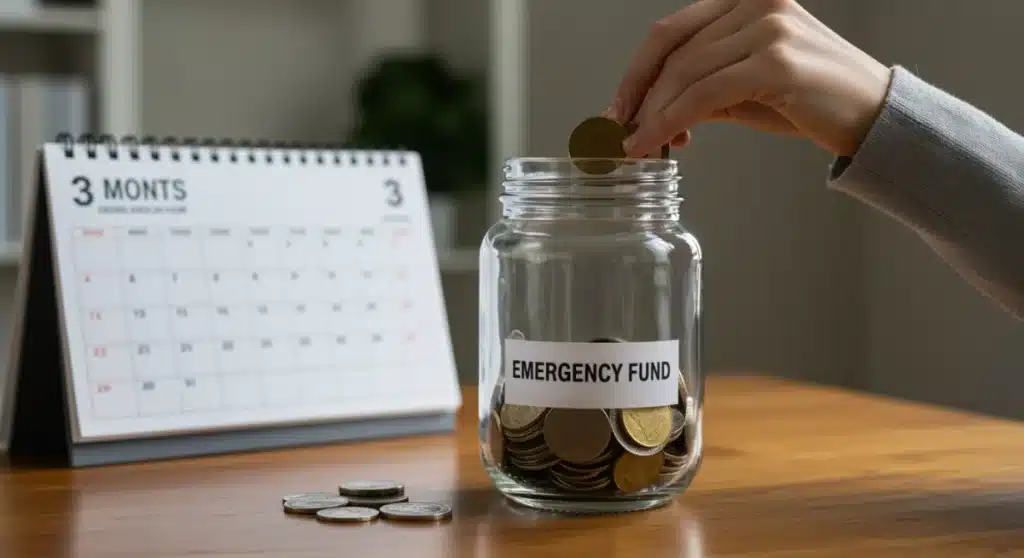
Building a robust financial safety net is crucial for stability, and The $2,000 Emergency Fund Challenge: Build Your Safety Net in 3 Months offers a structured approach to achieve this vital goal, safeguarding against unforeseen expenses without incurring debt.
Embarking on The $2,000 Emergency Fund Challenge: Build Your Safety Net in 3 Months is more than just saving money; it’s about securing peace of mind. In an unpredictable world, having a financial cushion is not a luxury, but a necessity.
This challenge will guide you, step-by-step, through a focused three-month journey to build a substantial emergency fund, ensuring you’re prepared for whatever life throws your way.
Understanding the Importance of an Emergency Fund
An emergency fund is your financial shield, a dedicated pool of money set aside specifically for unexpected expenses.
It acts as a buffer between you and financial disaster, preventing you from going into debt when unforeseen circumstances arise.
Without one, a sudden job loss, medical emergency, or car repair can quickly derail your financial stability and lead to long-term stress.
Many people underestimate the power of an emergency fund until they desperately need it. Think of it as insurance for your finances; you hope you never have to use it, but you are immensely grateful it’s there if you do.
This challenge aims to build a foundational $2,000 emergency fund, a significant first step towards comprehensive financial security.
Why $2,000 is a Great Starting Point
While financial experts often recommend three to six months’ worth of living expenses, $2,000 is an achievable and highly impactful initial goal. It’s enough to cover many common emergencies without feeling overwhelming. This amount can typically handle:
Minor car repairs
Unexpected medical co-pays or deductibles
Small home repairs
Temporary income gaps
Reaching this initial target provides a massive psychological boost and builds momentum for further saving. It demonstrates that you are capable of disciplined financial action and sets a strong precedent for future wealth building.
In essence, an emergency fund is about freedom—freedom from financial anxiety and the freedom to make sound decisions during crises, rather than desperate ones. It allows you to navigate life’s inevitable bumps without compromising your long-term financial goals or accumulating high-interest debt.
Month 1: Setting the Foundation and Identifying Savings Opportunities
The first month of The $2,000 Emergency Fund Challenge is all about laying a solid groundwork.
This involves understanding your current financial landscape, setting clear goals, and identifying where your money is actually going. Without this foundational step, any saving efforts might feel like shots in the dark.
Start by gaining absolute clarity on your income and expenses. This isn’t just about knowing your paycheck amount; it’s about meticulously tracking every dollar that comes in and goes out. This initial deep dive into your finances will reveal patterns and, more importantly, highlight areas where you can trim spending and redirect funds towards your emergency savings goal.
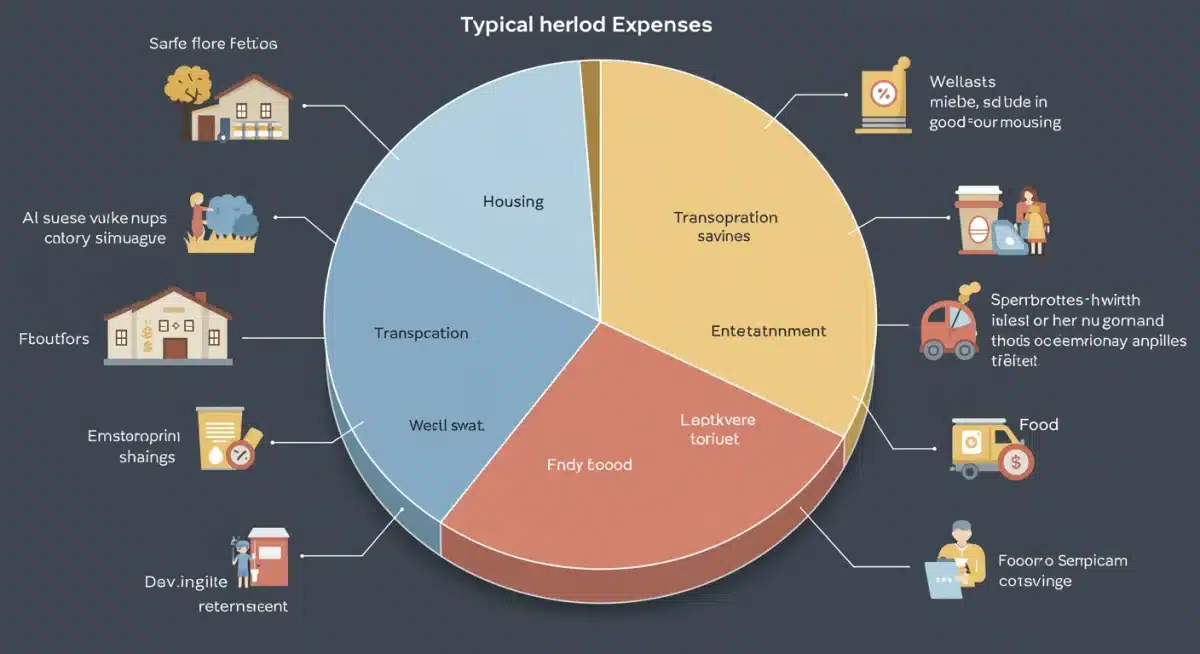
Creating a Detailed Budget
A budget isn’t a restrictive tool; it’s a financial roadmap. For this challenge, a detailed budget is non-negotiable.
Use spreadsheets, budgeting apps, or even pen and paper to categorize all your monthly income and expenses. Be honest with yourself about your spending habits.
Income: List all sources of income for the month.
Fixed Expenses: Rent/mortgage, loan payments, insurance premiums.
Variable Expenses: Groceries, dining out, entertainment, utilities (which can fluctuate).
Discretionary Spending: Shopping, subscriptions, hobbies.
Once you have a clear picture, you can start identifying non-essential expenses that can be temporarily reduced or eliminated. This is where the real savings opportunities begin to emerge, paving the way for your emergency fund.
Cutting Unnecessary Expenses
With your budget in hand, it’s time to become a financial detective. Look for those hidden leaks in your spending. This doesn’t mean living a life of deprivation, but rather making conscious choices about what you truly value versus what you can temporarily forgo for your financial future.
Consider these common areas for cuts:
Subscriptions: Review all streaming services, gym memberships, and app subscriptions. Can any be paused or canceled for three months?
Dining Out/Takeaway: This is often a significant money drain. Challenge yourself to cook more meals at home.
Impulse Buys: Implement a ’24-hour rule’ before making non-essential purchases.
Entertainment: Look for free or low-cost activities instead of expensive outings.
Every dollar saved from these areas is a dollar closer to your $2,000 goal. The goal for Month 1 is to free up as much cash as possible by making smart, intentional spending choices.
Month 2: Accelerating Your Savings with Smart Strategies
Having established your budget and identified initial expense cuts in Month 1, Month 2 of The $2,000 Emergency Fund Challenge focuses on actively accelerating your savings.
This phase moves beyond simple cuts to more strategic approaches that can significantly boost your contributions. It’s about being proactive and finding additional ways to increase your cash flow directly into your emergency fund.
This month requires a bit more creativity and effort, but the rewards are substantial. Think about how you can generate extra income or optimize your existing financial habits to maximize your savings rate. The goal is to see your emergency fund grow rapidly, building both your balance and your confidence in the process.
Finding Extra Income Streams
One of the most effective ways to accelerate savings is by increasing your income. Even a small, temporary side hustle can make a big difference over three months. Consider activities that you can do in your spare time or skills you already possess.
Freelancing: Offer services like writing, graphic design, or virtual assistance.
Gig Economy: Drive for a ride-share service, deliver food, or complete tasks on platforms like TaskRabbit.
Selling Unused Items: Declutter your home and sell clothes, electronics, or furniture on sites like eBay, Facebook Marketplace, or local consignment shops.
Temporary Work: Look for short-term projects or seasonal work that aligns with your schedule.
Every dollar earned from these extra efforts should go directly into your emergency fund, treating it as ‘found money’ dedicated to your financial safety net.
Automating Your Savings
Automation is a powerful tool for consistent saving. By setting up automatic transfers, you remove the temptation to spend the money and ensure your emergency fund grows without constant manual effort. Treat your emergency fund contribution like any other bill.
Set Up Direct Deposit: If possible, have a portion of your paycheck automatically deposited into a separate savings account.
Scheduled Transfers: Set up a recurring weekly or bi-weekly transfer from your checking to your emergency fund savings account.
Use a High-Yield Savings Account: While the interest won’t be substantial over three months, every little bit helps, and these accounts often encourage keeping money separate and untouched.
The key here is consistency. Even if you start with a small automated transfer, increasing it as you find more savings or income will dramatically impact your progress. Month 2 is about making your money work harder for your emergency fund.
Month 3: Fine-Tuning and Solidifying Your Emergency Fund
As you enter the final month of The $2,000 Emergency Fund Challenge, the focus shifts to fine-tuning your habits and solidifying your savings.
By now, you should have a significant portion of your $2,000 goal achieved, and this month is about pushing across the finish line and establishing practices that will ensure your financial safety net remains robust long-term.
This isn’t just about reaching $2,000; it’s about making emergency saving a permanent part of your financial discipline.
This final push involves reviewing your progress, making any necessary adjustments to your budget or income strategies, and most importantly, celebrating your success while planning for the future. The habits you’ve built over the past two months are crucial, and Month 3 reinforces them to ensure lasting financial security.
Reviewing Progress and Adjusting Strategies
Take time to assess how much you’ve saved. If you’re slightly behind schedule, identify where you can make a final push. Perhaps you can pick up an extra shift, sell a few more items, or implement stricter spending limits for the last few weeks. If you’re ahead, fantastic! You’re building excellent momentum.
Use this review to reflect on what worked well and what didn’t. This insight will be invaluable as you continue to save beyond the initial $2,000. It’s an opportunity to optimize your approach for future financial goals.
Maintaining Momentum Beyond $2,000
Reaching $2,000 is a significant milestone, but it’s often just the beginning. Most financial advisors recommend having three to six months’ worth of living expenses saved. Use the momentum from this challenge to continue building your fund. Consider these next steps:
Increase Your Target: Set a new, higher goal for your emergency fund.
Re-evaluate Your Budget: Can some of your temporary cuts become permanent habits?
Explore Investment Options: Once your emergency fund is fully funded, consider investing excess savings for long-term growth.
The goal is to transition from simply building an emergency fund to maintaining and growing it as a core component of your overall financial health. Month 3 solidifies these habits, transforming temporary discipline into lasting financial wisdom.
Overcoming Common Obstacles in Your Savings Journey

Building an emergency fund, especially within a tight three-month timeframe, isn’t always easy. You’ll likely encounter various obstacles that can test your resolve. Recognizing these common challenges and having strategies to overcome them is crucial for successfully completing The $2,000 Emergency Fund Challenge. It’s not about avoiding difficulties, but about being prepared to navigate them effectively.
From unexpected expenses that crop up during the challenge to a simple lack of motivation, these hurdles are a normal part of the savings journey.
The key is to stay focused on your ultimate goal and utilize the tools and mindset shifts you’ve developed. Resilience and adaptability are your greatest allies.
Dealing with Unexpected Expenses During the Challenge
It’s ironic, but sometimes emergencies happen while you’re trying to save for emergencies. If an unexpected cost arises during the three months, try to handle it without dipping into your nascent emergency fund. Explore alternatives:
Small Loans from Friends/Family: If appropriate and repayable quickly.
Temporary Credit Card Use: Only if you can pay it off within the current billing cycle to avoid interest.
Sacrifice Other Savings: If you have money earmarked for a different, less critical goal, consider temporarily reallocating it.
If you absolutely must use a portion of your emergency fund, don’t despair. Immediately create a plan to replenish it, treating it as a top priority. The progress you’ve made isn’t lost; it’s simply a temporary setback.
Staying Motivated and Focused
Maintaining motivation over three months can be challenging, especially when you’re making sacrifices. Here are strategies to keep you on track:
Track Your Progress Visually: Use a thermometer chart, a spreadsheet, or an app to see your fund grow. Visual progress is highly motivating.
Reward Small Milestones: When you hit $500 or $1,000, treat yourself to a small, non-financial reward (e.g., a relaxing evening, a favorite movie).
Find an Accountability Partner: Share your goal with a trusted friend or family member who can offer encouragement.
Remind Yourself of Your ‘Why’: Keep your main motivation for building the fund top of mind. Is it peace of mind? A specific future goal?
Remember, every dollar saved is a step towards greater financial security. Don’t let perfection be the enemy of good. Small, consistent efforts add up to significant results over time, helping you overcome any mental or practical obstacles.
Integrating Your Emergency Fund into Long-Term Financial Planning
Completing The $2,000 Emergency Fund Challenge is a monumental achievement, but it’s crucial to view this accomplishment not as an end, but as a robust beginning.
An emergency fund isn’t a standalone financial product; it’s a foundational component of a comprehensive long-term financial plan. Integrating it effectively ensures that your hard-earned safety net continues to serve its purpose while you pursue other financial goals.
This integration involves understanding how your emergency fund interacts with other financial instruments, planning for its maintenance, and using the discipline you’ve cultivated to tackle bigger financial aspirations. It’s about building a resilient financial ecosystem where each part supports the others.
The Role of Your Emergency Fund in Overall Financial Health
Your emergency fund provides stability, acting as the bedrock upon which you can build wealth. Without it, any investment or savings plan is vulnerable to being derailed by unexpected life events.
It protects your retirement savings, your investment portfolio, and your credit score from being impacted by unforeseen circumstances.
Consider these aspects:
Debt Prevention: Prevents you from taking on high-interest debt during crises.
Investment Protection: Avoids needing to sell investments at a loss to cover emergencies.
Credit Score Safeguard: Helps maintain a good credit score by preventing missed payments.
Peace of Mind: Reduces financial stress, allowing for better decision-making.
A fully funded emergency reserve allows you to take calculated risks with investments and pursue opportunities without the constant worry of financial instability.
Moving Beyond $2,000: Next Steps for Financial Security
Once you’ve reached your initial $2,000 goal, the next step is typically to expand your emergency fund to cover three to six months of essential living expenses. This larger fund provides even greater security. After that, you can shift your focus to other critical financial areas, utilizing the same disciplined approach you learned during the challenge.
Debt Repayment: Prioritize paying off high-interest debts like credit card balances.
Retirement Savings: Maximize contributions to 401(k)s, IRAs, or other retirement accounts.
Investment Goals: Start saving for specific goals like a down payment on a home, education, or other significant purchases.
Insurance Review: Ensure you have adequate health, auto, and home insurance to further protect your assets.
The habits of budgeting, saving, and income generation you developed are transferable skills that will serve you throughout your entire financial journey. Your emergency fund is the first vital piece of a much larger, more secure financial puzzle.
Maintaining and Replenishing Your Emergency Fund
Successfully completing The $2,000 Emergency Fund Challenge is a fantastic achievement, but the work doesn’t stop there. An emergency fund isn’t a one-and-done project; it’s a dynamic financial tool that requires ongoing maintenance and, occasionally, replenishment.
Life is unpredictable, and even with a robust fund, there will be times when you need to tap into it. The true measure of financial preparedness lies in your ability to restore your safety net after it’s been used.
This section will guide you through the essential practices for keeping your emergency fund healthy and ready for future challenges. It’s about establishing long-term habits that ensure your financial security remains intact, providing continuous peace of mind.
Establishing a ‘Replenishment Plan’
If you ever have to use your emergency fund, your immediate priority should be to replenish it. Treat this replenishment with the same urgency and discipline you applied during the initial challenge. Having a pre-determined plan can make this process smoother and less stressful.
Immediate Recalculation: As soon as you use funds, recalculate how much you need to save to bring it back to your target level.
Temporary Budget Adjustments: Temporarily tighten your budget again, similar to how you did during Month 1 of the challenge, to free up cash.
Pause Other Savings: Consider temporarily pausing contributions to less critical savings goals (like vacation funds) until your emergency fund is whole again.
Dedicated Income: If possible, direct any bonuses, tax refunds, or extra income directly to replenishment.
The speed at which you replenish your fund directly correlates with the duration of your financial vulnerability. Make it a top financial priority until it’s back to your desired level.
Regular Review and Adjustment
Your emergency fund needs may change over time. Life events such as marriage, having children, buying a home, or changing jobs can all impact how much you need in your safety net. It’s crucial to review your emergency fund needs periodically, at least once a year, or whenever a major life event occurs.
Annual Check-up: Review your monthly expenses to ensure your fund still covers the recommended 3-6 months.
Life Event Triggers: Immediately reassess your fund size requirements after significant life changes.
Inflation Consideration: While minor, consider how inflation might slightly increase your living expenses over time.
By regularly reviewing and adjusting your emergency fund, you ensure it remains relevant and adequate for your current life circumstances. This proactive approach is key to long-term financial resilience and maintaining the peace of mind that comes with a well-funded safety net.
| Key Step | Brief Description |
|---|---|
| Month 1: Foundation | Budgeting and identifying initial expense cuts. |
| Month 2: Acceleration | Finding extra income and automating savings. |
| Month 3: Solidification | Fine-tuning, reaching goal, and planning for maintenance. |
| Beyond the Challenge | Maintaining, replenishing, and integrating into long-term financial plans. |
Frequently Asked Questions About Emergency Funds
An emergency fund provides a financial safety net for unexpected expenses like medical emergencies or job loss, preventing reliance on high-interest debt and safeguarding your overall financial stability and peace of mind.
$2,000 is an excellent starting point for an emergency fund. While financial experts often recommend 3-6 months of living expenses, $2,000 can cover many common, smaller emergencies, building confidence and momentum for further savings.
To save $2,000 in three months, create a detailed budget, cut unnecessary expenses, find extra income streams, and automate your savings. Consistency and dedication to these strategies are key to reaching your goal efficiently.
If you need to use your emergency fund, prioritize replenishing it immediately. Temporarily adjust your budget, direct any extra income towards it, and pause less critical savings until your emergency fund is fully restored to its target amount.
Your emergency fund should be kept in an easily accessible, yet separate, account. A high-yield savings account is ideal as it offers liquidity, a small amount of interest, and keeps the funds distinct from your daily spending money.
Conclusion
Completing The $2,000 Emergency Fund Challenge: Build Your Safety Net in 3 Months is a transformative step towards true financial freedom and security.
You’ve not only built a vital financial buffer but also cultivated invaluable habits in budgeting, saving, and income generation. This journey proves that disciplined, focused effort can yield significant results in a relatively short period.
Remember, this $2,000 is just the beginning; continue to nurture your emergency fund, expand it to cover more months of expenses, and integrate it into your broader financial strategy. The peace of mind and resilience you’ve gained are priceless assets that will serve you well for years to come, empowering you to face life’s uncertainties with confidence and control.