US Suburbs Evolution: Data & Homeowner Impact
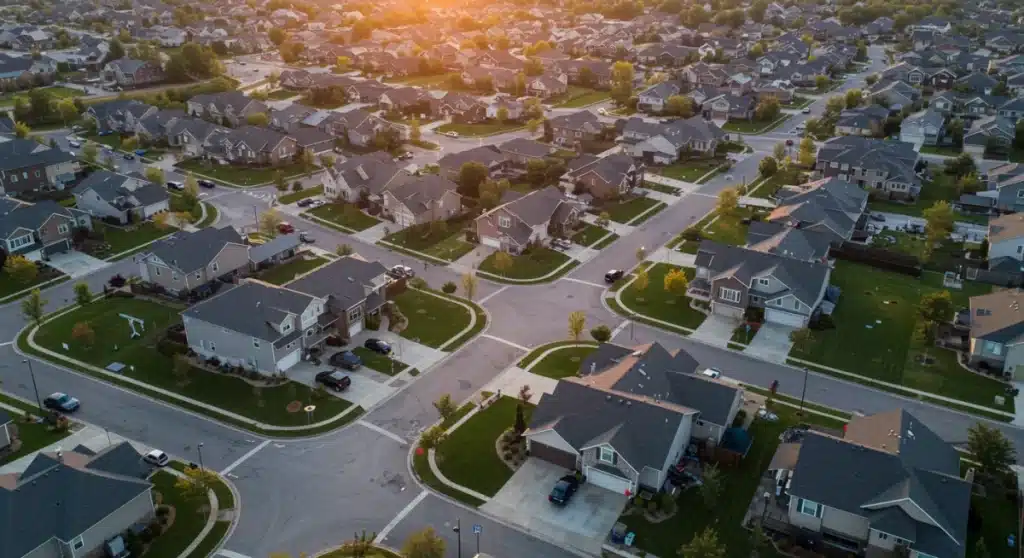
The US suburbs evolution is marked by significant demographic shifts, evolving housing demands, and economic recalibrations, directly influencing the decisions and investments of homeowners nationwide.
The landscape of American living is in constant flux, and nowhere is this more evident than in the suburbs.
The ongoing evolution of US suburbs is reshaping communities, influencing property values, and redefining what it means to be a homeowner in the 21st century. Understanding these profound shifts is crucial for anyone invested in the suburban dream.
Understanding the suburban shift: demographics and growth
The American suburb, once a monolithic symbol of homogenous family life, is undergoing a dramatic transformation.
Recent data reveals a complex tapestry of demographic shifts, challenging long-held stereotypes and creating new opportunities and challenges for homeowners. This evolution is driven by a confluence of factors, from changing family structures to economic pressures and lifestyle preferences.
The rise of diverse populations
Suburbs are no longer predominantly white, middle-class enclaves. They are increasingly diverse, attracting a broader spectrum of ethnic groups, income levels, and age demographics.
This influx brings a richness of culture and perspective, but also puts pressure on existing infrastructure and social services.
Multicultural households: Many suburban areas now boast a significant percentage of residents identifying with various racial and ethnic backgrounds, reflecting broader national trends.
Generational mix: Young families seeking affordability and retirees looking for a quieter pace are both contributing to suburban growth, creating multi-generational communities.
Income diversity: The economic profile of suburbs is also broadening, with both affluent professionals and working-class families choosing suburban life, often in different pockets of the same metropolitan area.
This demographic diversification is not just a statistical curiosity; it has tangible impacts on local economies, educational systems, and the types of amenities and services in demand.
Homeowners in these evolving areas may find their neighborhoods becoming more vibrant, but also subject to changes in local governance and community priorities.
Growth patterns and urban spillover
While some older, inner-ring suburbs may experience stagnation, many outer-ring and exurban areas continue to see robust growth.
This often comes as a spillover effect from increasingly expensive and dense urban centers, pushing residents further out in search of space and affordability. The appeal of larger homes, better school districts, and a perceived higher quality of life remains strong for many.
However, this growth is not without its drawbacks. Increased traffic congestion, strain on natural resources, and the loss of open spaces are common concerns.
Homeowners in rapidly expanding suburbs often grapple with rising property taxes, even as their home values appreciate. It’s a delicate balance between desirable growth and maintaining the very characteristics that attracted residents in the first place.
In summary, the demographic and growth patterns in US suburbs illustrate a dynamic and multifaceted shift.
The increasing diversity and continued outward expansion from urban cores are redefining suburban identity, presenting both exciting opportunities and complex challenges for existing and prospective homeowners.
Housing market dynamics: affordability and inventory
The suburban housing market is a critical barometer of its evolution, directly affecting homeowners’ financial well-being and lifestyle choices.
Recent data points to a complex interplay of affordability challenges, fluctuating inventory levels, and evolving buyer preferences, making the suburban real estate landscape more competitive and nuanced than ever before.
The ongoing affordability crisis
Despite the perception of suburbs as more affordable than cities, many areas are experiencing significant price appreciation, making homeownership increasingly difficult for first-time buyers and even challenging for existing homeowners looking to upgrade. Factors contributing to this include limited new construction, high demand, and rising interest rates.
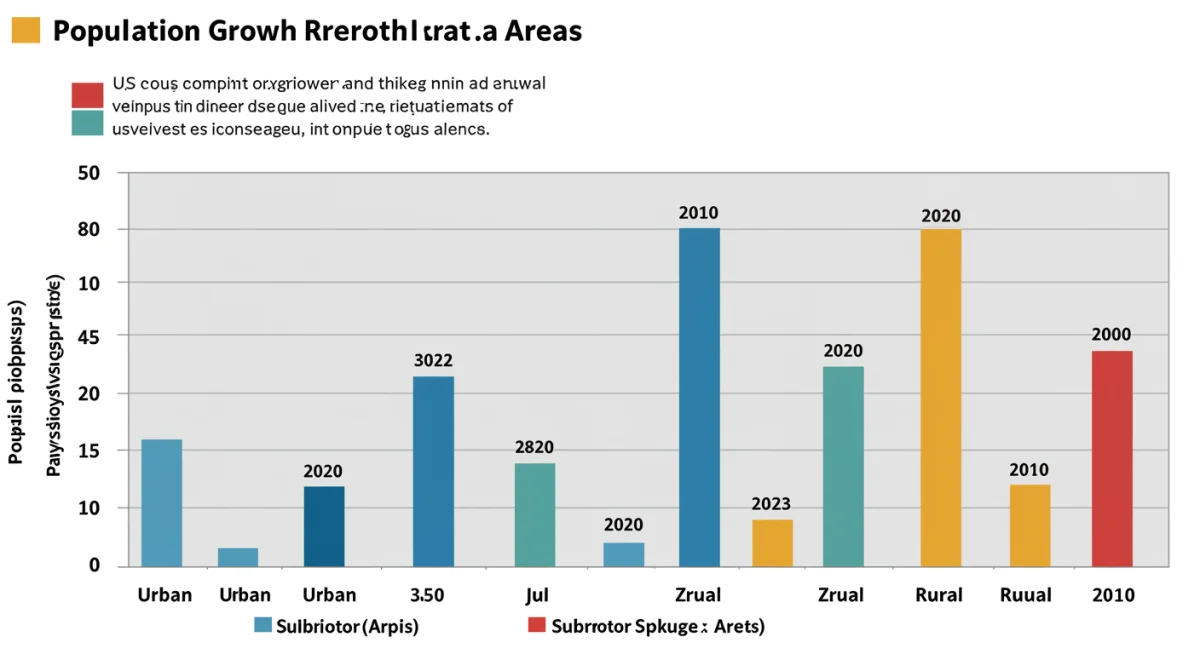
This affordability squeeze forces potential buyers to compromise on location, size, or amenities, often pushing them further from urban centers or into less desirable areas.
For current homeowners, appreciating home values can be a boon, but it also means higher property taxes and the potential for a less affordable move if they wish to relocate within the same market.
Inventory challenges and market competition
A persistent challenge in many suburban markets is the low inventory of homes for sale. This scarcity, coupled with high buyer demand, creates a fiercely competitive environment. Bidding wars, waived contingencies, and rapid sales are common, placing immense pressure on buyers and sellers alike.
Limited new construction: Supply chain issues, labor shortages, and rising material costs have hampered the pace of new home builds, exacerbating the inventory crunch.
Homeowner reluctance to sell: Many existing homeowners with low mortgage rates are hesitant to sell, fearing they won’t find an equivalently affordable home in the current market.
Investor activity: In some markets, institutional investors are purchasing a significant portion of available homes, further reducing options for owner-occupants.
This competitive landscape means homeowners looking to sell often find themselves in a strong position, but those looking to buy face an uphill battle.
It underscores the importance of being well-prepared, pre-approved, and having a clear understanding of market conditions before entering the fray.
In summary, the suburban housing market is characterized by significant affordability hurdles and tight inventory.
These dynamics necessitate strategic planning for both buyers and sellers, as market competition continues to shape the accessibility and value of suburban homes.
Lifestyle shifts: remote work and community design
The COVID-19 pandemic acted as a powerful accelerant for several existing trends, fundamentally altering how Americans live and work.
Among the most significant changes impacting the evolution of US suburbs are the widespread adoption of remote work and a renewed focus on community design, both of which have profound implications for homeowners.
The remote work revolution
For many, the office commute has become a relic of the past, at least for part of the week. Remote and hybrid work models have untethered millions from the necessity of living close to their jobs, allowing them to prioritize factors like space, affordability, and quality of life.
This has fueled a migration to suburbs, often further out, where larger homes with dedicated office spaces are more attainable.
Homeowners are now adapting their properties to accommodate this new reality, investing in home offices, faster internet, and more flexible living spaces.
The value proposition of a suburban home now often includes its capacity for productive work as much as its proximity to schools or amenities.
This shift has also led to increased demand for homes in suburbs that offer reliable infrastructure and a strong sense of community, appealing to those who no longer rely on daily urban commutes for social interaction.
Redefining community design and amenities
With more time spent at home and in their local neighborhoods, suburban residents are increasingly valuing walkable communities, access to green spaces, and vibrant town centers.
The desire for a “15-minute city” experience, where most daily needs can be met without a car, is influencing suburban planning and development.
Walkability and mixed-use developments: New suburban developments often incorporate retail, dining, and residential spaces to create more dynamic, pedestrian-friendly environments.
Green infrastructure: Parks, trails, and preserved natural areas are becoming key selling points, offering recreational opportunities and enhancing quality of life.
Community gathering spots: From farmers’ markets to outdoor performance venues, suburbs are investing in public spaces that foster social connection and community engagement.
For homeowners, this means that properties in well-designed, amenity-rich suburbs may see greater appreciation and desirability.
The focus is shifting from simply a house on a lot to a home within a thriving, well-connected community. This evolution highlights a desire for a more integrated and fulfilling suburban experience, moving beyond mere residential functionality.
In conclusion, remote work has fundamentally reshaped where and how people live, driving demand for suburban homes with adaptable spaces.
Concurrently, a renewed emphasis on robust community design and local amenities is transforming suburban landscapes, making walkability and green spaces key determinants of desirability for homeowners.
Infrastructure and sustainability challenges

As US suburbs continue their rapid evolution, they face significant pressures related to infrastructure and environmental sustainability.
The traditional suburban model, often car-dependent and resource-intensive, is being re-evaluated in light of climate change concerns, aging infrastructure, and the demands of growing populations.
For homeowners, these challenges can translate into higher costs, decreased property values, or improved quality of life, depending on how local communities respond.
Aging infrastructure and deferred maintenance
Many established suburbs were built decades ago, and their roads, water systems, sewer lines, and public buildings are nearing the end of their design life.
Underinvestment in maintenance has led to a backlog of repairs, which can be costly to address. Homeowners often bear some of this burden through increased taxes or utility fees.
The need for upgrades extends beyond basic utilities to include public transportation networks, schools, and recreational facilities.
Communities that proactively invest in modernizing their infrastructure are more likely to attract new residents and maintain property values. Conversely, those that neglect these essential systems risk decline and disinvestment.
Sustainable development and environmental concerns
The sprawling nature of many suburbs has historically led to habitat loss, increased impervious surfaces, and a higher carbon footprint due to longer commutes.
There’s a growing push for more sustainable suburban development practices to mitigate these environmental impacts.
Green building codes: Many municipalities are adopting stricter building codes that promote energy efficiency, water conservation, and the use of sustainable materials in new construction and renovations.
Public transit and alternative transportation: Investments in light rail, bus rapid transit, and bike lanes aim to reduce reliance on personal vehicles, lessening traffic congestion and emissions.
Open space preservation: Efforts to protect natural areas, create green corridors, and enhance urban forests contribute to biodiversity and improve air quality.
For homeowners, sustainability initiatives can offer long-term benefits, such as lower utility bills for energy-efficient homes or enhanced property values due to proximity to green spaces.
However, they can also involve higher upfront costs for eco-friendly upgrades or stricter regulations on property development. The balance lies in fostering growth that is both economically viable and environmentally responsible.
In summary, the evolution of US suburbs is intrinsically linked to overcoming significant infrastructure and sustainability hurdles.
Addressing aging systems and embracing eco-friendly development are crucial for ensuring the long-term viability and attractiveness of suburban living for homeowners.
The impact on homeowners: property values and lifestyle choices
The dynamic evolution of US suburbs has a direct and multifaceted impact on homeowners, influencing everything from their property’s financial value to their daily lifestyle choices.
Understanding these implications is crucial for making informed decisions about buying, selling, or investing in suburban real estate.
Property values in a changing landscape
The value of a suburban home is no longer solely determined by its size or location relative to an urban core. Factors such as community amenities, school district quality, access to green spaces, and even the availability of high-speed internet now play a significant role.
Homeowners in suburbs that are successfully adapting to new demographic and lifestyle trends often see greater appreciation in their property values.
Conversely, those in areas struggling with aging infrastructure, lack of amenities, or declining school performance may experience stagnation or even decreases in value.
This highlights the importance of researching local trends and understanding the long-term vision for a particular suburban community before making a significant investment.
Proximity to vibrant town centers, multimodal transportation options, and a diverse economic base are becoming increasingly strong indicators of future property value growth.
Evolving lifestyle choices and homeowner priorities
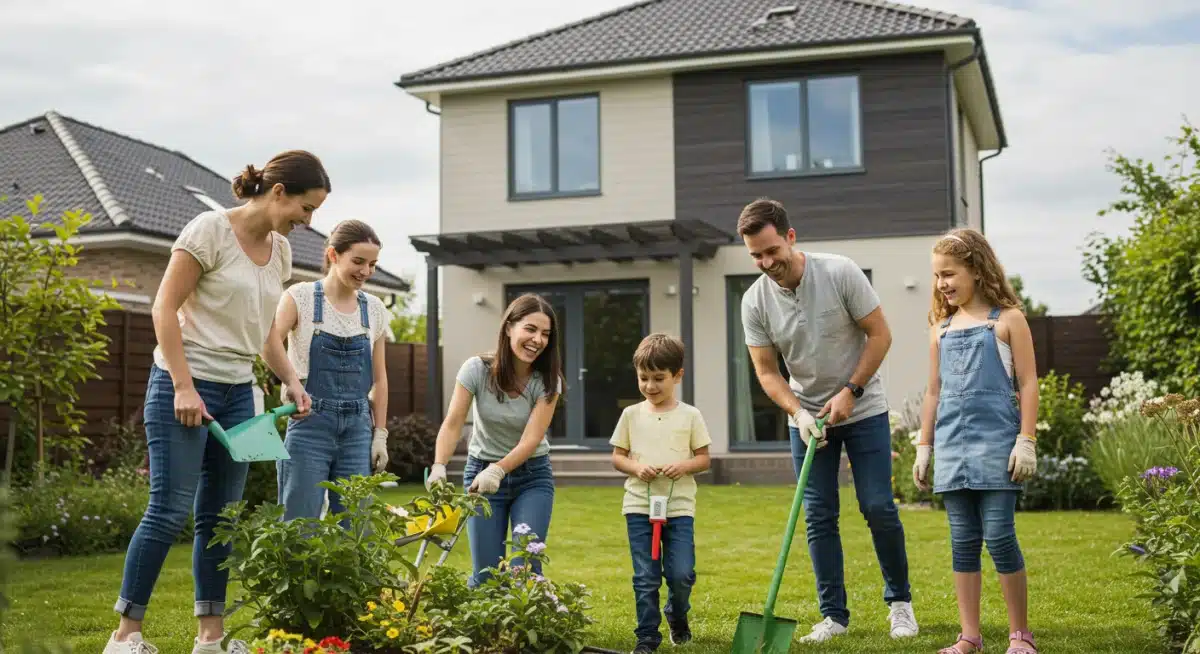
Today’s suburban homeowners are prioritizing different aspects of living than previous generations. While space and a yard remain important, there’s a growing emphasis on walkability, access to diverse dining and retail options, and a strong sense of community.
The rise of remote work has also shifted priorities, with dedicated home office space now a highly sought-after feature.
Work-life balance: Many homeowners are seeking suburbs that offer a better blend of professional opportunities and personal well-being, often valuing shorter commutes (even if to a co-working space) and access to recreational activities.
Community engagement: A desire for connection is driving interest in suburbs with active neighborhood associations, local events, and public spaces that foster interaction.
Sustainability and wellness: Homeowners are increasingly looking for homes and communities that support a healthy, environmentally conscious lifestyle, from energy-efficient appliances to nearby parks and trails.
These evolving priorities mean that homeowners are not just buying a house; they are investing in a lifestyle. The amenities and character of the surrounding community are as critical as the features of the home itself.
This necessitates a more holistic view of homeownership, where the broader suburban environment plays a significant role in satisfaction and long-term value.
In conclusion, the suburban evolution profoundly impacts homeowners, shaping both their property values and lifestyle choices.
Success for homeowners increasingly hinges on their ability to adapt to new priorities, such as community amenities and remote work capabilities, which now heavily influence long-term desirability and investment returns.
Future outlook: smart suburbs and resilient communities
Looking ahead, the evolution of US suburbs is poised to continue its transformative trajectory, driven by technological advancements, environmental imperatives, and changing societal expectations.
The concept of the “smart suburb” and the development of resilient communities are emerging as key themes that will shape suburban living for homeowners in the coming decades.
The rise of smart suburbs
Smart suburbs leverage technology to enhance efficiency, sustainability, and quality of life. This includes everything from intelligent traffic management systems and interconnected public services to smart home integration and advanced utility grids. The goal is to create more responsive, data-driven communities that better serve their residents.
For homeowners, living in a smart suburb can mean improved public safety, more efficient waste management, easier access to digital services, and potentially lower utility costs through optimized energy use.
These technological integrations can also contribute to higher property values, as they signify a forward-thinking community that is investing in its future.
Building resilient communities
Resilience in the context of suburban evolution refers to a community’s ability to withstand and recover from various shocks, whether economic downturns, natural disasters, or public health crises.
This involves diversifying local economies, strengthening social networks, and implementing robust emergency preparedness plans.
Economic diversification: Suburbs are working to attract a broader range of businesses, reducing reliance on a single industry and creating more stable job markets.
Climate adaptation: Investments in green infrastructure, flood mitigation projects, and renewable energy sources are crucial for protecting suburban homes and residents from the impacts of climate change.
Social capital: Fostering strong community bonds, volunteer networks, and local support systems helps residents weather challenges and rebuild stronger.
Homeowners in resilient suburbs can benefit from greater stability and security. Their homes are more likely to retain value during economic fluctuations, and their communities are better equipped to protect their investments and well-being in the face of unforeseen events.
This focus on long-term sustainability and adaptability is becoming a defining characteristic of desirable suburban living.
In summary, the future of US suburbs points towards the integration of smart technologies and the development of resilient communities.
These advancements promise enhanced efficiency, sustainability, and stability, offering significant long-term benefits and increased security for homeowners.
| Key Trend | Impact on Homeowners |
|---|---|
| Demographic Diversification | Vibrant communities, potential changes in local services and amenities. |
| Remote Work Shift | Increased demand for larger homes, home office importance, reduced commute focus. |
| Affordability Challenges | Rising home prices and property taxes, competitive buying environment. |
| Focus on Sustainability | Eco-friendly upgrades, lower utility costs, enhanced community resilience. |
Frequently asked questions about suburban evolution
Remote work is increasing demand for larger homes with dedicated office spaces in suburbs. This can lead to higher property values in desirable suburban areas, especially those with good internet and amenities, as more people prioritize space over proximity to city centers.
Yes, US suburbs are significantly increasing in diversity, attracting a broader array of racial, ethnic, and socio-economic groups. This demographic shift enriches communities but also places new demands on local services and infrastructure, requiring adaptive planning.
Key challenges include rising home prices, limited inventory, and increasing interest rates, making affordability a significant hurdle for many buyers. This creates a competitive market where properties often sell quickly and above asking price.
As suburban property values appreciate due to demand and development, property taxes often increase. This can impact homeowners’ budgets, especially for those on fixed incomes, even as their home equity grows significantly.
A resilient suburban community can withstand and recover from various shocks, such as economic downturns or natural disasters. This involves economic diversification, robust infrastructure, climate adaptation strategies, and strong social networks.
Conclusion
The evolution of US suburbs is a complex, ongoing narrative that reflects broader societal changes.
From shifting demographics and the pervasive influence of remote work to the persistent challenges of housing affordability and the imperative for sustainable development, suburbs are continually redefining their identity.
For homeowners, understanding these dynamics is not just academic; it’s essential for making informed decisions that impact their financial well-being and quality of life.
The future of suburban living will undoubtedly be shaped by communities that embrace diversity, innovate with technology, and prioritize resilience, offering a dynamic and evolving landscape for generations to come.