US Travel Trends: TSA Updates & Your 2026 Vacation Plans
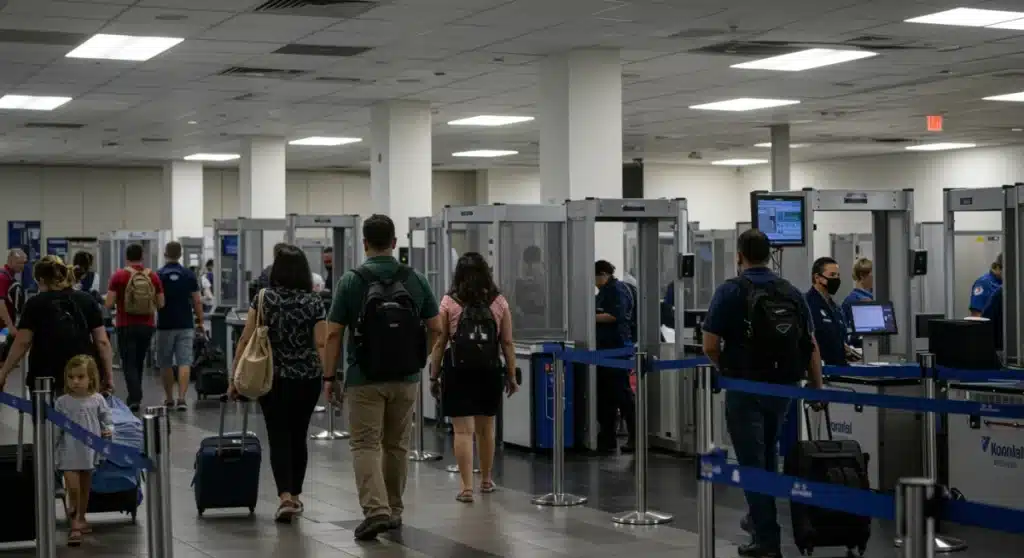
New TSA updates will significantly influence 2026 US travel, introducing advanced security measures and streamlined processes to enhance vacation planning and airport experiences nationwide.
Planning your next getaway in the United States? Understanding the evolving landscape of air travel security is paramount.
The latest TSA updates 2026 travel will introduce significant changes, impacting everything from how you pack your bags to how swiftly you move through airport checkpoints.
These advancements are designed to enhance safety while striving for a more efficient and less stressful travel experience for everyone.
The evolving landscape of airport security
Airport security is a constantly evolving field, driven by technological advancements and the need to adapt to new threats.
The Transportation Security Administration (TSA) continuously evaluates and implements new protocols to ensure the safety of air travelers. For 2026, several key initiatives are set to transform the way we experience airport security, making it both more robust and, ideally, more convenient.
These upcoming changes are not just about adding layers of security; they are also focused on integrating smart technologies that can process passengers and their belongings more efficiently.
The goal is to minimize wait times and reduce the need for manual inspection, which can often be a source of frustration for travelers. By understanding these shifts, you can better prepare for your 2026 vacation plans.
Advanced screening technologies take center stage
One of the most anticipated developments is the widespread deployment of advanced imaging technology and computed tomography (CT) scanners for carry-on luggage. These systems provide a more detailed view of bag contents, often eliminating the need to remove liquids and electronics.
CT Scanners: Offer 3D views of bag contents, reducing the need for divestment.
Credential Authentication Technology (CAT): Verifies ID and flight information without a boarding pass.
Enhanced Body Scanners: Utilize sophisticated algorithms for faster, more accurate threat detection.
The integration of these technologies aims to create a seamless flow through checkpoints. Travelers will spend less time fumbling with their belongings and more time moving towards their gates.
This shift represents a significant investment in both security and traveler comfort, reflecting a proactive approach to modern air travel challenges.
Ultimately, the evolving landscape of airport security is about balancing vigilance with efficiency. The TSA’s commitment to adopting cutting-edge technologies ensures that while threats are continuously addressed, the traveler’s journey remains as smooth and predictable as possible. Staying informed about these changes will be key to navigating airports effortlessly in 2026.
New TSA protocols and what they mean for you
As technology advances, so do the protocols governing airport security. The TSA is not only upgrading its equipment but also refining its operational procedures to maximize the effectiveness of these new tools.
These protocol changes are designed to complement the new technologies, creating a more cohesive and efficient security system. Understanding these new rules is crucial for any traveler planning a trip in 2026.
These updates will likely affect how you pack, what you bring to the checkpoint, and even how you interact with TSA officers. The aim is to standardize processes across airports, reducing confusion and ensuring a consistent security experience for all passengers.
Being prepared for these changes can significantly reduce stress and save time during your travels.
Packing smart with new guidelines
With the wider adoption of CT scanners, the requirement to remove liquids and electronics from carry-on bags may become a thing of the past at more airports.
However, it’s important to remember that this transition will be gradual, and not all airports will have these capabilities simultaneously. Always check the latest guidelines for your specific departure airport before you pack.
Liquids: The 3-1-1 rule might be relaxed at airports with advanced CT scanners, but verify beforehand.
Electronics: Laptops and other large electronics may remain in your bag with CT scanning.
Prohibited Items: The list of prohibited items will continue to be strictly enforced.
Beyond carry-ons, checked baggage screening will also see enhancements, though these are typically less visible to the passenger.
The focus remains on detecting explosives and other dangerous items with greater accuracy. Knowing these guidelines allows you to pack strategically, avoiding unnecessary delays at the checkpoint.
These new TSA protocols are a direct response to the capabilities of new screening technologies. By aligning traveler behavior with these advancements, the TSA aims to create a smoother, more predictable security experience.
Staying up-to-date on the specific rules for your journey will ensure a hassle-free start to your 2026 vacation plans.
The impact on your 2026 vacation plans
The upcoming TSA updates are poised to significantly influence how you plan and execute your 2026 vacation plans. While the primary goal is enhanced security, the changes also promise a more streamlined and potentially less stressful airport experience.
This means that travelers can look forward to a more predictable journey, allowing them to focus more on the destination and less on airport anxieties.
From reduced wait times to more consistent screening procedures, these adjustments will reshape the rhythm of air travel. Understanding these impacts beforehand empowers you to make informed decisions about your travel arrangements, ensuring your vacation starts off on the right foot.
The emphasis is on efficiency without compromising the rigorous security standards that protect all passengers.
Faster checkpoints and reduced stress
One of the most immediate benefits travelers can expect is faster processing at security checkpoints. With advanced scanners and credential authentication technology, the time spent in line and at the screening area should decrease.
This can be particularly beneficial during peak travel seasons, making the overall experience more pleasant.
Time Savings: Less time spent removing items from bags.
Predictability: More consistent screening procedures across airports.
Improved Flow: Reduced bottlenecks at security lines.
The cumulative effect of these improvements is a reduction in travel-related stress. Knowing that you can navigate security with greater ease can influence your decision-making, from choosing flight times to planning airport arrival.
This newfound efficiency allows for more relaxed transitions between different stages of your journey.
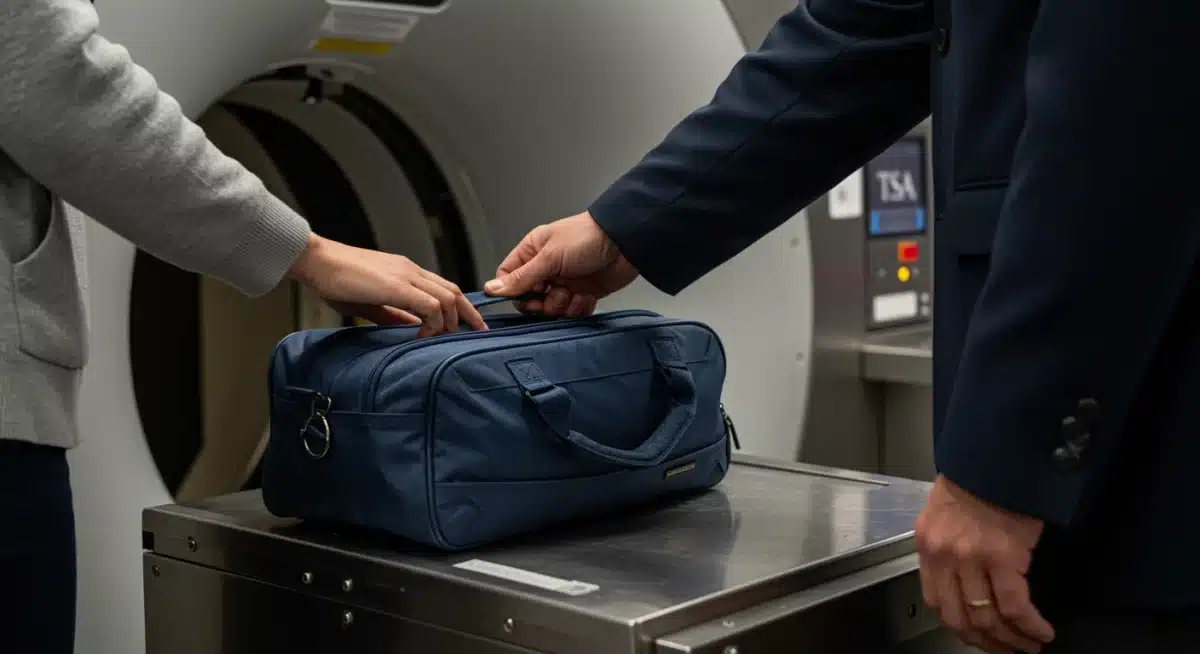
The impact on your 2026 vacation plans extends beyond just the airport; it influences the entire travel experience. By minimizing the friction points of security, these TSA updates contribute to a more enjoyable and seamless journey, allowing you to arrive at your destination refreshed and ready to explore.
Leveraging technology for a smoother travel experience
Technology is at the heart of the TSA’s modernization efforts, and travelers have several opportunities to leverage these advancements for an even smoother experience.
From digital identity solutions to mobile applications, integrating these tools into your travel routine can significantly enhance convenience and efficiency. The focus is on creating a more personalized and expedited journey.
These technological integrations are not just about security; they are also about empowering travelers with more control over their airport experience.
By embracing digital solutions, passengers can navigate checkpoints with greater ease, reducing the need for physical documents and manual verifications. This shift towards digital interaction marks a significant step forward in modern air travel.
Digital identity and mobile apps
The emergence of digital identity solutions, such as mobile driver’s licenses and digital IDs, is set to streamline the identity verification process at TSA checkpoints.
These secure digital credentials can be presented on your smartphone, eliminating the need to show a physical ID. This not only speeds up the process but also adds an extra layer of security.
Mobile ID: Securely present your ID on your smartphone.
TSA PreCheck App: Manage your membership and stay updated on program benefits.
Airline Apps: Utilize digital boarding passes and real-time flight information.
Many airlines and airports are also integrating these digital solutions into their existing mobile applications, providing a comprehensive travel toolkit.
From checking in to receiving real-time security updates, these apps can be invaluable resources for navigating the airport environment. Leveraging these technologies means less paper, fewer physical interactions, and a more integrated travel flow.
Embracing these technological tools is a proactive step towards a more efficient travel experience. As the TSA continues to roll out new digital initiatives, staying informed and utilizing available applications will be key to maximizing the benefits of these advancements for your 2026 vacation plans.
Preparing for your 2026 trip: What you need to know

With all the upcoming changes shaping air travel, preparation is more important than ever for your 2026 trip.
As the Transportation Security Administration continues rolling out advanced screening technologies and digital verification systems, travelers who stay informed will move through airports with far greater ease.
Understanding the latest TSA updates can transform what might feel like confusing new procedures into smooth, predictable transitions.
A proactive mindset eliminates surprises. Instead of reacting to last-minute announcements at the checkpoint, you’ll already know what to expect — whether your departure airport uses CT scanners, accepts digital IDs, or has fully implemented Credential Authentication Technology (CAT). This awareness reduces uncertainty, which is often the biggest source of travel stress.
Preparation in 2026 goes far beyond packing efficiently. It now includes:
Checking airport-specific screening technology before departure
Confirming digital ID acceptance if you plan to use one
Reviewing updated liquid and electronics policies
Monitoring peak travel periods that could impact wait times
Even small details — such as knowing whether you need to remove electronics or liquids — can significantly impact how quickly you move through security.
It’s also important to understand how trusted traveler programs fit into the evolving landscape. Programs like TSA PreCheck and CLEAR continue to offer valuable advantages in 2026.
While new technologies may improve screening for all passengers, expedited lanes still provide efficiency benefits, particularly during high-volume travel seasons like summer vacations and holiday travel.
Travelers who take a few minutes to:
Verify their airline’s app notifications
Review TSA guidance 48–72 hours before departure
Arrive with compliant carry-on packingHave identification ready and accessible
often experience noticeably shorter processing times and less friction at the checkpoint.
Ultimately, effective preparation is about control. Air travel will always involve procedures designed for safety, but when you understand them ahead of time, the experience feels organized rather than overwhelming.
A small investment of research before leaving home can save you substantial time, reduce anxiety, and ensure your 2026 vacation begins with confidence — not confusion.
Key preparation tips for a seamless journey
Before heading to the airport, always check the TSA website or your airline’s app for the most current information regarding security procedures at your specific departure airport.
Policies can vary slightly between locations, especially during the transition period for new technologies.
Check TSA Website: Verify current rules for liquids, electronics, and prohibited items.
Airport Specifics: Look for any unique requirements or new tech deployments at your airport.
Travel Documents: Ensure all IDs are valid and easily accessible.
Consider enrolling in trusted traveler programs like TSA PreCheck or CLEAR if you haven’t already. These programs offer expedited screening and can significantly reduce wait times, especially with the anticipated increase in air travel. While not directly part of the new TSA updates, they complement the goal of faster, more efficient security.

By taking these preparatory steps, you can confidently navigate the evolving security landscape.
Being informed and prepared is the best way to ensure your 2026 vacation plans kick off with ease and enjoyment, minimizing any potential delays or frustrations at the airport.
The future of US domestic and international travel
The changes introduced by the latest TSA updates are not isolated; they are part of a broader vision for the future of both domestic and international travel within the US.
This vision emphasizes a harmonized approach to security, integrating advanced technologies and data-driven insights to create a more secure, efficient, and interconnected travel ecosystem. The aim is to make travel safer and more enjoyable for everyone.
This forward-looking perspective considers how current innovations can pave the way for even more sophisticated systems in the years to come.
From biometric identification to AI-powered threat detection, the trajectory of travel security is towards increasingly intelligent and less intrusive methods. These developments will redefine the passenger experience on a global scale.
Biometrics and integrated systems
Looking beyond 2026, the trend points towards even greater reliance on biometrics for identity verification and seamless passage through airports.
Facial recognition and fingerprint scanning could become standard, further reducing the need for physical documents and manual checks. This is part of a larger push for integrated systems that connect various aspects of the travel journey.
Biometric Checkpoints: Faster, touchless identification at multiple points.
Global Interoperability: Harmonized security standards for international flights.
Data-Driven Security: Predictive analytics to enhance threat assessment.
These integrated systems would allow for a more holistic view of the travel process, from booking to boarding, enabling more targeted and efficient security measures.
The goal is to move towards a system where security is not just a checkpoint, but an embedded, seamless part of the entire travel experience. This will be critical for managing the anticipated growth in air travel.
The future of US domestic and international travel is bright, with technology playing a pivotal role in shaping a more secure, efficient, and passenger-friendly environment.
The TSA updates 2026 travel are just the beginning of this transformative journey, setting the stage for even more innovative solutions to come.
| Key Aspect | Impact on 2026 Travel |
|---|---|
| Advanced Screening | Faster checkpoints due to CT scanners; less need to remove liquids/electronics. |
| New Protocols | Standardized procedures, potentially relaxed 3-1-1 rule at some airports. |
| Digital Tools | Mobile IDs and apps for quicker identity verification and information access. |
| Preparation | Essential to check airport-specific rules and consider trusted traveler programs. |
Frequently asked questions about 2026 TSA updates
At airports equipped with advanced CT scanners, the requirement to remove liquids may be relaxed. However, this technology rollout is gradual. It’s always best to check the specific guidelines for your departure airport before traveling to ensure compliance.
TSA PreCheck members will continue to enjoy expedited screening benefits. While new technologies like CT scanners may become standard for all, PreCheck lines will still offer advantages, such as not needing to remove shoes, belts, or light jackets, further enhancing efficiency.
CAT is a technology used by TSA to verify a traveler’s identity and flight information electronically. It allows passengers to present their ID without needing a boarding pass, streamlining the initial check and enhancing security by confirming flight details in real-time.
The acceptance of digital IDs is expanding across US airports. While many major hubs are adopting this technology, it might not be universally available by 2026. Travelers should verify if their departure airport supports digital IDs before relying solely on them.
The best way to stay informed is by regularly visiting the official TSA website (tsa.gov). You can also sign up for email alerts, follow TSA on social media, or check your airline’s website for airport-specific security updates and advice related to your travel plans.
Conclusion
The upcoming TSA updates 2026 travel mark a significant leap forward in airport security and the overall passenger experience.
By integrating advanced technologies and refining protocols, the TSA aims to create a safer, more efficient, and less stressful environment for all travelers. Understanding these changes, from new screening methods to the growing acceptance of digital identity, is crucial for anyone planning a US vacation in 2026.
Proactive preparation, leveraging available resources, and staying informed will ensure your journey is as smooth and enjoyable as your destination. The future of travel is here, offering unprecedented convenience and security.